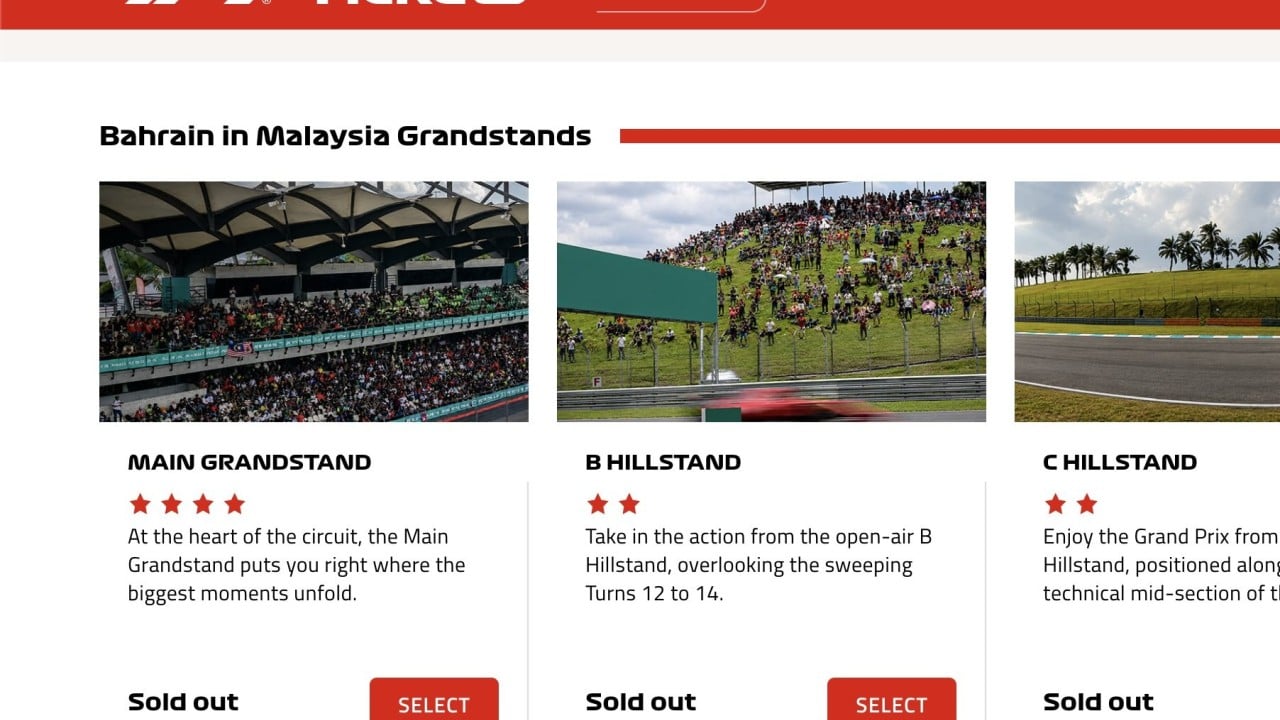
Every single sports media outlet is reading from the exact same tired script. Fans scream on social media about digital queues crashing, servers melting, and checkout errors during the latest Malaysian Formula 1 ticket release. Organizers wave away the anger with a convenient, automated shrug about unprecedented digital traffic. Everyone walks away nodding, blaming the software, blaming the infrastructure, blaming bad luck.
It is a complete smokescreen.
The software did not fail. The ticketing platform did not buckle under an unexpected flood of petrol-soaked enthusiasts. The system performed precisely the way it was architected to perform. When thousands of people slam into a digital wall and bounce off while a chosen few slide through, that is not a technical glitch. That is a design choice.
I have watched promoters hide behind server loads for a decade. I have seen multi-million dollar motorsport events treat ticket scarcity as a marketing budget line item rather than an operational failure. When you accept the narrative that high traffic caused the meltdown, you let the promoters off the hook. You swallow the lazy consensus. Let us tear that consensus apart.
The Myth of Accidental Overload
Let us look at how ticketing architecture actually functions behind closed doors. Modern cloud infrastructure scales dynamically. If a platform wants to handle fifty thousand concurrent users without breaking a sweat, cloud providers can spin up elastic compute instances in seconds. Compute power is cheap. Bandwidth is a commodity.
When a major sporting event claims that high traffic overwhelmed their servers, ask yourself a simple question. Why do banking apps, massive retail drops, and major concert sales manage to process hundreds of thousands of transactions per minute without dropping connections, yet a regional motorsport ticket portal craters the moment a few thousand eager fans show up?
They do not crash because they lack the money for better servers. They throttle access intentionally.
Artificial friction creates perceived value. If tickets to an event sit on a screen for forty-five minutes while everyone calmly selects their preferred grandstand seat, the event looks ordinary. It looks accessible. But when a digital queue surges to fifty thousand people deep, when error screens flash red, and when inventory vanishes in ninety seconds flat, something psychological shifts in the consumer. Desperation replaces rational evaluation.
Organizers love the outrage. Outrage means engagement. Engagement means free marketing. Every angry tweet complaining about a failed checkout process is organic reach that the circuit marketing department could never afford to buy. By framing the disaster as a technical triumph of overwhelming popularity, promoters turn a logistical failure into a status symbol.
The Anatomy of a Scaled Bottleneck
Let us dismantle the logistics of major ticketing operations. When tickets go on sale for a high-profile race weekend, the inventory does not sit in a single digital bucket waiting for honest buyers.
A massive chunk of the best seats never touches the public queue. Corporate hospitality partners, tourism boards, VIP travel agencies, and official sponsors absorb the primary inventory before the public countdown clock even hits zero. What trickles down to the official website is a fraction of the actual seating capacity.
Imagine a scenario where a grandstand holds ten thousand seats. Three thousand go to corporate partners. Two thousand go to travel package bundles with hotel markups. Another two thousand are earmarked for regional tourism initiatives. That leaves three thousand seats for the actual fans hammering their refresh buttons at noon.
When fifty thousand real people chase three thousand tickets, the queue does not move. The system stalls because the inventory does not exist. The server is not processing purchases; it is desperately trying to reconcile empty database queries against an illusion of supply.
Promoters point to the massive volume of unique visitors as proof of roaring demand. They use that traffic metric in pitch decks for next year's corporate sponsors. Look at how many eyeballs we captured, they say. Look at the digital footfall. They monetize the frustration of the average fan to extract higher sponsorship fees from brands that want to be associated with an impossible-to-get ticket.
Why Resellers Never See the Queue
If the system is so overwhelmed, explain why secondary marketplaces are flooded with prime grandstand seats within ten minutes of the public sale closing.
If you are a genuine fan trying to secure a weekend pass for yourself and a friend, you hit a wall of rotating captchas and spinning loading icons. Yet, automated scraping scripts and professional broker syndicates bypass those exact same barriers effortlessly.
They use specialized API endpoints, proxy networks, and pre-authenticated sessions that ignore the consumer-facing queue entirely. The public queue is a decoy. It distracts the audience while the real inventory flows smoothly through institutional backchannels into the hands of speculative brokers.
When Malaysian fans vent their fury over the sales process, their anger is entirely justified, but it is aimed at the wrong target. They are yelling at customer service representatives and tech support teams who are just reading from a corporate script. The real architects of this frustration are sitting in air-conditioned boardrooms, calculating the exact threshold of public rage they can tolerate before it hurts renewal rates.
The Alternative Nobody Wants to Implement
Fixing ticketing is not a matter of buying better servers or hiring a more expensive software vendor. Fixing ticketing requires an existential shift in how events value their audience.
If promoters actually wanted a fair distribution model, they would implement mandatory verified identity systems tied to non-transferable digital passes. They would ban speculative reselling by law and require face-value return pools managed directly by the venue.
Why don't they do it? Because it eliminates pricing elasticity. It removes the speculative frenzy. It forces events to rely purely on the merit of the racing spectacle rather than the artificial adrenaline of an impossible hunt.
As long as fans accept high traffic as an acceptable excuse for exclusion, nothing will change. The next race will launch its tickets, the servers will supposedly buckle, the forums will explode with righteous fury, and the promoters will quietly cash the checks from brokers and corporate partners who never had to stare at a spinning loading wheel.
Stop buying into the traffic excuse. Demand transparency on inventory allocation. Until fans refuse to play a rigged game, the house will always win the session.