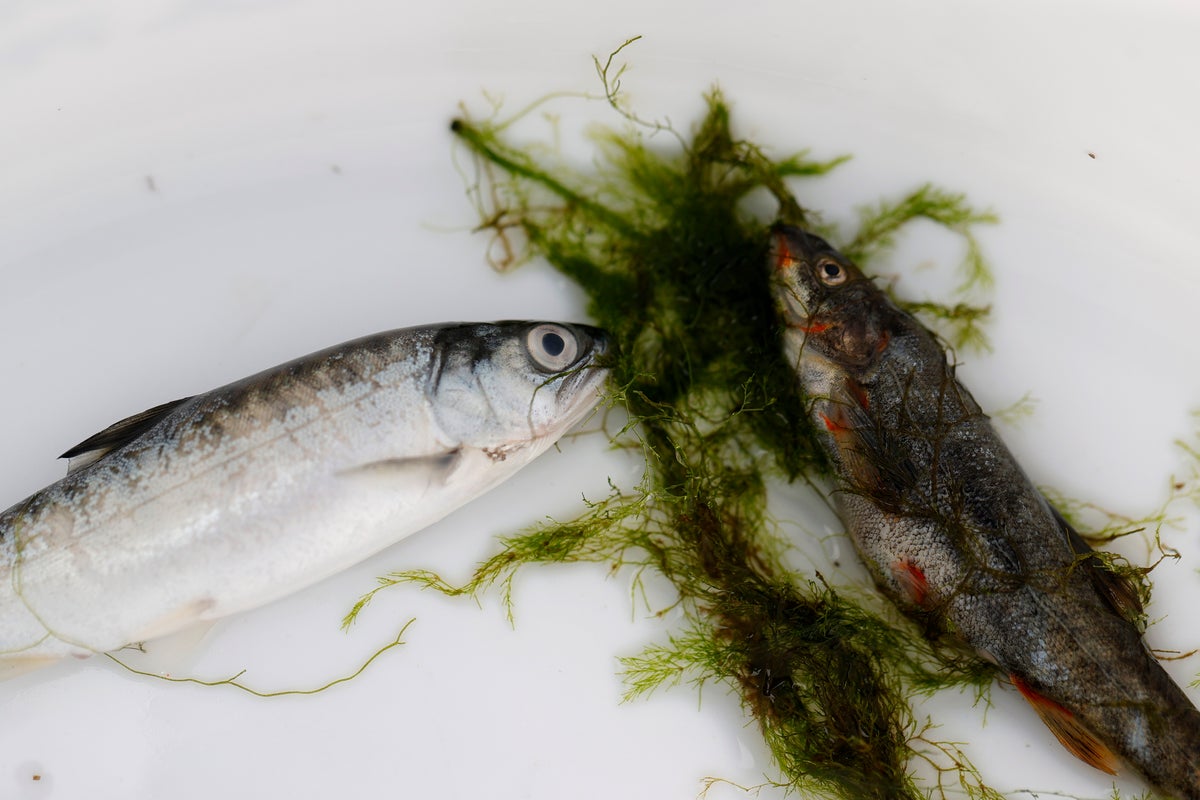
Mainstream environmental reporting loves a monster movie script. A microscopic killer, Ceratonova shasta, is supposedly "taking over" the Klamath River across the California and Oregon border, single-handedly wiping out juvenile Chinook salmon. The narrative is neat, tidy, and completely wrong.
By focusing entirely on the parasite, the current media coverage misses the entire point of river ecology. Ceratonova shasta is not an invading alien force. It is a native organism that has coexisted with salmon for thousands of years. The parasite is not the crisis. The parasite is the symptom of an engineered plumbing system that turned a dynamic river into a stagnant ditch.
If you want to save the salmon, stop staring through a microscope at the parasite. Look at the concrete infrastructure and the mismanaged flow schedules that created its perfect breeding ground.
The Lazy Consensus on Ceratonova Shasta
Local news outlets and standard eco-blogs treat the current salmon die-off as an unpredictable biological plague. They warn about rising spore counts and urge the public to wash their boots. This response is the equivalent of blaming a fever for making a patient sick, rather than the infection that caused it.
Here is how the biology actually works. The life cycle of C. shasta requires two hosts: the salmon and a tiny, freshwater polychaete worm called Manayunkia occidentalis. Under historical conditions, high winter floods scoured the river bottom. These floods tore up the fine sediment and dismantled the worm colonies. The salmon migrated through clean, fast-moving, cold water. The parasite existed, but it lacked the density to cause mass mortality.
We changed that math. Decades of dam operations stopped the natural flushing flows. Instead of a violent, cleansing rush of water every winter, the river received a metered, predictable trickle. The fine sediment settled. The polychaete worms built massive, permanent subterranean cities.
When you trap water behind giant concrete walls, it heats up. Warm water accelerates the replication of the parasite while simultaneously stressing the immune systems of the fish. You do not have a parasite problem. You have a habitat degradation problem.
Dismantling the Flow Myth
The standard bureaucratic solution to this issue is to release a small "pulse flow" from upstream dams to wash away the spores during peak migration. It sounds logical. It looks good in a press release. In practice, it is a band-aid on a broken bone.
I have spent years analyzing hydrological data and regulatory responses to fish kills. Time and again, agencies deploy these minor water releases only to find that spore counts barely dip. Why? Because a minor increase in water volume does not create the shear stress required to mobilize the riverbed and dislodge the host worms. It merely creates a lukewarm bath that spreads the spores further downstream.
Imagine trying to clean a mud-caked driveway with a leaking garden hose instead of a pressure washer. You aren't removing the dirt; you are just making a bigger puddle.
The Yurok and Karuk tribes have pointed out for decades that the river needs sustained, mimicking natural flow regimes—not highly calculated, minimal drops of water negotiated by agricultural interests and federal lawyers. Yet, the public is led to believe that the parasite is simply outsmarting our best efforts.
The Hidden Cost of River Restoration Ideology
Here is the inconvenient truth that mainstream conservation groups hate to admit: the massive, highly publicized removal of the four Klamath River dams might actually make the parasite problem worse in the short term.
Do not misunderstand the argument. Removing those dams is vital for the long-term survival of the basin. But the immediate aftermath involves releasing millions of cubic yards of accumulated sediment directly into the river channel.
What happens when you dump massive amounts of fine sediment into a river with compromised flows? You create an absolute paradise for the host worm Manayunkia occidentalis.
Restoration advocates promised a swift, pristine recovery. The reality will be a muddy, chaotic transition period where parasite populations could skyrocket before they stabilize. We must accept this downside if we want true restoration, but the current media coverage refuses to prime the public for this ugly middle phase. They prefer the fairy tale where removing concrete instantly cures the biology.
The Flawed Questions Everyone Is Asking
If you look at the queries dominating search engines regarding this crisis, the lack of systemic thinking is glaring.
Can we treat the river with chemicals to kill the parasite?
This is a dangerously naive question. Any chemical agent capable of eradicating a native myxozoan parasite would instantly destroy the macroinvertebrate base of the entire river ecosystem. You would kill the parasite by killing the river itself. The solution is not chemical intervention; it is physical disruption of the habitat through dynamic hydrology.
Are hatchery fish more vulnerable than wild fish?
Yes, but not for the reasons people think. It is not just about genetics. Hatchery fish are released in massive, dense pulses. When you dump hundreds of thousands of stressed, uniform juveniles into a river section already saturated with C. shasta spores, you create a biological amplifier. The hatchery practices themselves act as a super-spreader event, fueling the very epidemic the hatcheries were built to mitigate.
How to Actually Fix the Klamath
We need to stop managing the Klamath River like an industrial aqueduct and start treating it like a volatile geological feature.
- Implement High-Velocity Flushing Flows: Stop hoarding water for low-value crops during critical winter periods. The river requires high-volume, high-velocity events that physically alter the gravel beds, even if it hurts seasonal water storage metrics.
- Force Real-Time Hatchery Adaptation: Cease the practice of calendar-based fish releases. If monitoring shows high spore densities or elevated water temperatures, hatchery releases must be delayed or trucked past the toxic zones, regardless of bureaucratic scheduling.
- Acknowledge the Silt Reality: Prepare for a volatile decade post-dam removal. Monitor the worm populations, not just the fish, to understand where the new danger zones are forming in the shifting sediment.
Stop buying into the narrative of the helpless fish and the evil microbe. The parasite is just doing what biology does when humans stack the deck in its favor. Turn off the news reports lamenting the "deadly outbreak" and start demanding the structural, systemic overhauls of water rights and flow management that the Klamath actually needs to heal.