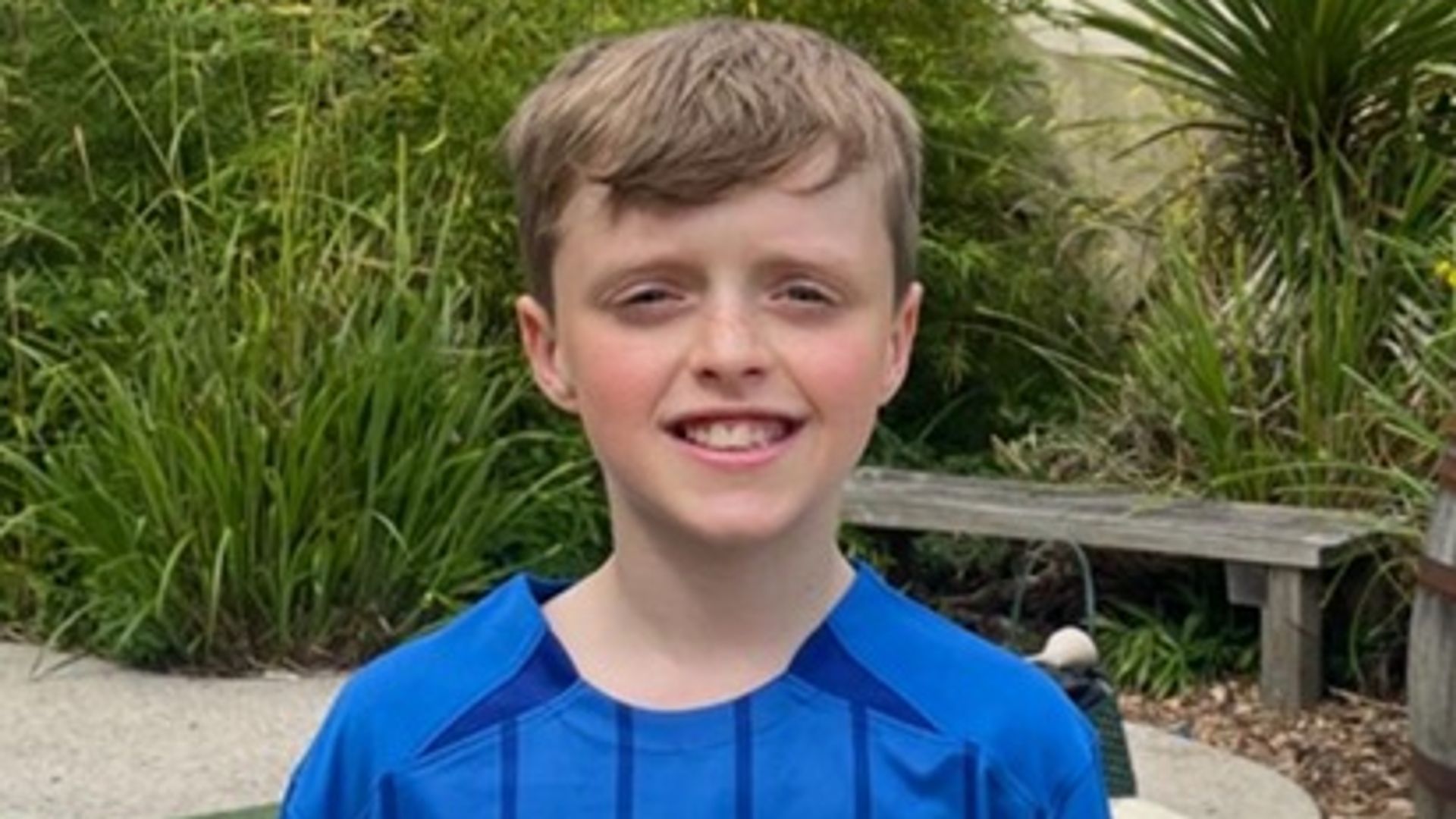
Another fourteen-year-old child is dead. Another community is drowning in floral tributes, tear-stained press conferences, and hollow calls for justice against a bus driver who was simply doing a job inside a multi-ton machine designed for a different century. The standard playbook rolls out like clockwork. Headlines scream about tragedy. Pundits demand tighter oversight on transit operators. Everyone acts like this catastrophe was an unpredictable act of god or the result of a single momentary lapse in judgment.
It is a lie. And we keep burying children while we protect the architects of these traffic slaughterhouses.
Let us drop the polite fiction that pedestrian safety campaigns are working. They are not. They are moral pacifiers designed to shift the burden of survival onto the shoulders of children while municipal planners dodge accountability.
The Lazy Consensus of Individual Blame
Every time a pedestrian gets crushed by heavy transit on an urban thoroughfare, the public discourse follows a predictable, cowardly script. We scrutinize the driver's reaction time. We check if they were fatigued. We wring our hands over pedestrian distraction and mobile phone use among teenagers.
This framing treats a systemic infrastructure failure as a series of isolated moral failings.
I have spent two decades analyzing municipal mobility projects and transit routing. I have seen cities blow millions on reactive safety theater—blinking yellow lights, ineffective signage, and patronizing public service announcements telling kids to look both ways. Meanwhile, the actual geometry of the street remains hostile by design.
When you build a six-lane arterial road straight through a dense residential neighborhood with zero physical separation, zero raised crossings, and signal timings optimized strictly for vehicular throughput rather than human life, you have built a kill zone. Pinning the blame on a bus driver or a distracted teenager is an evasion of responsibility. The machine worked exactly how the engineers coded the asphalt to make it work.
The Physics They Refuse to Acknowledge
Let us talk about kinetic energy and urban physics. A standard transit bus weighs roughly thirty to forty thousand pounds unloaded. When you accelerate that mass down a corridor packed with schools, housing estates, and foot traffic, you introduce an asymmetrical hazard that demands absolute perfection from both the operator and the environment.
Human beings make mistakes. Fourteen-year-old boys miscalculate gaps, get distracted by conversations, run for a bus, or misjudge braking distances. That is not a criminal offense; it is the biological reality of being a teenager.
Expecting flawless human performance in an inherently flawed physical environment is a structural guarantee of future casualties.
Urban planners love to hide behind guidelines that prioritize traffic flow over human survivability. They design turning radiuses wide enough to let buses barrel through corners at twenty miles per hour without slowing down. They place bus stops on high-speed arterials rather than protected bays. They treat pedestrian infrastructure as an afterthought—a painted stripe on gray concrete that offers zero physical protection against a wall of steel.
Traditional Street Design:
[Sidewalk] ---> (Painted Stripe) ---> [6-Lane High-Speed Arterial Bus Route] (Zero Physical Protection)

Modern Safe Street Design:
[Sidewalk] ---> [Raised Curb / Bollards] ---> [Protected Transit Lane] ---> [Choked Speed Arterial]
Notice the difference? One relies on paint and hope. The other relies on physics and architecture.
Dismantling the Safe Systems Myth
Politicians love to stand at podiums and declare their commitment to Vision Zero initiatives. They launch committees, commission expensive reports, and set targets for future decades while resisting the immediate, aggressive changes required right now.
Real safety is not about education campaigns. It is about friction. It is about making it physically impossible for heavy vehicles to travel at speeds that turn collisions into fatalities.
If a street allows a vehicle to strike a pedestrian at thirty miles per hour, the pedestrian mortality rate sits near eighty percent. Drop that speed to twenty miles per hour, and the survival rate flips dramatically. Yet cities consistently prioritize shaving ninety seconds off a bus commute over ensuring that every child makes it home for dinner.
We do not need another memorial. We do not need another candlelight vigil where local leaders promise to look into the issue. We need a fundamental rebellion against the way our cities are engineered.
Stop asking transit drivers to perform miracles inside moving fortresses on roads designed for speedway racing. Strip away the extra lanes. Narrow the turning radiuses. Raise the crosswalks to sidewalk level so that cars and buses are forced to climb over a physical barrier, shifting the vulnerability back where it belongs—onto the machine, not the human body.
Until we stop treating public transit routing as sacred and start treating human survival as non-negotiable, the flowers will keep piling up at the corner.
Tear up the asphalt. Redesign the grid. Or stop pretending you care when the next child dies.