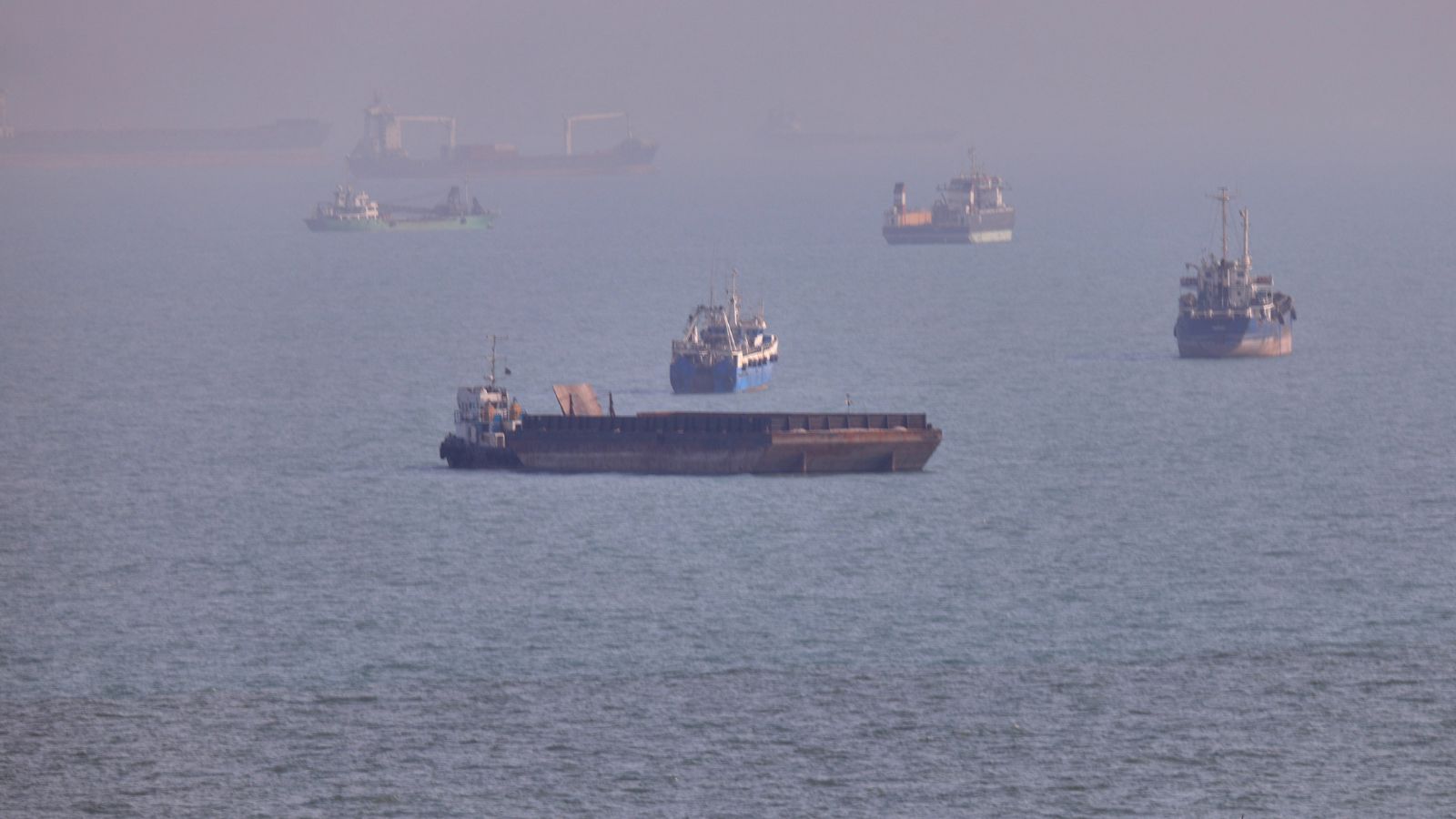
Every time two commercial steel hulls trade paint and sink into the currents of the Bosporus, the public gets the exact same script.
The media blames heavy fog. Regulators point to poor visibility. Coastal authorities throw their hands up and talk about acts of God, narrow shipping lanes, and the sheer volume of maritime traffic bottlenecked between two continents. It is a comforting narrative. It places the blame on nature, meaning nobody has to change how they do business.
It is also complete nonsense.
I spent over a decade watching dispatchers, port captains, and shipowners treat the Turkish Straits like a congested highway at rush hour, hoping for the best while cutting every operational corner imaginable. When a collision happens off Istanbul, the weather didn't cause it. Human arrogance, institutional blindness, and commercial pressure caused it. Fog just provided the cover.
The Fatal Flaw Of The Pilotage Myth
The lazy consensus in maritime circles is that mandatory or advisory pilotage solves the Bosporus problem. Put a local pilot on board who knows every eddy of the current, and safety is guaranteed.
Except it is not.
I've watched million-dollar vessels steam through heavy traffic with local pilots aboard while the bridge team and the pilot were staring at mobile phones or arguing in broken English over coffee. Pilotage is not a magical forcefield against kinetic disaster. It is a bureaucratic checkbox.
The structural flaw in how we govern the Bosporus is that we treat traffic management as a static system. We assume that if a ship follows the designated separation scheme, disaster will stay away. That ignores the reality of hydrodynamic interaction in confined waters. When a massive container ship and a dry bulk carrier pass each other at close quarters in a narrow channel, Bernoulli's principle takes over. The ships pull toward each other. If the bridge crew lacks the situational awareness to counteract that suction—or if they are relying entirely on an overworked pilot who has handled four ships back-to-back with zero sleep—no amount of radar tracking prevents a collision.
We do not have a geography problem in Istanbul. We have an incentive problem.
Why The Traffic Volume Argument Fails
Look at any report following a major incident in the strait, and you will see statistics on how many tens of thousands of vessels pass through the corridor annually. The implication is obvious: too many ships, too little space.
This argument collapses under basic scrutiny. The Strait of Malacca handles significantly more tonnage and traffic density than the Bosporus annually, yet its collision rates per transit are lower. The English Channel manages massive, complex ferry and container routes without descending into a demolition derby every time the weather turns damp.
The difference isn't the number of ships. It is the enforcement of accountability.
In Istanbul, commercial pressure dictates speed. Charterers demand tight turnarounds. Shipowners push masters to maintain schedule integrity regardless of visibility or current conditions. If a captain slows down to a safe speed in restricted visibility, they risk financial penalties or losing their berth. The system rewards speed and penalizes caution. Until we attach severe criminal and financial liabilities to the shore-side management companies who pressure crews into unsafe transits, ships will keep colliding.
Blaming the captain who lost their vessel in the fog is the oldest trick in the shipping industry's playbook. It lets the office executives who forced them into the strait off the hook.
The Real Fix Nobody Wants To Implement
If we want to stop scraping wreckage off the bottom of the Marmara Sea, we have to throw out the current playbook.
First, implement hard, non-negotiable speed caps tied directly to real-time current telemetry and visibility sensors, enforced via mandatory digital remote monitoring from shore. If a vessel exceeds the safety threshold for the current sea state, the management company should face immediate, prohibitive fines that dwarf the cost of a delayed voyage.
Second, dismantle the outdated pilotage exemption certificates that allow local captains to skip taking a regional pilot. Familiarity breeds complacency. A captain who transits the Bosporus every week is statistically more likely to take a fatal shortcut than a stranger who is terrified of the channel and respects its power.
Third, mandate continuous bridge resource management audits. Most collisions do not happen because someone didn't see the other ship on radar. They happen because the third officer saw it, assumed the captain knew, the captain was looking at paperwork, and nobody communicated until it was too late.
The next time two vessels collide off the coast of Istanbul and the headlines scream about low visibility, remember what actually happened. The weather didn't steer those ships into each other. Greed did.