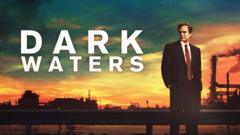
Hollywood loves a good apocalypse. Especially when it features an A-list cast sweating beautifully through a climate disaster, screaming at politicians, and racing against a ticking clock. The entertainment industry regularly pats itself on the back for these "gripping, star-studded environmental thrillers," claiming they raise awareness and spark vital conversations.
They don't. In fact, they do the exact opposite.
These multi-million-dollar cinematic guilt trips are actively sabotaging actual environmental progress. By turning a slow-moving, systemic, bureaucratic crisis into an explosive narrative of heroes and villains, the entertainment industry feeds audiences a comforting lie. They transform a collective structural challenge into a spectator sport.
The Illusion of Awareness
The lazy consensus among film critics and studio executives is that dramatizing climate change builds public will. The logic seems straightforward: make people afraid, show them the worst-case scenario, and they will demand change.
This premise is completely flawed. Psychologists and communication researchers have known for decades that fear-inducing, catastrophic framing leads to apathy, not action. When people are confronted with overwhelming, apocalyptic imagery paired with a hopeless timeline, the human brain doesn't mobilize. It shuts down. A study published by researchers at the University of Bristol highlighted that doom-laden environmental messaging frequently triggers denial, fatalism, and a sense of total powerlessness.
When you watch a star-studded thriller about the end of the world, you aren't being educated. You are being emotionally wrung out. Once the credits roll, the overwhelming feeling isn't "I need to call my local representative." It is "We are completely doomed, so I might as well enjoy the ride." The movie serves as an emotional pressure valve. It allows the audience to feel a fleeting burst of righteous anger, which they mistake for political engagement.
The Myth of the Hollywood Hero
Every narrative thriller requires a protagonist to anchor the story. In environmental cinema, this usually means a brilliant, rogue scientist whom nobody listens to, or a gritty journalist uncovering a corporate conspiracy.
Imagine a scenario where the climate crisis could actually be solved by one brave individual exposing a single bad actor. It is a comforting thought. It is also completely detached from reality.
The real fight against environmental degradation is agonizingly boring. It happens in windowless rooms during municipal zoning meetings. It involves rewriting maritime logistics regulations, restructuring municipal waste management contracts, and tweaking the tax code to favor high-density housing. It is about fixing the dull, invisible infrastructure of modern life.
Hollywood cannot film a zoning board meeting. There is no dramatic tension in upgrading the electrical grid capacity of a mid-sized Midwestern city. So instead, filmmakers invent a mustache-twirling villain—a corrupt oil executive or a mad scientist—and give the audience a clear target to hate.
This creates a dangerous misdirection. By framing the problem as a battle against evil individuals, these films obscure the reality that the crisis is driven by systemic, collective consumer demand and deeply embedded economic structures. We are trapped in an infrastructure of carbon dependence, not a comic-book plot.
High Carbon Footprints for Low Cultural Returns
The hypocrisy behind the scenes of these productions is staggering. Having spent years working adjacent to major studio productions, I have watched crews fly across continents to capture the perfect shot of a pristine, threatened ecosystem. The sheer volume of diesel generators, private idling trailers, international flights, and single-use waste generated by a blockbuster film shoot is immense.
While a few elite actors stand on red carpets lecturing the public about carbon footprints, the productions that employ them are burning through resources to create a product that ultimately promotes defeatism. Studios attempt to offset this by buying carbon credits—a broken market riddled with accounting errors and unverified projects—to label their film "carbon neutral." It is theater masking as substance.
The Entertainment Value Trap
Let's address the fundamental conflict of the genre: these films must entertain to survive. A thriller must have pacing, suspense, and a satisfying climax.
But real-world environmental challenges do not operate on a three-act structure. There is no clean resolution. If a film accurately reflected the timeline of soil degradation or ocean acidification, the audience would walk out from sheer exhaustion. To keep people in their seats, filmmakers escalate the timeline. They turn a century-long shift into a three-day superstorm.
This skews public expectation. When the real-world effects of climate change manifest as incremental shifts—a slightly earlier spring, a gradual rise in baseline insurance premiums, a slow shift in agricultural zones—the public ignores them because they don't look like the movies. We have been conditioned to look for the cinematic explosion, rendering us blind to the actual, quiet decay happening around us.
Stop Watching the Apocalypse and Fix the Grid
If you want to actually contribute to a sustainable future, close the streaming apps. Stop looking for salvation in the cultural zeitgeist.
Instead of consuming doom-art, focus on the unglamorous mechanics of local policy. Find out where your city gets its electricity. Show up to a city council meeting and advocate for protected bike lanes or transit-oriented development. Support investments in nuclear energy and geothermal infrastructure, even if they don't make for a thrilling plotline starring an Oscar winner.
The downside to this approach is obvious: it is tedious. It requires patience, attention to detail, and a tolerance for bureaucratic gridlock. It offers no cinematic payoff, no sweeping orchestral score, and no heroic monologue. But it is the only thing that actually works.
Hollywood will keep churning out star-studded disasters because panic sells tickets. But don't confuse your entertainment with activism. The revolution won't be a blockbuster thrill ride; it will be a boring, technical rewrite of the building code.