The discovery of an elderly woman's remains stuffed inside a black bin bag within the walled garden of Liverpool's Stanley Park lays bare a chilling reality about urban anonymity. Merseyside Police launched a full-scale murder inquiry after a member of the public stumbled upon the grim scene. Yet, beneath the immediate shock of a homicide investigation lies an even more disturbing puzzle. Detectives believe the body rested in one of the city's most frequented public green spaces for weeks without drawing notice. Thousands of dog walkers, families, and football fans traverse the acreage dividing Anfield and Goodison Park. Nobody saw anything. Or if they did, nobody thought it mattered.
Weeks passed. The summer heat rose and fell over the park's manicured lawns and hidden corners. Somewhere in that stretch, a human life ended violently, and a body was discarded like household refuse.
The Anatomy of an Urban Blind Spot
Crime scenes do not exist in vacuums. They happen where visibility and neglect intersect. Stanley Park is a masterclass in this architectural paradox. Designed by Edward Kemp in the nineteenth century, it features grand vistas, ornate shelters, and the historic Isla Gladstone Conservatory. But it also contains sequestered pockets, dense foliage, and walled enclosures designed to offer seclusion.
The walled garden, where the remains were recovered, provides a natural barrier against prying eyes. When a perpetrator chooses such a location, they gamble on human habits. People walking through parks look forward, look at their phones, or watch their dogs. They do not peer into black plastic bags tucked into shrubbery. They assume municipal waste management will handle stray litter. That normalization of urban decay creates a shield for criminality.
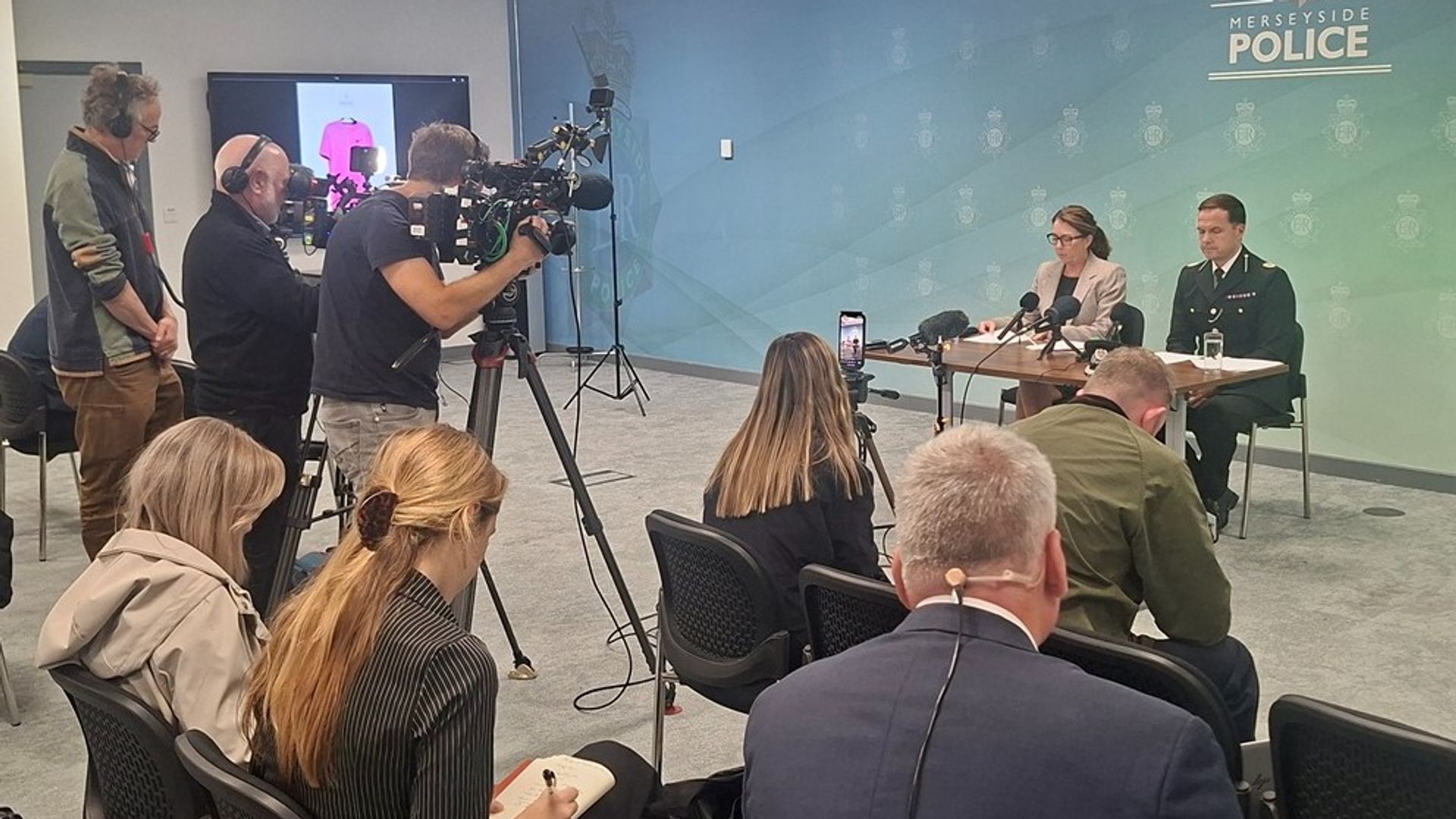
Investigators face a formidable wall of silence. Detective Superintendent Rachel Wilson noted during a press briefing that missing person databases across the region have yielded no matches. This absence of a baseline identity points toward a profound societal fracture.
Profiling the Unseen Victim
The victim remains nameless. Law enforcement has released sparse physical markers in the hope of jogging collective memory. She is white, estimated to be in her seventies, roughly five feet two inches tall, and of small build with distinctive strawberry-blonde hair. Most notably, she wore a pink Nike t-shirt.
That garment is now the focal point of a desperate reverse-engineering of her final days. A woman in her seventies wearing athletic apparel suggests a certain mobility or casual lifestyle, yet her disappearance triggered no alarm bells loud enough to reach local authorities.
This introduces the grim statistical reality of isolated elders living in modern British cities. Many slip through the cracks of community consciousness. Neighbors assume relatives are caring for them; relatives assume they are keeping to themselves. When an older adult dies—or is murdered—and weeks evaporate before anyone notes their absence, it indicts the social fabric surrounding them.
The Forensic Hurdle
Post-mortem examinations occurred, but Merseyside Police withheld the primary medical findings, citing operational imperatives. That suppression indicates investigators hold tightly to specific cause-of-death markers, likely to test the veracity of future witness statements or confessions.
Recovering DNA and forensic traces from a body exposed to outdoor elements for multiple weeks presents an uphill battle for forensic pathologists. Weather fluctuations, moisture within a sealed plastic barrier, and scavenger activity degrade biological evidence rapidly. Investigators must rely heavily on digital footprints, closed-circuit television harvesting from the perimeter roads, and dashcam footage captured by motorists navigating the congested streets between Anfield and Walton.
Yet, perimeter cameras only capture movement to and from the park boundaries. Moving a dead body into a sprawling Victorian park without drawing attention requires either stealth, audacity, or timing that exploits the ebb and flow of commuter traffic.
The Burden on the Community
A mobile police station now sits inside Stanley Park. Uniformed officers patrol paths normally walked by tourists visiting the neighboring football grounds. The juxtaposition of a major homicide investigation against the backdrop of everyday leisure creates an eerie atmosphere for local residents.
Appeals for information rely on the premise that someone noticed an out-of-place item weeks ago and dismissed it. Human psychology heavily favors normalization. Confronted with an anomaly, the brain invents rational explanations. A bin bag left by maintenance workers. Refuse blown by the wind. People edit out the uncomfortable until reality forces itself into view.
Detectives are asking residents within the Anfield and Walton catchments to check on neighbors they have not seen since early summer. They are asking people to rethink every casual glance cast toward the park's overgrown boundaries during the warmest weeks of the year.
The answers, if they exist, rest within the minds of people who walked past that walled garden and kept moving. The investigation grinds forward, locked in a race to restore an identity to a woman who was treated like trash, left in the open air of a bustling city, and ignored until the final, decomposing truth could no longer be hidden.