The morning air smells like wet asphalt and fallen leaves.
It is 7:45 on a Tuesday in October. A delivery courier on an electric bicycle weaves through the downtown gridlock, threading the needle between a idling transit bus and a row of parked sedans. He is wearing a faded canvas jacket, wireless earbuds tucked deep into his ears, and moving at thirty-five kilometers per hour. To the pedestrians waiting for the walk signal, he is a blur. A brief hum of a brushless electric motor. Then, gone.
Multiply that blur by thousands.
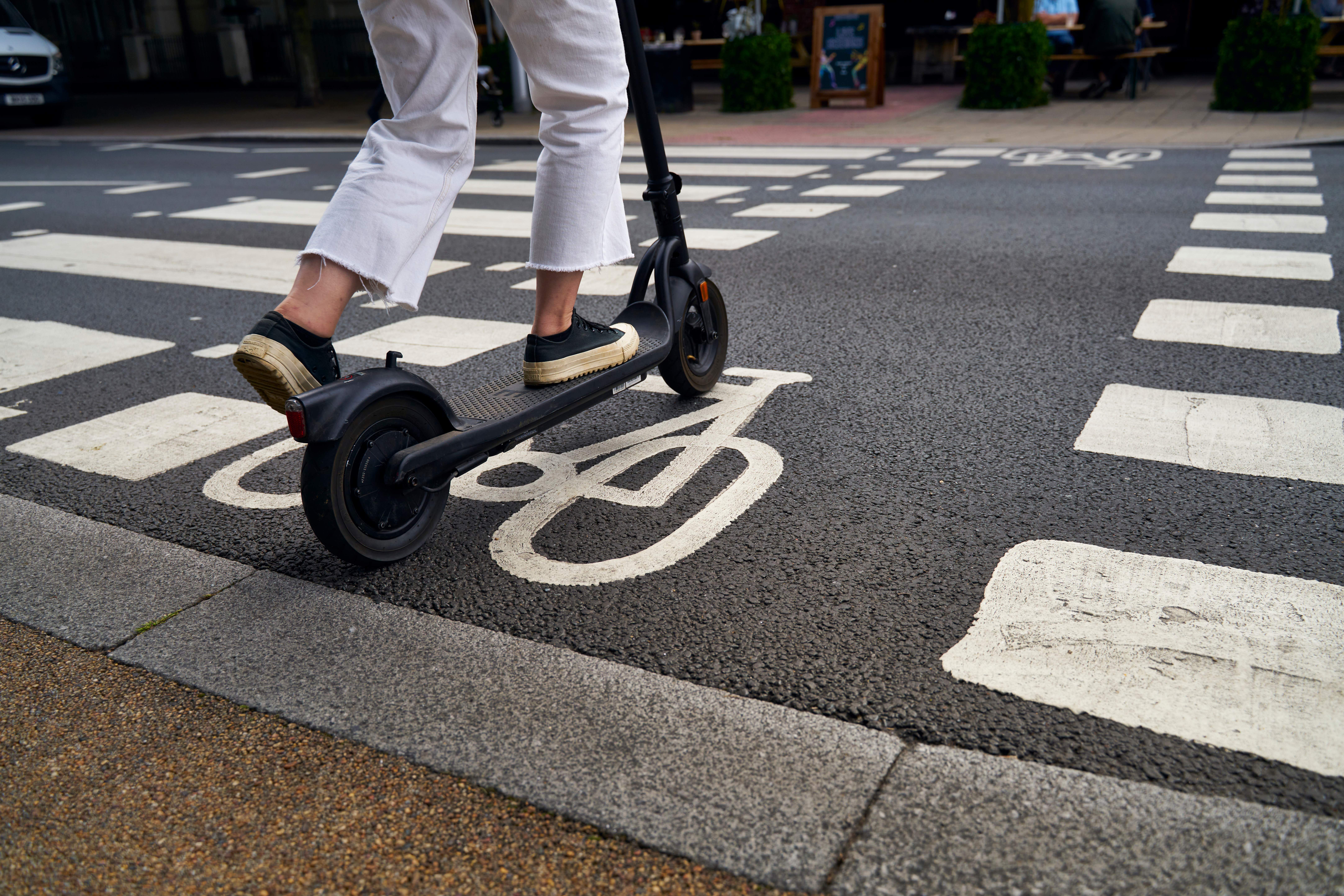
Across Canadian cities, the streets have changed. They changed quietly, almost overnight, paved over by a silent fleet of lithium-ion commuters. Electric scooters sit docked on street corners like neon-colored beetles, waiting for a tap on a smartphone screen. Electric bicycles climb steep hills with effortless grace, carrying tired office workers and university students home without a drop of sweat.
Convenience is a powerful narcotic. We bought into it immediately.
But speed without friction has a cost. Last year, ten young lives in Canada were cut short in accidents involving e-scooters and e-bikes. Ten individuals with unfinished term papers, inside jokes, grocery lists left on the kitchen counter, and parents waiting for a text message that never arrived.
Data sheets call them statistics. Emergency room triage nurses call them a wave.
Consider what happens next: the physics of the crash.
Most people do not realize how deceptively heavy these machines are. A traditional bicycle relies entirely on the fragile engine of human legs, rarely cruising much past twenty kilometers per hour unless screaming down a steep decline. An e-bike carries a heavy battery pack and a motorized hub, easily tipping the scales at thirty kilograms or more. When you combine that dead weight with unexpected velocity, the momentum changes entirely.
Picture a hypothetical nineteen-year-old university student named Liam. Let us call him a composite of the reports filling municipal desks this year. Liam is late for a nine o'clock lecture. He grabs an electric scooter parked outside his apartment building. He has ridden them dozens of times. It feels like riding a bicycle, except easier. Except faster.
He hits a patch of wet autumn leaves hidden over a pothole on the edge of the bike lane.
There is no time to brace. On a traditional scooter, your center of gravity is low, and your speed is self-regulated. On an electric model, the throttle responds instantly to a thumb twitch, and the small, rigid wheels are violently unforgiving of any surface irregularity. The scooter stops instantly. Liam does not.
That is the hidden trap of micro-mobility. We treat them like toys, but they operate with the mechanical reality of motor vehicles.
Municipal councils are scrambling. They draw chalk lines, pass emergency bylaws, and debate age restrictions while the hardware outpaces the ink on the paper. Some cities ban e-scooters from sidewalks. Others restrict speeds to twenty kilometers per hour. Yet enforcement is nearly impossible. How do you police a thousand silent riders slipping down residential side streets at dusk?
The danger is not the technology itself. The danger is our collective underestimation of it.
We built our cities for cars and pedestrians, drawing a bright, clear line between the two. Pedestrians belonged on the concrete paths; cars belonged on the asphalt. Now, that boundary has dissolved. We have introduced a mid-weight, high-speed tier of transport that fits nowhere comfortably. They are too fast for the sidewalk, too vulnerable for the highway, and too often sharing narrow painted lanes with transport trucks weighing twenty tons.
Look closer at the numbers behind the headlines. The victims are disproportionately young. Teenagers and young adults navigating early morning commutes, late-night returns from study groups, or weekend outings. Brain injuries dominate the trauma reports. Concussions that linger for months, altering moods and focus. And, in the worst instances, fatal trauma that shatters families in a single, unrecorded second.
Helmets are often left hanging on handlebars or forgotten entirely in the rush of urban life. A cultural norm has formed around micro-mobility that views protective gear as uncool, cumbersome, or unnecessary for a quick five-minute trip. We would never dream of jumping onto a motorcycle without a helmet, yet we routinely hurtle down concrete corridors at highway speeds on a deck of aluminum with zero head protection.
We are sleepwalking into a safety crisis disguised as modern progress.
The solution does not lie in banning the future. Electric bikes and scooters represent a vital shift away from carbon-heavy urban transport. They reduce emissions, ease parking congestion, and give people freedom of movement who might not own a car. Eradicating them is neither realistic nor desirable.
Instead, the change must happen in our collective mindset.
We need to strip away the illusion that convenience excuses caution. Cities must accelerate the buildout of genuinely separated micro-mobility corridors—not just token paint on the side of a busy thoroughfare, but physical barriers that protect vulnerable riders from heavy traffic. Manufacturers must prioritize stability, better braking systems, and mandatory speed governors that cannot be easily bypassed.
And riders, young and old, must look at those handlebars with a newfound respect.
The delivery courier on the e-bike is still rushing through the downtown intersection. The autumn wind is picking up, swirling dry leaves across the crosswalk. The city hums around him, impatient, electric, and always moving forward.
The motor hums softly as he accelerates into the green light, leaning into the turn, trusting the ground beneath him to hold.