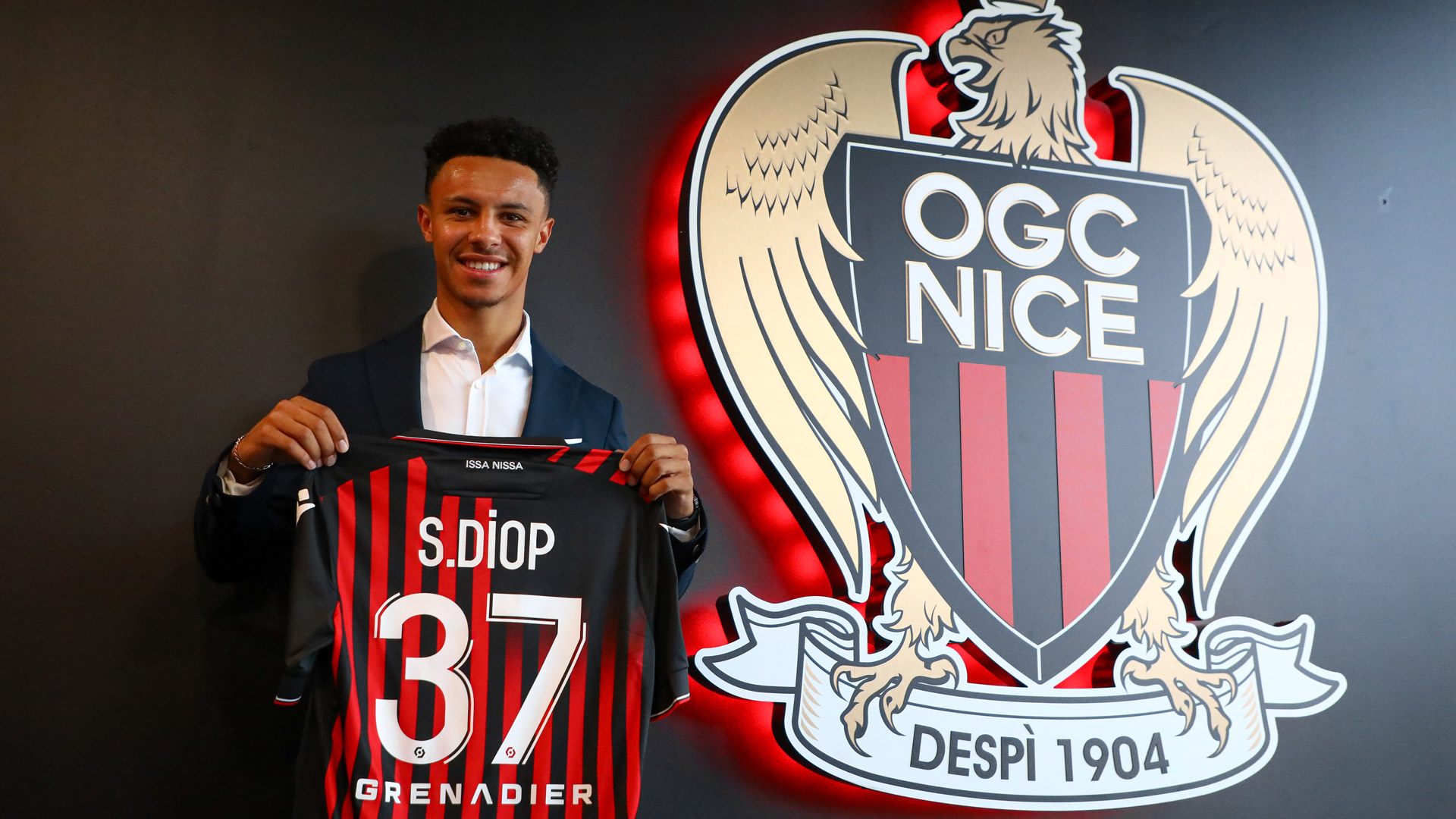
African football is currently eating itself alive. If you thought the chaotic 2025 Africa Cup of Nations (AFCON) final in Rabat was the peak of the drama, you haven't been paying attention to the fallout happening right now in 2026. The pitch-side protests and the legal warfare at the Court of Arbitration for Sport (CAS) are just the surface. Underneath it all sits a story of identity, national pride, and what many in Dakar are calling a cold-blooded betrayal: the debut of Sofiane Diop for the Moroccan national team.
For the uninitiated, the 2025 AFCON final was a disaster for sporting diplomacy. Senegal won on the pitch, 1-0 in extra time. Then, in a move that felt more like a boardroom heist than a refereeing error, CAF stripped Senegal of the title and handed it to Morocco on a 3-0 forfeiture silver platter. Why? Because the Senegalese players walked off the pitch for 14 minutes to protest a penalty call. Now, as the legal battle drags on in Lausanne, Sofiane Diop has finally stepped onto the pitch for the Atlas Lions, and the timing couldn't be more inflammatory.
A tug of war with no winners
Sofiane Diop isn't just another talented Ligue 1 winger. He’s a symbol. Born in France to a Senegalese father and a Moroccan mother, he was the crown jewel that both West and North African powerhouses desperately wanted. For years, the Senegal Football Federation (FSF) courted him. They saw him as the natural heir to the creative void that will eventually be left by the aging guard.
Instead, Diop chose Morocco.
It’s easy to look at this through the lens of "professional career moves." Morocco is a 2030 World Cup co-host. They have the flashiest facilities in Africa. They’re the darlings of FIFA. But in the streets of Dakar, this doesn't look like a career move; it looks like picking a side in an active war. By debuting for Morocco while the Moroccan federation is actively trying to keep Senegal's hard-earned AFCON trophy in a cabinet in Rabat, Diop has effectively walked into a family reunion wearing the rival’s colors.
The administrative scam of the century
To understand why the Diop debut hurts so much, you have to understand the sheer weight of the "administrative scam" Senegal president Abdoulaye Fall is currently fighting. We aren't talking about a simple VAR mistake. We're talking about a tournament result being overturned nearly two months after the final whistle.
- The Incident: Senegal players left the pitch in protest during the final minutes of regulation.
- The Return: They came back, Edouard Mendy saved the penalty, and Pape Gueye scored the winner in extra time.
- The Reversal: CAF ruled that the temporary walk-off constituted a "refusal to play," triggering a mandatory forfeiture.
The irony is thick enough to choke on. While Morocco celebrates a trophy they didn't win with goals, they're also celebrating the arrival of a player who could have been Senegal's future. It’s a double blow to the Senegalese ego. You don't just lose your title in a courtroom; you lose your best prospects to the very people who took it.
Why Diop's choice matters in 2026
Football in 2026 isn't just about 90 minutes on the grass. It's about soft power. Morocco has invested hundreds of millions into becoming the "superpower" of African football. They're aggressive in the diaspora market, locking down dual-national players like Brahim Diaz and now Sofiane Diop before their competitors can even get a meeting.
Senegal, meanwhile, relies on a "Teranga" spirit—a sense of brotherhood and organic loyalty. But "spirit" doesn't pay for world-class recovery centers or guarantee a 3-0 default win in a boardroom. Diop’s debut is the latest evidence that the balance of power has shifted. Morocco isn't just winning games; they're winning the bureaucracy and the recruitment war.
A rivalry that won't stay on the pitch
The relationship between these two nations used to be defined by trade and shared Sufi religious ties. That’s gone. Or at least, it’s under extreme duress. When the Senegalese government calls for an investigation into "suspected corruption" within CAF, they aren't just talking about referees. They’re talking about a perceived favoritism that makes players like Diop see Morocco as the only viable path for an ambitious African star.
Honestly, it’s hard to blame the kid for the politics, but you can’t ignore the optics. Diop made his debut in a friendly against Uganda, a relatively quiet affair. But the noise in the background was deafening. Every touch he took was a reminder to Senegalese fans of what was "stolen"—first the trophy, then the talent.
What happens next
The CAS ruling is expected within the next few months. Senegal is pushing for an expedited hearing because they want the trophy back before the next international cycle. They've even threatened to display the "disputed" trophy at their upcoming friendly against Peru at the Stade de France as a middle finger to the CAF ruling.
If you’re following this saga, don't expect a handshake anytime soon. The "Diop twist" has added a layer of personal resentment to a legal dispute. It’s no longer just about Article 82 of the CAF regulations; it’s about which nation owns the heart and soul of the diaspora.
If you want to stay ahead of the curve, keep a close eye on the CAS docket for the "Senegal v. CAF & FRMF" case. The outcome won't just decide where the 2025 trophy lives; it'll define the rules of engagement for African football for the next decade. For now, Morocco has the player and the trophy. Senegal has the rage and a very expensive team of lawyers.