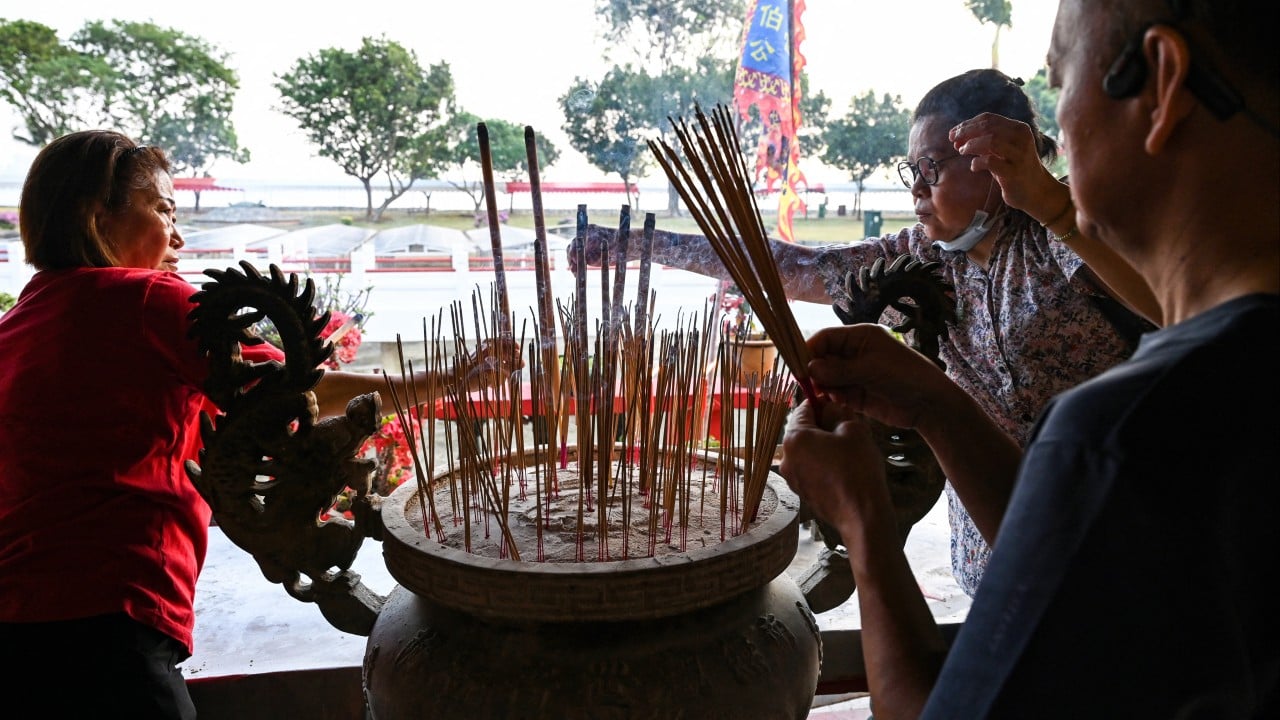
You’ve probably noticed it at dinner parties or family gatherings. Someone stops identifying as "Buddhist," "Christian," or "Taoist" and instead just says they don’t follow anything specific. It isn’t just a random anecdote. Recent data from the 2025 General Household Survey confirms a massive shift. Nearly one in four Singaporeans now identify with no religious affiliation.
This isn’t a small blip. It’s a trend that’s been building for over a decade. Back in 2010, the figure sat at 17%. By 2020, it hit 20%. Now, we’re looking at 23.9%. If you’re wondering if faith is dying, you’re looking at it the wrong way. It’s more likely that people are simply dropping the baggage of institutional labels.
The numbers behind the shift
The shift is undeniable across almost every demographic. Younger Singaporeans, especially those aged 15 to 24, are the most likely to walk away from traditional labels, with 26.8% reporting no religious affiliation. It’s a striking contrast to the 19.4% seen in the 55-and-above bracket.
Most religions in Singapore have seen a dip. Buddhists remain the largest group at 30.9%, but that share is down. Christians, Taoists, and Muslims have also seen their proportions decline. The only outlier? Hinduism, which actually nudged up from 5% to 5.4%.
Why does this happen? The education level doesn’t seem to be the sole driver, as the rise in non-religious affiliation is seen across all tiers of schooling. However, the drop is particularly visible among university graduates. For instance, the Christian community saw its share among degree holders fall from 28.3% in 2020 to 24.9% in 2025.
Is it secularization or just a change in preference
Calling this "secularization" feels a bit too formal. It misses the human element. For many, dropping a label isn't about rejecting the divine or moral values. It’s about rejecting the rigid structures that often come with organized religion.
Think about the way we consume information today. We value autonomy. We want to curate our own philosophies. If you identify as a "none," it doesn’t mean you’re a nihilist. It might mean you take the meditative practices of Buddhism, the community aspects of Christianity, and the ethics of secular humanism, then blend them into something that actually makes sense for your daily life.
Organized religion often demands conformity to dogmas that can feel disconnected from modern problems. When a belief system focuses more on preserving tradition than addressing personal struggle, people drift. They aren't losing their sense of meaning; they’re just finding it elsewhere.
Why the label matters less now
Language is shifting. We use more English at home than ever before, which opens us up to global ideas and alternative perspectives. We’re less tethered to the cultural traditions of our ancestors, not because we don't respect them, but because we aren't living in the same world they did.
The pressure to fit into a neat category—the box you check on a census form—is fading. Being "religious" used to be a social expectation, a way to anchor yourself in a community. Now, community is found in hobby groups, fitness classes, or online forums. These spaces often provide the same sense of belonging that traditional religious institutions once held a monopoly on.
What this means for your outlook
If you’re feeling the urge to drop the label, you aren't alone. You’re part of a massive demographic pivot. Here is how you can navigate this space without feeling like you're losing your identity:
- Focus on values over institutions. Instead of asking which religion you belong to, ask what principles guide your decisions. Honesty, kindness, and discipline don't require a membership card.
- Engage with tradition selectively. You can attend a temple, church, or mosque for the community and historical wisdom without subscribing to every doctrine. Take what works for you and leave the rest.
- Respect the shift in others. Your friends and family might still cling to their labels for comfort or cultural heritage. Understanding that their choice is as valid as yours will keep those dinner party conversations civil.
Stop worrying about the label. Start paying attention to the substance. The fact that more people feel comfortable being honest about their lack of affiliation is actually a sign of a more mature, thoughtful society. We are moving toward a time where your character matters more than the box you check.
Keep exploring what resonates with you. Don't force yourself into an identity that doesn't fit just because it’s convenient. Real growth happens when you finally stop trying to label your path and just start walking it.