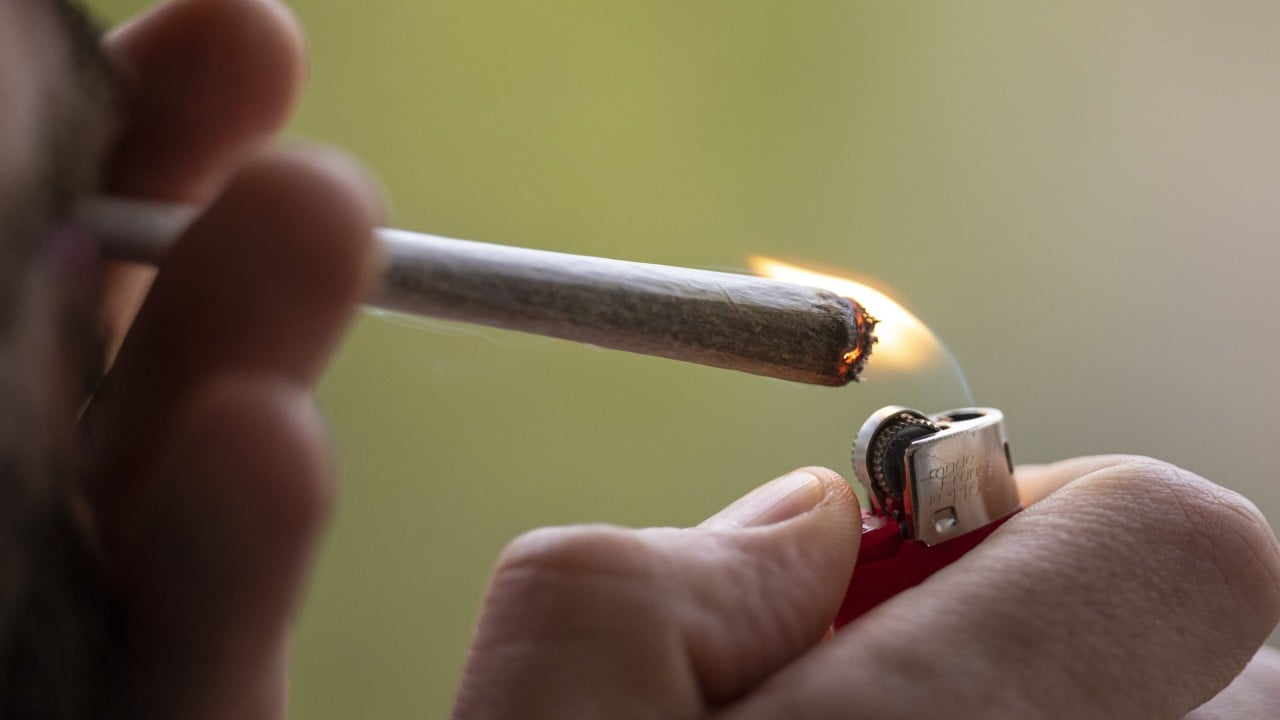
Singapore has a reputation for being one of the toughest places on earth when it comes to drugs. Capital punishment stands for trafficking. Long prison sentences wait for repeat users. But a quiet, significant shift is happening right now in the city-state. Singapore is softening its stance on first-time drug abusers, and it is doing so because the data leaves no other choice. The profile of the average offender has shifted. They are getting younger.
If you think the old-school scare tactics still work on teenagers raised on the internet, you are mistaken. The Ministry of Home Affairs (MHA) and the Central Narcotics Bureau (CNB) have realized this. Instead of throwing the book at every teenager caught with cannabis, the system is tilting heavily toward rehabilitation, psychological intervention, and family-centric support. For another view, see: this related article.
The Changing Face of Youth Drug Abuse in Singapore
The numbers coming out of local enforcement agencies paint a stark picture. A significant proportion of newly arrested drug abusers in Singapore are under the age of 30. Many are teenagers.
This isn't a case of kids buying illicit substances in dark alleys. The modern drug trade thrives online. Young people use encrypted messaging apps like Telegram to order vaping products, synthetic drugs, and cannabis edibles. Delivery happens straight to their doorsteps, disguised as regular e-commerce packages. Similar coverage regarding this has been shared by The Washington Post.
This digital accessibility completely changes how youth perceive the risk. When buying drugs feels exactly like ordering a bubble tea on a food delivery app, the psychological barrier drops. Many young offenders honestly do not see themselves as criminals. They view it as a lifestyle choice or a coping mechanism for stress, heavily influenced by Western media narratives that normalize recreational drug use.
Shifting from Punishment to Rehabilitation
The old framework treated consumption primarily as a criminal offense requiring strict deterrence. Today, the Central Narcotics Bureau classifies first-time abusers who do not commit other crimes differently. The focus is on fixing the root cause rather than just punishing the symptom.
Under the current community-based rehabilitation regime, young first-time offenders are frequently directed away from prison cells and toward Community Rehabilitation Centres (CRCs) or structured counseling programs.
- Enhanced counseling: Instead of isolation, offenders attend intensive therapy sessions designed to address underlying mental health struggles, academic stress, or family dysfunction.
- Family involvement: Parents are no longer kept at arm's length. The system forces parents to attend sessions, recognizing that a broken home environment often triggers the initial relapse.
- Minimal disruption to education: The government actively tries to keep these youths in school or employment. Expulsion is no longer the immediate, knee-jerk reaction.
This does not mean Singapore has gone soft on drugs. The laws against trafficking, importing, or manufacturing remain brutal. If you sell, you pay the price. But if you are a 17-year-old who made a stupid mistake in your bedroom, the state now prefers to extend a hand rather than handcuffs.
Why the No Tolerance Policy Had to Evolve
Strict deterrence works beautifully when people fear the consequences. But psychological studies from organizations like the Institute of Mental Health (IMH) show that the teenage brain does not process long-term risk the same way an adult brain does. Telling a 16-year-old they could ruin their life ten years down the road rarely registers when they are dealing with immediate peer pressure or severe anxiety.
Furthermore, labeling a teenager a convicted criminal early in life creates a self-fulfilling prophecy. A criminal record closes doors to universities and jobs. When a young person feels society has permanently discarded them, they return to the very drug circles that accepted them in the first place. The recidivism rate—the rate at which ex-offenders reoffend—becomes a vicious cycle.
The current strategy treats early-stage drug abuse less like a moral failing and more like a behavioral health crisis. It is a pragmatic calculation. Saving a youth early saves taxpayers decades of prison costs later.
What Parents and Educators Need to Do Right Now
The government can only do so much. If you are a parent or educator in Singapore, relying solely on CNB talks to keep kids safe is a losing strategy. The front line has moved into the home, specifically onto smartphone screens.
First, learn the signs of modern substance use. You are not looking for discarded needles or smelly smoke. Look for unexplained packages arriving in the mail, unusual mood swings, financial secrecy, or the distinct, sweet smell of flavored vapes, which are frequently laced with synthetic cannabinoids.
Second, change how you talk about the issue. Traditional scare tactics usually backfire. When kids see Western celebrities or influencers openly consuming cannabis without dropping dead, they realize the extreme propaganda they were fed at school was exaggerated. Once they catch adults exaggerating, they stop listening entirely.
Talk openly about the actual chemical dependency risks, the legal reality of Singapore's strict laws, and the mental health triggers that make people seek escape. Address the stress instead of just banning the substance. If a child confesses to experimenting, jumping straight to rage or threats of disownment pushes them deeper into hiding. Secure professional help through school counselors or local family service centers immediately. The system is designed to help those who seek recovery voluntarily.