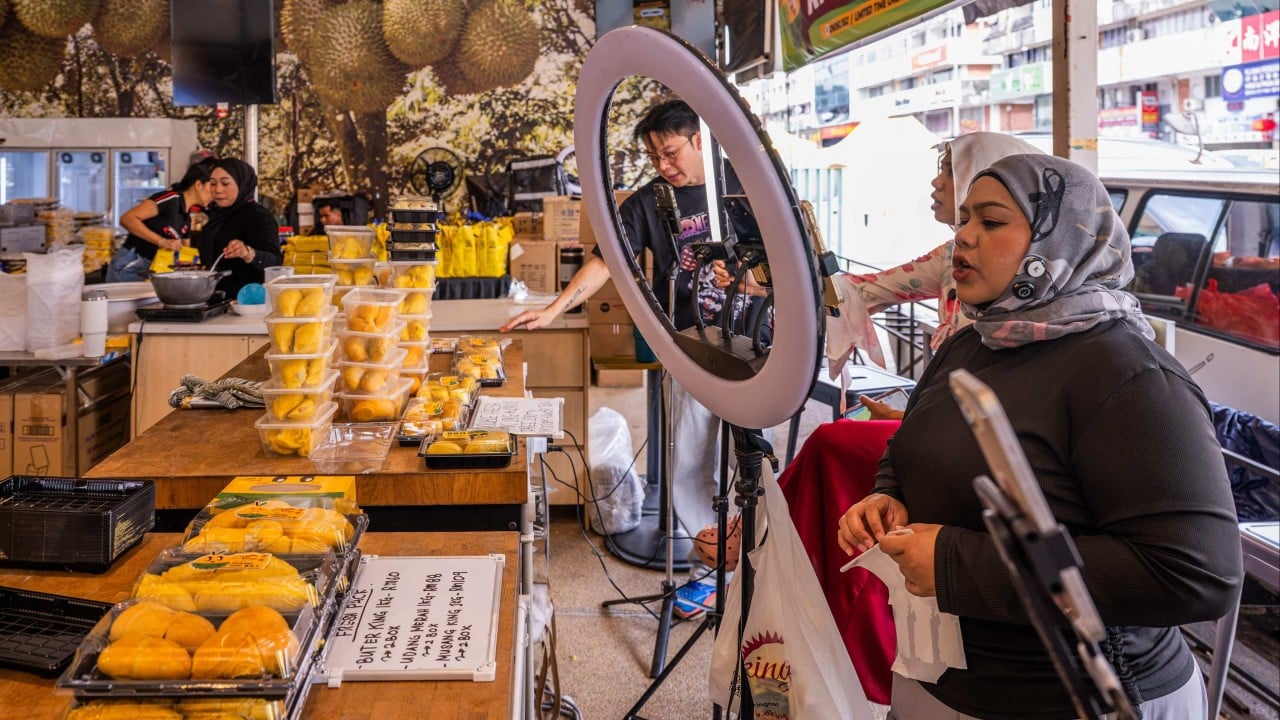
If you walked past any neighborhood fruit stall in Singapore over the last month, you probably smelled it before you saw it. Mountainous piles of green, thorny shells lined the sidewalks. Cardboard signs screamed ridiculous prices. We saw S$1.95 durians at NTUC FairPrice. We saw premium Mao Shan Wang dropping to a mind-boggling S$18 a kilogram, with some smaller grades going for as low as S$6.
It felt like a dream. It was a literal durian tsunami that flooded our markets and filled our living rooms with that beautifully pungent aroma.
But if you’ve been waiting for prices to drop even lower before you make your move, I have some bad news for you. You’ve officially missed the bottom of the market. The massive wave of cheap durians is drying up, Johor’s harvest is tapering off, and prices are already creeping back up. If you want to indulge, you need to act right now.
How Cheap Did It Actually Get
To understand why prices are rising, we have to look at how absurd things got in June.
Across the causeway in Malaysia, the market completely broke. There was such a massive oversupply that some stalls in Johor and Kuala Lumpur offered "all-you-can-fit" sacks of durians for just RM100 (around S$30). People were turning up with giant gunny sacks, packing them to the brim with dozens of fruits. Musang King prices in Malaysia plummeted from their usual RM60 to RM90 per kilogram down to an unbelievable RM9 to RM10.
Here in Singapore, we didn't quite hit the RM2-per-fruit level, but we got closer than we have in five years.
Kelvin Tan, the co-founder of 99 Old Trees in Outram Park, noted that it was the cheapest he had seen durians in half a decade. Premium Mao Shan Wang and Black Gold, which usually command a premium, fell to about S$18 to S$20 a kilogram. For a brief, glorious moment, the King of Fruits became something you could eat on a casual Tuesday night without crying when you looked at your bank account.
Why the Durian Tsunami Happened
This wasn’t some random stroke of luck. It was the result of a perfect storm of climate conditions and agricultural economics.
The Five Year Waiting Game
Around 2020, durian prices were sky-high. Tempted by massive demand from China, Malaysian farmers went on an absolute planting spree. They cleared land, bought saplings, and waited. It takes about five to six years for a cloned durian tree to start bearing fruit.
We are now in 2026. Those millions of trees planted during the boom have finally matured. They are starting to produce fruit on a massive scale, permanently shifting the supply curve.
The Scorching Heatwave
Agriculture is always at the mercy of the weather. A few weeks ago, both Johor and Pahang experienced consecutive days of intense, scorching heat.
Normally, the durian harvest is staggered. Different regions peak at different times, allowing sellers to manage the incoming supply. But the extreme heat caused fruits in both states to ripen and drop simultaneously.
Instead of a steady stream of fruit, Singapore and Malaysia got hit by a massive wall of supply all at once. Because durians are incredibly perishable—you basically have a 48-hour window before they ferment and turn sour—sellers had no choice but to slash prices to clear their shelves.
Why Singapore Prices Didn't Match Malaysia Lows
I heard a lot of Singaporeans complaining about getting ripped off. They saw TikTok videos of Malaysians buying Black Thorn for RM15 and wondered why we were still paying S$18 for Mao Shan Wang.
There is a simple explanation for this. Singapore is an import-only market.
When you buy a durian in Singapore, you aren't just paying for the fruit. You are paying for:
- High-speed transport: Refrigerated trucks driving across the Causeway daily.
- Surging overheads: Shop rentals in Singapore are notoriously expensive.
- Staff wages: Retail labor in Singapore costs significantly more than in rural Johor.
- Strict quality control: Importers reject a massive portion of low-grade, watery, or insect-damaged fruits to ensure only premium grades make it to the shelves.
Melvin Chua, who runs Durian Garden, pointed out that Singapore's operating costs make it impossible to match Malaysia's rock-bottom prices. Once you add transport, GST, and labor, Singapore stalls have a hard floor on how low they can go.
The Price Hike Has Already Begun
The temporary glut is over. Johor's harvest is winding down rapidly, leaving only Pahang to supply the market.
The numbers don't lie. At Durian 36 in Geylang, owner Alvin Teoh reported that Mao Shan Wang has already risen from its S$18-S$19 low back up to S$22 a kilogram. He expects it to climb even higher in the coming days.
Over at 99 Old Trees, prices for premium Mao Shan Wang have jumped from S$20 to S$24 a kilogram. Popular sellers like Ah Seng Durian have been posting warnings on social media, letting customers know that daily supplies are dwindling fast.
The message from the ground is loud and clear: "Durians don't wait for you." If you keep holding out for a miraculous price drop, you're going to end up paying standard off-season prices.
How to Get the Best Deals Right Now
If you want to squeeze one last feast out of this season before prices skyrocket, you have to play it smart. Sellers are starting to feel the pinch of rising wholesale costs, which means you need to protect your wallet.
First, stop buying by the box if you want the absolute best value. Pre-packed boxes are convenient, but they allow sellers to hide watery or lower-grade pods beneath a few good ones. Always ask the seller to open the fruit in front of you.
Second, look for the physical signs of a good durian. Tap the shell. It should sound hollow, like a drum, which indicates the seeds have shrunk and the flesh is dry and creamy. If it sounds solid, the fruit is likely wet or unripe.
Third, don't ignore the lesser-known varieties. While everyone fights over Mao Shan Wang, cultivars like Red Prawn, D24, and XO are still retailing at highly reasonable prices. They offer incredible flavor profiles that easily rival the bitterness of a standard Musang King, often at a fraction of the cost.
Grab your keys, head down to your local stall tonight, and get your hands dirty. The window is closing fast, and once this wave ebbs, you'll be waiting a long time for the next one.