A woman sits on a witness stand, describing the exact moment she realized she might die. She details the suffocating weight, the violence, and the terrifying realization that her attacker possessed an absolute lack of empathy. She survived. Yet, just months later, two other women—Carmenza Valencia-Trujillo and Sheryl Wilkins—were not as fortunate.
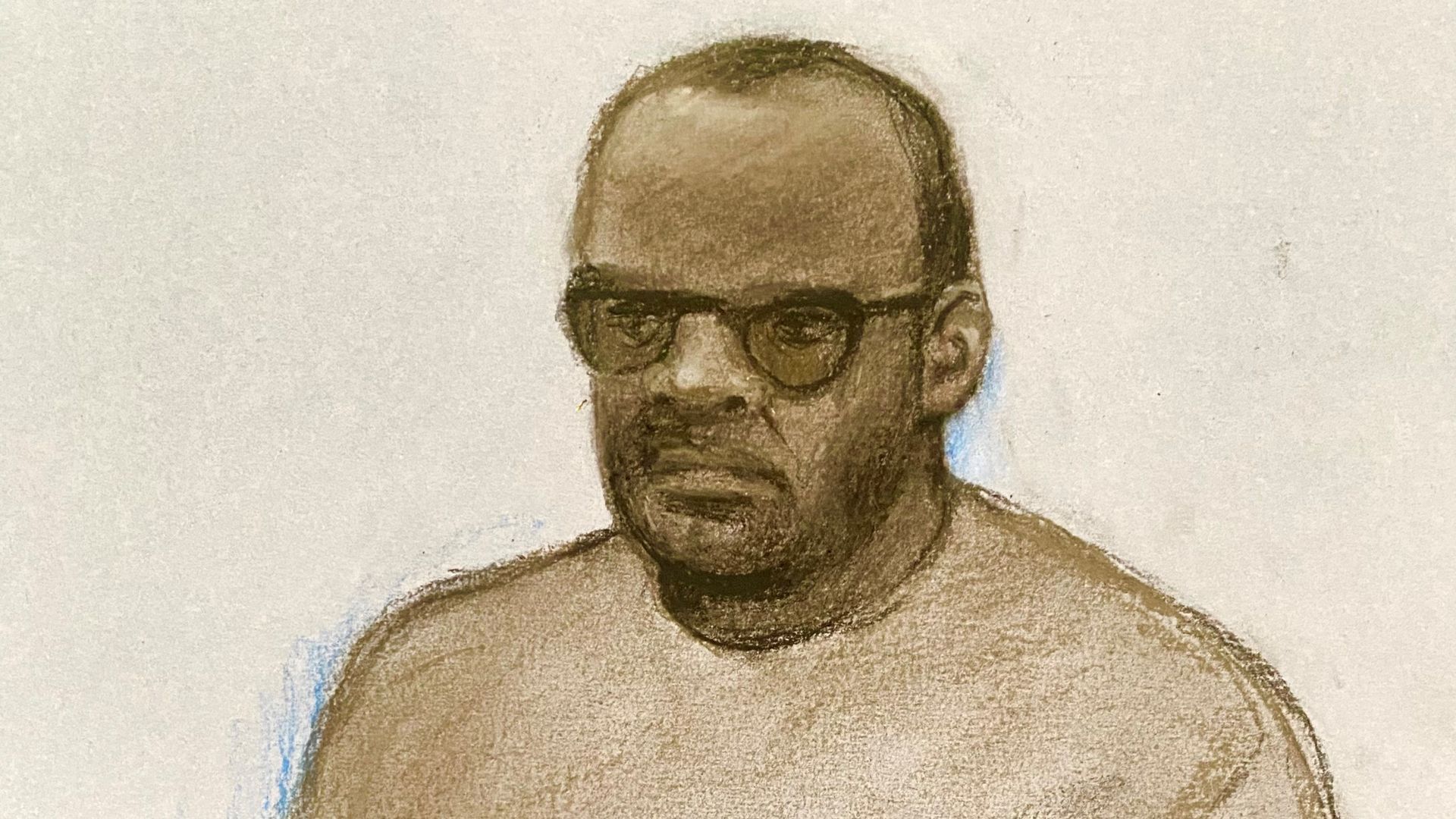
The ongoing trial of 40-year-old Simon Levy puts a brutal spotlight on a systemic failure we see play out repeatedly. Levy stands accused of a horrifying timeline of violence stretching across 2025. He faces charges of murder for the deaths of Valencia-Trujillo, 53, and Wilkins, 39, along with charges of rape, grievous bodily harm, and non-fatal suffocation tied to the woman who survived to testify against him.
Levy has pleaded not guilty to all charges. But the chilling details emerging from the courtroom raise a grim question that goes far beyond a single legal case. Why does the system consistently fail to stop escalating predators before the damage becomes permanent?
The Anatomy of an Escalation
The surviving victim's testimony paints a picture of an aggressive, unhinged attack in January 2025. She described Levy as an "evil" presence, detailing a level of violence that left her gasping for air. In court, prosecutors outlined how this initial survival story didn't lead to a swift intervention. Instead, the timeline moved forward with devastating momentum.
Two months later, in March 2025, Carmenza Valencia-Trujillo was killed during what prosecutors describe as a sexual encounter. By August of that same year, Sheryl Wilkins was also dead under similar circumstances.
This trajectory isn't unique to the Levy case. Criminologists have known for decades that violent predators rarely start with murder. They test boundaries. They seek out vulnerability. They measure the risk of getting caught. When an initial assault doesn't result in immediate containment, the predator receives a dangerous piece of feedback: you can get away with this.
The legal system treats individual crimes as isolated incidents until a pattern forces them together. That delay is where victims lose their lives.
What Most People Get Wrong About Serial Violence
We tend to look at high-profile criminal trials through a distorted lens. True crime media trains us to look for mastermind villains with complex, cinematic motives. The reality inside actual courtrooms is far more sordid and predictable.
Predators rely on isolation and the social stigma surrounding sexual violence. They count on the fact that victims will feel too traumatized, confused, or terrified to speak up immediately. When a victim does come forward, the defense strategy almost always follows a set script: attack her credibility, question her memory, or minimize the severity of the injuries.
In the Levy trial, the defense has to navigate the sheer weight of multiple separate incidents tied to one individual. Yet, the legal process dictates that each charge must be evaluated on its own merits. This creates a strange paradox where the jury must compartmentalize a terrifying pattern of behavior into neat, bureaucratic boxes.
The Cost of Delayed Intervention
Every time a violent offender slips through the cracks or avoids immediate detention after an initial assault, the risk to the community compounds. The surviving witness in this case provided crucial testimony that bridges the gap between a hidden assault and a double homicide investigation. Her courage to speak out gives a voice to two women who can no longer tell their own stories.
But courage shouldn't be our primary line of defense.
The immediate next steps require a massive shift in how law enforcement agencies track, log, and cross-reference reports of non-fatal strangulation and severe sexual assault. Studies from forensic medical institutions consistently show that non-fatal suffocation is one of the highest predictors of future lethality in abusive relationships and predatory behavior. It is a literal dress rehearsal for homicide.
If you or someone you know has experienced sexual violence or assault, don't wait for the system to catch up. Immediate, confidential support is available 24/7 through national resources like the National Sexual Assault Hotline at 1-800-656-4673 or your local emergency services. Document every interaction, seek immediate medical attention to preserve forensic evidence, and engage with professional victim advocates who can help navigate the legal system safely.


