It starts with a mild fever, a stiff neck, and a patch of purple spots that look like a faint rash. Within twenty-four hours, it can end in limb amputation, permanent brain damage, or death.
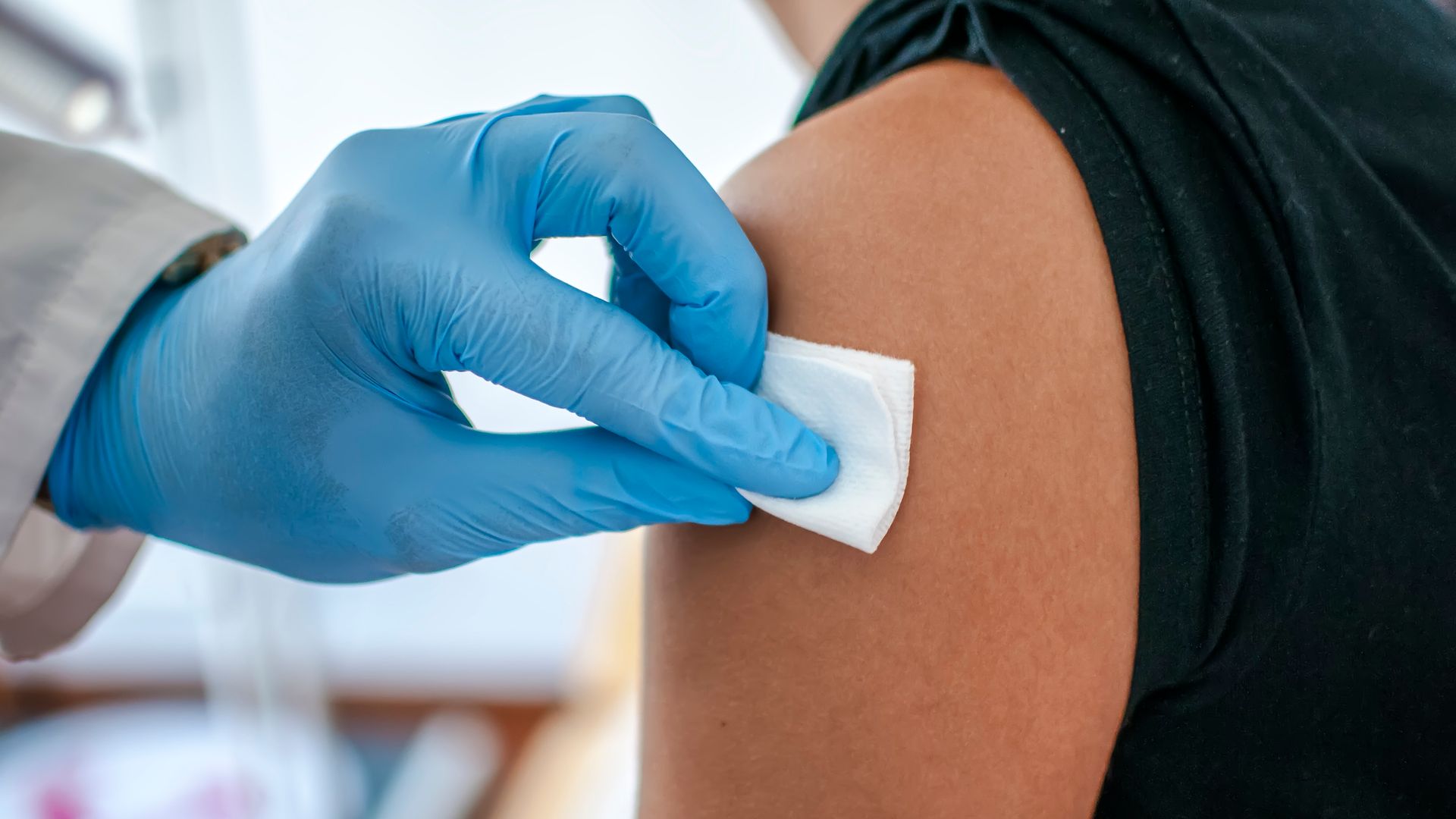
Public health officials are sounding the alarm over a sharp rise in invasive meningococcal disease among teenagers and young adults, urging universal vaccination for all adolescents. The push for a comprehensive meningitis jab is no longer just a routine medical recommendation. It is a desperate race to patch the critical gaps in our collective immunity before highly aggressive bacterial strains take hold in high schools and university dormitories. While the science supporting these vaccines is ironclad, the execution of public rollout campaigns is failing.
The Perfect Storm in the Dormitory
Meningitis is a ruthless opportunist. The bacteria, specifically Neisseria meningitidis, colonize the back of the nose and throat. In most people, they sit there quietly, doing absolutely nothing.
But put thousands of teenagers together in cramped, poorly ventilated spaces, and the dynamic changes. They share drinks, vape pens, and cramped living quarters. They pull all-nighters, running down their immune systems. Under these conditions, a harmless carrier becomes a super-spreader.
[Healthy Carrier] ---> (Shared Cup/Vape) ---> [Vulnerable Teenager] ---> (Rapid Bloodstream Infection) ---> [Sepsis/Meningitis]
When the bacteria breach the mucosal barrier and enter the bloodstream, the clock starts ticking. The resulting infection can cause swelling of the membranes covering the brain and spinal cord, or lead to meningococcal septicemia, a rapid poisoning of the blood.
Doctors who have worked in intensive care units for decades will tell you that nothing moves faster than meningococcal sepsis. A teenager can go from feeling slightly under the weather at breakfast to being on life support by dinner. By the time the classic purple rash appears, the body is already losing the battle against systemic clotting and organ failure.
The Alphabet Soup of Vaccine Coverage
Part of the confusion surrounding the meningitis jab is that there is no single vaccine that protects against every strain. The bacteria are categorized into different serogroups, primarily A, B, C, W, and Y.
Historically, immunization programs focused heavily on the quadrivalent vaccine, which covers groups A, C, W, and Y. This was a massive success, virtually wiping out those strains among vaccinated cohorts. However, this success created a false sense of security.
The Rise of Meningitis B
With the ACWY strains largely held at bay, Serogroup B became the dominant threat in many regions.
- The ACWY Vaccine: Often given as a booster around age eleven or twelve, with a second dose before heading to university.
- The MenB Vaccine: A separate series that is frequently left off mandatory school vaccination lists, leaving a massive portion of the adolescent population completely unprotected.
This gap in coverage is where tragedy occurs. Parents often send their children off to college assuming they are fully immunized because they received their standard childhood shots. They do not realize that the specific strain circulating on college campuses might be the one vaccine their child missed.
Public health departments must move toward a unified approach. Some countries have begun recommending a pentavalent vaccine that combines all five major strains into a single series, but uptake is slow, hampered by high costs and bureaucratic inertia in school immunization requirements.
The True Cost of Public Health Inertia
When public health agencies hesitate to mandate or fund comprehensive vaccination campaigns, they often cite cost-benefit analyses. Vaccines are expensive to manufacture, distribute, and administer on a national scale.
This financial calculation is profoundly short-sighted.
Consider a hypothetical scenario where a state government decides against funding a universal MenB vaccination campaign for high school seniors to save five million dollars in the annual budget. Within six months, an outbreak occurs at a state university.
Three students require months of intensive care, costing hundreds of thousands of dollars per day. Two of those students survive but require bilateral leg amputations and years of rehabilitation. The third student dies. The state ends up spending millions in emergency response, contact tracing, and reactive vaccination clinics, all while families suffer unimaginable, preventable grief.
The economic burden of treating a single survivor of severe meningococcal disease, including prosthetic fittings, psychological support, and long-term care, dwarfs the cost of administering preventative vaccines to thousands of teenagers.
Overcoming the Post-Pandemic Trust Deficit
We cannot discuss adolescent vaccination without addressing the elephant in the room. The public health apparatus is currently operating under a severe deficit of trust.
The years following the global pandemic of 2020 left a legacy of skepticism surrounding mandates, pharmaceutical companies, and government health advisories. When health bosses stand at a podium and declare that "all teenagers must get jabbed," a significant portion of the population immediately tunes out or actively resists.
To break through this wall of skepticism, public health communication needs to change its tone. Instead of top-down mandates that trigger ideological resistance, the message must rely on transparent data and raw, human reality.
Pediatricians need the time and resources to have honest conversations with parents. They must explain that the meningitis vaccine is not a novel technology rushed to market, but a refined, highly targeted tool with a decades-long track record of safety.
Furthermore, access must be democratized. Expecting busy, working-class parents to schedule multiple doctor appointments for elective boosters is unrealistic. Vaccines need to be available where teenagers already are: in high school gyms, sports physical clinics, and university registration lines.
The Missing Link in School Re-entry Requirements
If we want to stop meningitis outbreaks before they start, we have to look at school and university entry requirements. Currently, these regulations are a patchwork of confusion.
One state might require the ACWY vaccine for college entry, while the neighboring state only "strongly recommends" it. Almost none require the MenB vaccine, despite it being the culprit behind the vast majority of recent campus outbreaks.
This policy gap is dangerous.
Young people do not stay within state lines. They travel for sports tournaments, visit friends at different universities, and return home for holidays. A highly infectious strain can travel across the country in a single holiday weekend, carried by asymptomatic teenagers who have no idea they are harboring a killer.
School boards and university registrars must standardize their immunization policies. Requiring comprehensive coverage for all five major strains of meningococcal bacteria before a student can set foot in a dormitory is the single most effective way to build a wall of herd immunity.
Action Steps for Parents and Guardians
Do not wait for school districts or government agencies to update their policies. Take control of your teenager's health immediately.
- Audit the immunization record: Ask your pediatrician specifically which meningitis vaccines your child has received. Look for both the ACWY and the MenB designations.
- Schedule the booster: If your teenager received their first ACWY shot at age eleven, they need a booster at age sixteen to ensure protection lasts through their high-risk college years.
- Ask about the B strain: Explicitly request the MenB vaccine series before your child leaves for college, trade school, or military service.
- Educate your teen: Teach them that while sharing is generally a virtue, sharing drinks, water bottles, and vaping devices can carry life-altering consequences.