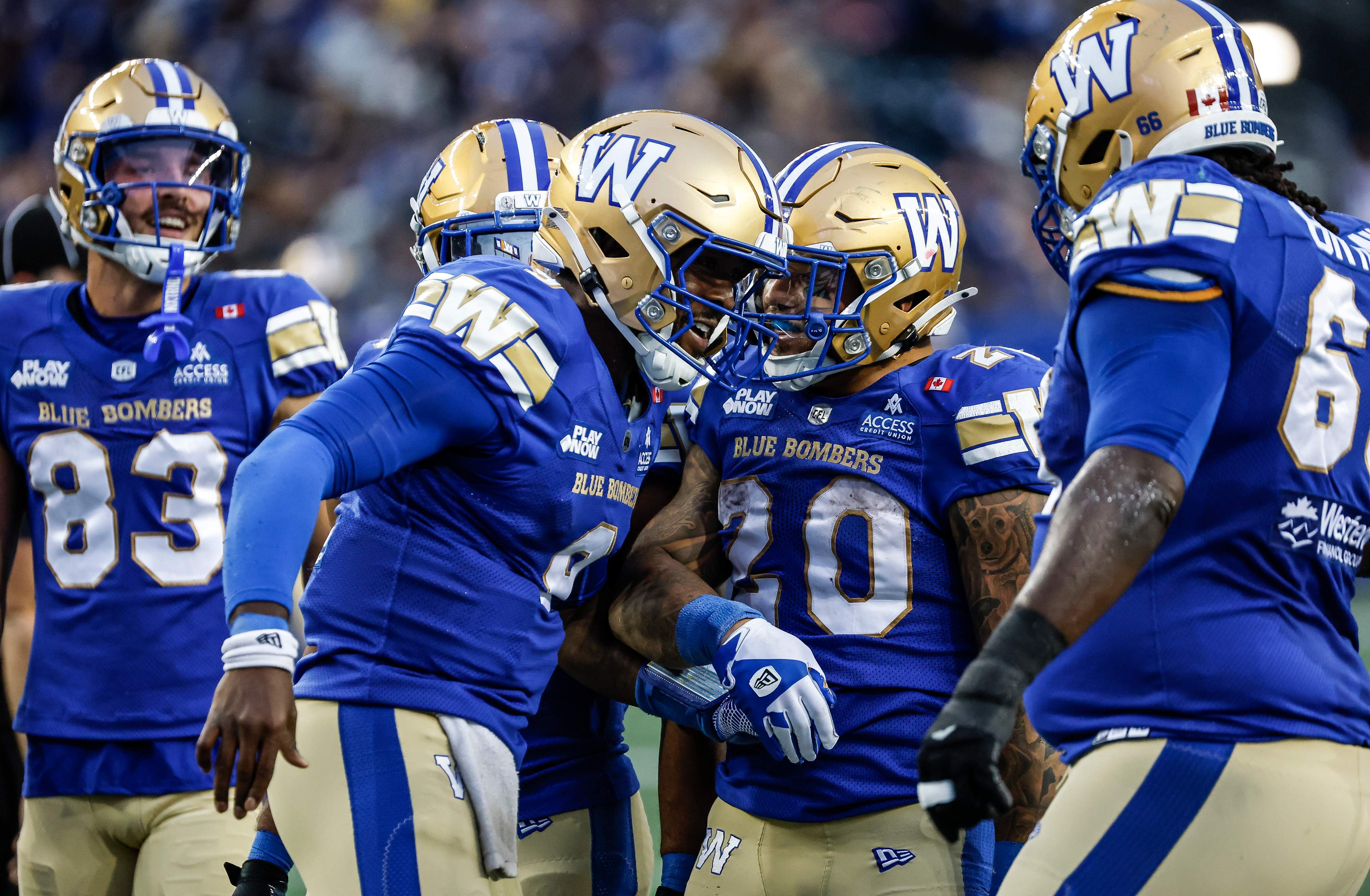
The Friday night air smells like damp grass, cheap popcorn, and the faint, sweet promise of autumn. If you have ever stood beneath the Friday night stadium lights, you know that sound. The hollow thump of a leather football hitting a punter's boot. The rhythmic stomp of the student section shaking the bleachers. The coach's voice, rasped raw by August two-a-days, echoing across the turf like a foghorn cutting through the dark.
For the teenagers down on that field, the world is neatly compartmentalized. There is the snap, the blocking scheme, the whistle, the next play.
Then, the whistle blows for the last time. Not just for the quarter. For the season. For good.
Behind the closed doors of a high school administration building a few miles away, the fluorescent lights hum over a conference table piled high with compliance reports, witness statements, and formal grievances. Multiple coaches at El Camino Real Charter High School have been stripped of their whistles and placed on administrative leave. Just like that. An investigation has swallowed the staff, leaving a vacuum where authority used to stand.
Ask anyone in the San Fernando Valley about the Conquistadors, and they will tell you about tradition. They will talk about the pride of the purple and gold. But right now, out on that campus, nobody is talking about Xs and Os. They are talking about whispers. They are talking about safety, oversight, and the invisible boundaries that separate a mentor from a liability.
We forget how much power a high school coach wields.
To a seventeen-year-old kid trying to figure out how to navigate a growth spurt, a bad grade in algebra, and the crushing weight of college applications, the coach is often the anchor. A coach is the first adult who demands excellence without asking for anything in return except sweat. When that anchor gets hauled aboard abruptly during an active investigation, the boat drifts.
We do not yet know every single detail of the allegations that triggered this administrative action. Personnel files remain locked behind the ironclad doors of privacy laws and district protocol. But we know the human collateral damage of a sudden coaching purge.
Consider what happens on a Monday morning when the players walk into first period.
The kids check their phones under their desks. A headline flashes across a local news feed. Names they trust, men and women who taped their ankles and yelled at them to finish their sprints, are suddenly gone. No warning. No transition. Just an email sent to parents and a press release delivered to reporters who smell a scandal in the making.
Silence fills the locker room.
Trust is a fragile architecture. It takes years to build through grueling summer conditioning sessions, shared losses in overtime, and bus rides back from away games where everyone is too tired to talk. It takes minutes to shatter. When an investigation lands on a coaching staff, the student-athletes are left in a state of suspended animation. They are pawns in a game they never signed up to play, holding their collective breath while adults in suits determine the fate of their season.
This is where the standard news reports fail us. They give us the who, the what, and the where. They tell us that El Camino Real is grappling with leadership turbulence. But they miss the texture of the anxiety in the hallways. They miss the senior captain sitting in the back of the classroom, staring at a playbook that might as written in ancient Greek now that the man who drew up the plays has vanished.
Why does this keep happening in high school athletics?
The landscape of youth and prep sports has shifted beneath our feet over the last decade. We have moved from an era of unquestioned authority to an era of rigorous, sometimes agonizing accountability. That is a necessary evolution. The safety of minors is paramount. No tradition, no championship banner, and no coaching pedigree can ever supersede the physical and emotional well-being of a student. When lines are crossed, when behavioral standards are breached, the machinery of investigation must turn.
Yet, the friction between protecting students from bad actors and protecting institutions from liability creates a chaotic fallout.
In many districts, the moment an allegation surfaces—ranging from administrative rule violations to severe ethical misconduct—the default legal maneuver is immediate removal. It makes sense from a risk management perspective. You isolate the variable. You stop the bleeding. But high school campuses are not corporate offices. They are messy, living ecosystems driven by emotion and loyalty. When you pull the coaches out of the ecosystem without explanation, you do not just punish the guilty; you destabilize the innocent bystanders who relied on those leaders for stability.
Talk to any veteran educator who has lived through a mid-season staff suspension, and they will tell you about the immediate aftermath. The parents mobilize. Group chats light up with indignation, conspiracy theories, and frantic demands for transparency. The athletic director tries to piece together an interim coaching staff from teachers who already have full grading loads and lesson plans to write. The purity of the game gets buried under an avalanche of administrative dread.
And what about the players?
They are left to process the betrayal or the confusion on their own. If the allegations are proven true, they feel a deep sense of foolishness for having trusted someone who abused their position. If the allegations turn out to be overblown or unfounded, the damage to the coaches' reputations has already been dealt a lethal blow in the court of public opinion. Either way, the kids lose.
We romanticize high school sports as the last pure bastion of Americana. We tell ourselves it is about character building, teamwork, and learning how to lose with dignity so you can win later in life.
Then reality intervenes.
The investigation at El Camino Real is a reminder that our athletic programs are just as vulnerable to institutional failure as any other part of society. The purple and gold will survive. New coaches will eventually be hired. The balls will be blown up, the yard lines will be painted, and the Friday night lights will flicker back on.
But the teenagers who walked off that field and into a storm of adult chaos will carry a different lesson home. They will learn that institutions protect themselves first. They will learn that heroes are often complicated, flawed, and occasionally temporary.
As the sun dips below the hills of the West Valley, casting long shadows across the empty practice fields, the silence is heavy. It waits for resolution. It waits for the truth to catch up to the rumors. Until then, the kids keep stretching, keep running, and keep looking toward the sidelines, wondering who is going to blow the whistle next.