The mountain does not care who you are. To the granite and the thickets of Ma On Shan, a human life is merely a transient whisper against the ancient stone.
When a 58-year-old man walked out into that sprawling wilderness, he carried with him the ordinary weight of an everyday existence. A family. A home. A routine. Then came the sudden, jagged break in the timeline. The moment he did not return.
Silence is heavy when it belongs to someone who is missing.
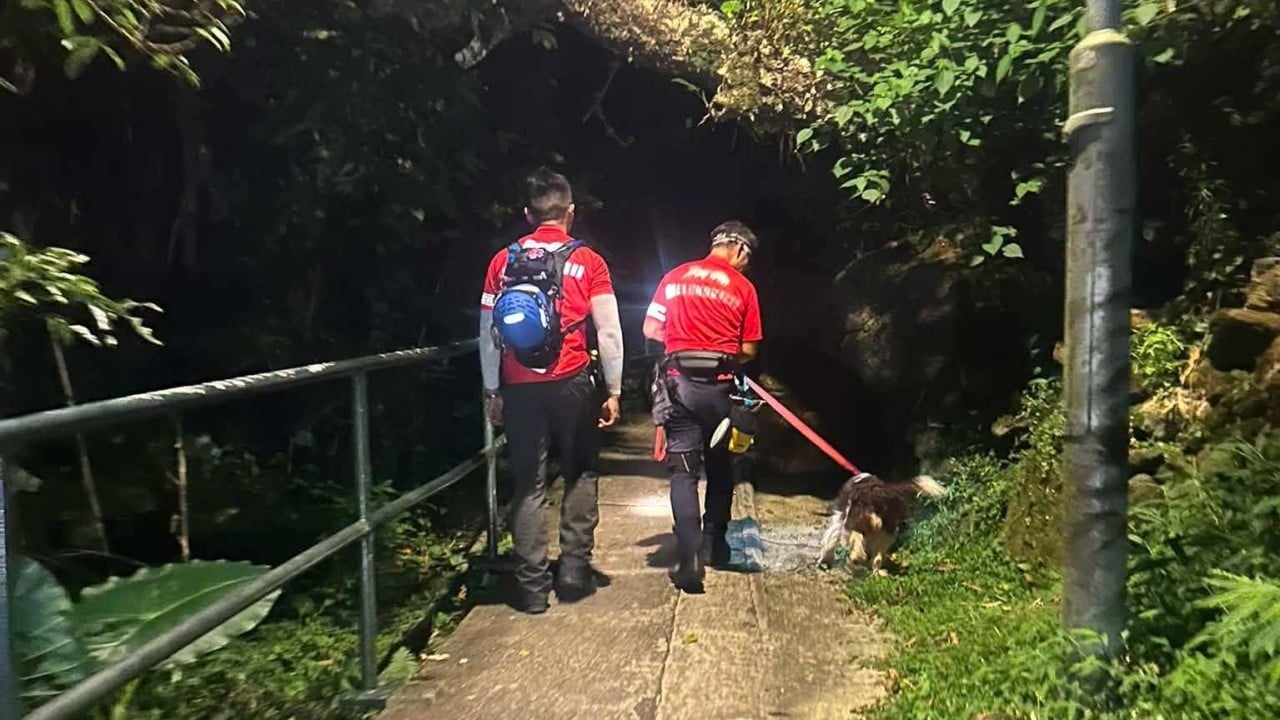
For days, the hills echoed with a different kind of sound. Megaphones crackled. Boot heels crunched against dry twigs. The air smelled of sweat, damp earth, and the distinct, rising panic of time running out. Rescue personnel—firefighters, police officers, and civilian volunteers belonging to search-and-rescue teams—combed the dense vegetation of the New Territories. They looked under ledges. They pushed aside shoulder-high ferns. They stared down steep ravines where the canopy was thick enough to swallow the light.
Every hour that passes in a mountain search changes the math of survival. Dehydration. Exhaustion. The plummeting temperatures after dusk.
Consider what happens when a search effort stretches past the forty-eight-hour mark. Hope does not vanish all at once; it frays. It becomes a quiet calculation among strangers who have gathered with flashcards and thermal drones, bound together by a singular, desperate objective: find him.
They found him. But not the way anyone prays for.
On a Tuesday, tucked away in a remote section of the Ma On Shan terrain, the search ended. The man was discovered motionless. Medical personnel confirmed the worst. The mountain had kept him.
News reports render these tragedies in flat, sterile ink. Age. Location. A brief nod to the emergency response. But statistics fail to capture the vertigo of grief that hits a family when an empty chair becomes permanent. They do not show the exact moment a son or a daughter realizes that a familiar voice will never answer the phone again.
Search and rescue operations in places like Ma On Shan remind us of our fragility. Hong Kong’s country parks are deceptively accessible. You can step off a bustling MTR station, walk for twenty minutes, and find yourself enveloped by rugged wilderness. That proximity breeds a dangerous casualness. People forget that nature does not negotiate. A misstep, a sudden medical emergency, or a disorienting turn off a beaten path can transform a leisurely afternoon hike into a labyrinth.
Behind every headline about a missing hiker is a logistical marathon. Teams deploy rope rescue techniques, track mobile phone ping data through telecommunications providers, and rely on government flying services to cut through treacherous terrain from above. It is a choreography of urgency, executed by professionals who carry the emotional burden of every failed rescue.
When the operation concludes, the teams pack up their gear. The drones are powered down. The volunteers return to their day jobs, carrying the memory of empty thickets and silent ravines.
Left behind is the quiet. The kind of quiet that fills a house when someone is gone forever. The mountain remains, indifferent and enduring, while the rest of us are left to reckon with how quickly a life can step off the edge of the known world and into the mist.