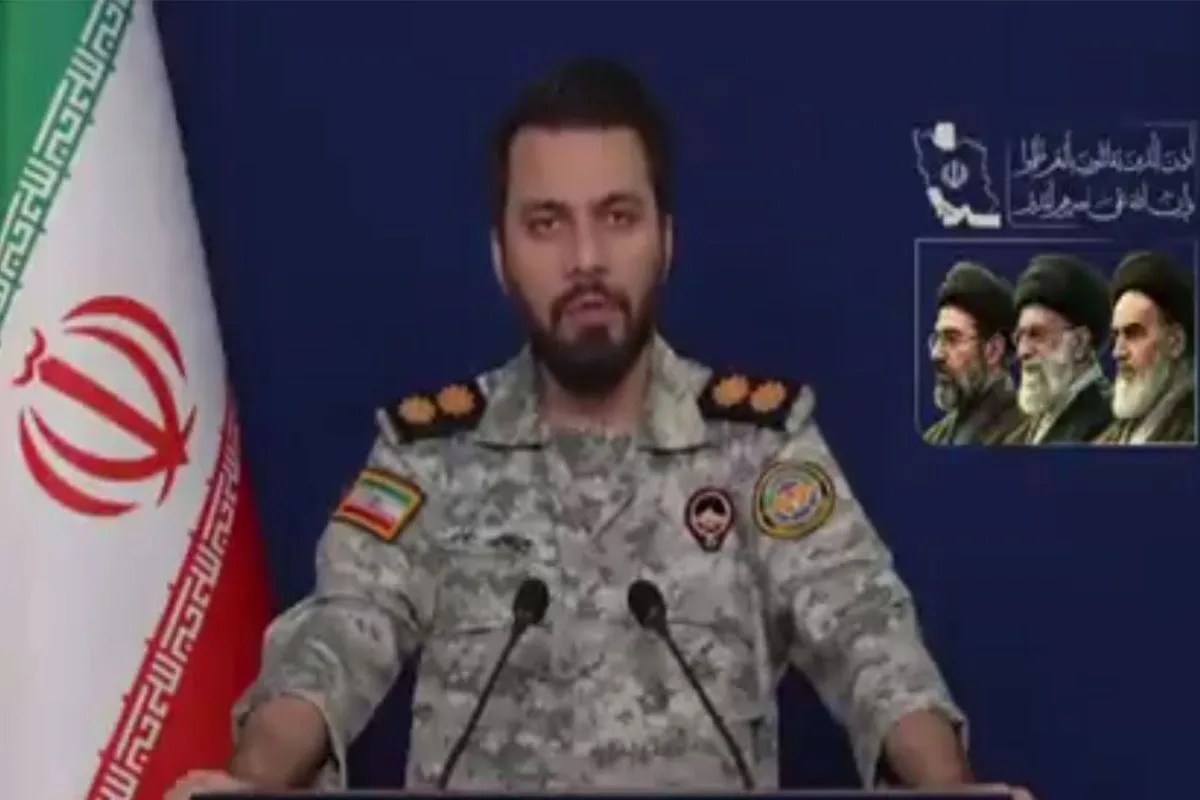
The air in the briefing rooms of Tehran doesn’t carry the scent of diplomacy. It smells of old paper, bitter tea, and the heavy, metallic tang of unresolved grievances. Behind the closed doors of the Islamic Revolutionary Guard Corps (IRGC) headquarters, the language being spoken isn't the cautious dialect of international law. It is the language of the blood feud.
When a commander stands before a map of the Levant and speaks of Benjamin Netanyahu, he isn't just naming a head of state. He is naming a target. The recent declarations from IRGC leadership have shifted from the standard geopolitical posturing into something far more visceral. They have stopped talking about borders and started talking about retribution. Specifically, they have labeled the Israeli Prime Minister the "murderer of schoolchildren."
This isn't just a rhetorical flourish. It is a calculated anchoring of their mission in a moral absolute.
The Weight of the Vow
In the specialized units of the IRGC, a vow is a physical weight. These men—commanders who have spent decades in the "grey zones" of Yemen, Iraq, and Syria—operate on a timeline that doesn't align with the Western news cycle. They don't think in terms of the next election. They think in terms of the next generation.
Consider the perspective of a mid-level officer in the Quds Force. To him, the explosions in Gaza or the targeted strikes in Damascus aren't just tactical maneuvers. They are personal affronts that demand a "qisas"—an Islamic concept of eye-for-an-eye justice. When these commanders swear that they will not let Netanyahu escape so long as they draw breath, they are signaling to their base that this conflict has moved past the point of strategic patience.
It has become a hunt.
The rhetoric coming out of Iran suggests a belief that the Israeli leadership has crossed a "red line" of humanity. By focusing on the deaths of children, the IRGC is attempting to strip away Netanyahu’s political identity and replace it with a criminal one. This reframing is essential for their internal morale. It transforms a complex, multi-layered regional war into a simple, heroic quest to punish a villain.
The Invisible Stakes of the Long Game
While the world watches the flight paths of ballistic missiles and the trajectory of suicide drones, the real war is happening in the silence between the strikes. It is a war of psychology.
The IRGC knows they cannot win a conventional, head-to-head air war against the combined might of Israel and its Western allies. They aren't foolish. Instead, they lean into the power of the looming threat. By declaring a personal vendetta against the Israeli Prime Minister, they create a permanent state of anxiety. They want the leadership in Jerusalem to feel that the shadow behind them is getting longer.
Imagine the logistical reality for a world leader under such a specific, sworn threat. Every motorcade, every public appearance, and every private meeting becomes a chess match against an invisible opponent. This is the "asymmetric pressure" the IRGC excels at. They aren't just trying to hit a target; they are trying to paralyze a system.
A History Written in Proxies and Precision
To understand why this specific threat feels different, we have to look at the scars of the last decade. The IRGC feels they are operating under the ghost of Qasem Soleimani. His assassination in 2020 by a U.S. drone strike didn't just remove a general; it created a vacuum that his successors feel compelled to fill with displays of even greater ferocity.
The commanders today are the proteges of that era. They are men who grew up in the shadow of the Iran-Iraq war and came of age managing the "Axis of Resistance." When they speak about Netanyahu, they are also speaking to their partners in Hezbollah, the Houthis, and the militias in Baghdad. They are asserting their role as the vanguard.
But there is a dangerous volatility in this narrative. When you tell your soldiers—and your public—that a specific man is a monster who must be destroyed at all costs, you leave yourself very little room for de-escalation. You trap yourself in a room where the only door out is marked "victory" or "martyrdom."
The Human Cost of High Stakes
Beyond the grand strategies and the fiery speeches, there are the civilians caught in the crossfire of this rhetoric. For a family in Tel Aviv or a family in Isfahan, these vows of vengeance aren't abstract news stories. They are the reasons why children are taught where the nearest bomb shelter is before they are taught to ride a bike.
The IRGC's focus on "schoolchildren" in their propaganda is a double-edged sword. It highlights the genuine tragedy of civilian casualties in Gaza, which has sparked global outrage. Yet, it also serves to justify future violence that will, inevitably, lead to more empty desks in classrooms across the region.
The tragedy of the Middle East is often found in this cycle of "righteous" retaliation. Each side views its own actions as a necessary response to an intolerable crime. To the IRGC commander, his vow is an act of justice. To the Israeli defense official, the preemptive strike is an act of survival.
The Geometry of the Conflict
The conflict has moved into a new phase of directness. For decades, Iran and Israel fought through shadows and proxies. Now, the masks are off. The IRGC's public declarations of a "death oath" against a sitting Prime Minister represent a collapse of the old rules of engagement.
There is no "back-channel" for a blood feud.
We are seeing a shift toward a more personalized form of warfare. It is no longer just state against state; it is a clash of identities, legacies, and personal survival. The IRGC commanders are betting that their resolve will outlast the political life of their enemies. They are playing a game of decades, waiting for the moment when the guard drops, when the shadow finally catches up.
The maps on the walls in Tehran remain. The tea grows cold. But the vow remains pinned to the air, a dark promise that ensures the cycle of the hunt will continue, long after the current headlines have faded into the dust of the desert.
Somewhere in the silence of a high-security bunker, a man checks his watch and waits for the world to turn. He isn't looking for a peace treaty. He is looking for a window of opportunity. He has a vow to keep, and in his mind, the blood of the innocent is the only currency that matters.