The quiet implementation of a ceasefire between the United States and Iran has caught the global intelligence community off guard. While headlines focus on the cessation of kinetic strikes in the Middle East, the reality is a fragile, high-stakes agreement designed to prevent a regional collapse. This is not a formal treaty signed on a sun-drenched lawn. It is a desperate cooling of tempers driven by mutual economic exhaustion and the looming threat of a multi-front war that neither Washington nor Tehran can afford to finance.
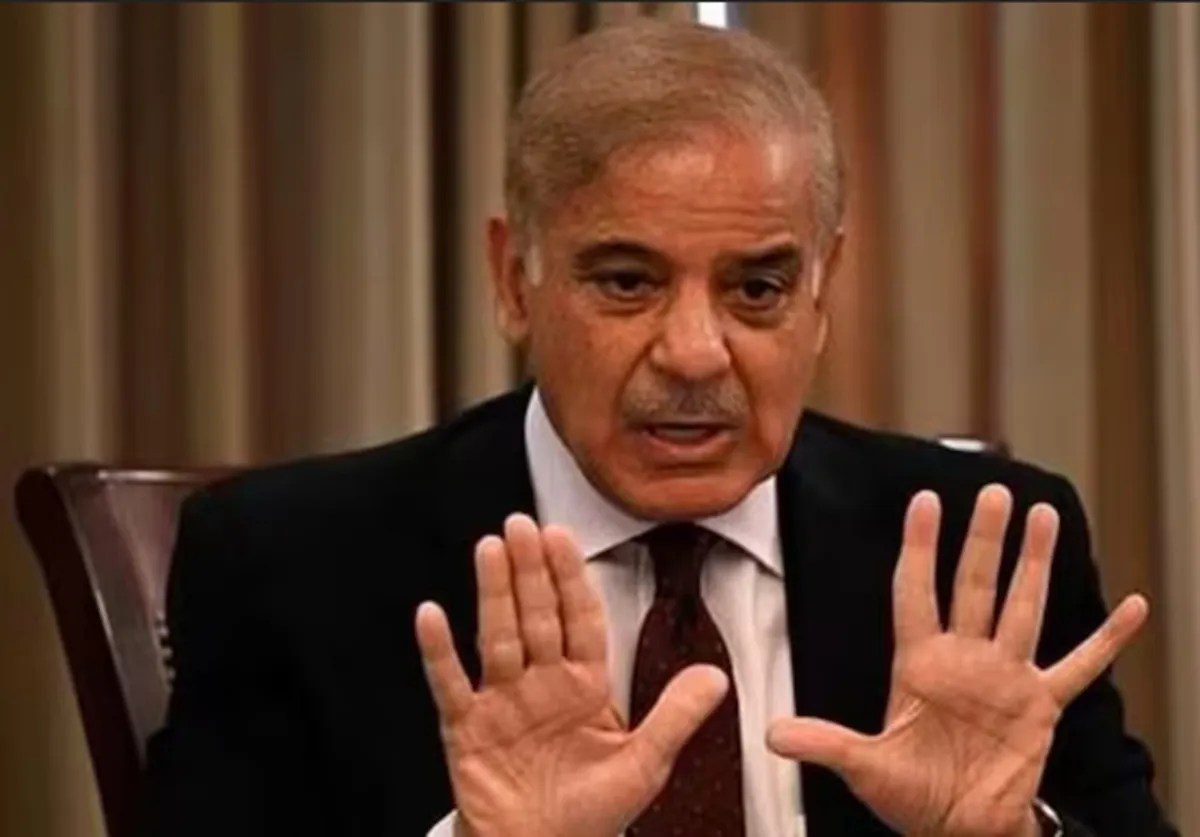
Pakistan’s Prime Minister, Shehbaz Sharif, signaled the weight of this development by framing it as a necessity for regional stability. However, his endorsement reveals more about Pakistan’s own precarious position than it does about any newfound love for peace between the Great Satan and the Islamic Republic. Islamabad is currently walking a tightrope, balancing its debts to Western lenders against its physical proximity to an erratic Iranian neighbor. Sharif's commentary acts as a relief valve for a South Asian economy that would have been the first casualty of a closed Strait of Hormuz.
The Secret Mechanics of the De-escalation
Modern diplomacy often happens in the dark. This ceasefire is the result of months of back-channel negotiations, likely mediated by Omani and Qatari officials who have perfected the art of the "non-paper" agreement. Unlike the 2015 nuclear deal, this arrangement avoids the scrutiny of legislative bodies by remaining informal. It is a "don't shoot, don't tell" policy.
Tehran has agreed to dial back its proxy attacks on American outposts in Iraq and Syria. In exchange, the United States has signaled a tactical pause in enforcing certain oil sanctions, allowing Iranian crude to flow more freely to Asian markets. Money is the lubricant of this peace. Iran’s internal economy has been gutted by inflation and civil unrest; the regime needs hard currency to maintain its grip on power. The Biden administration, facing an election year and volatile pump prices, needs the global oil market to remain boring. Stability is the shared currency of the moment.
Pakistan and the Stakes of Proximity
When Shehbaz Sharif calls this a "significant step," he is speaking to his own domestic audience as much as the international community. Pakistan shares a 900-kilometer border with Iran. Any prolonged conflict between Washington and Tehran forces Islamabad into an impossible choice. During the height of the recent tensions, the threat of spillover violence and the disruption of energy imports loomed over a Pakistani state already grappling with a massive balance-of-payments crisis.
Sharif’s vocal support for the ceasefire underscores a shift in Pakistani foreign policy. They are moving away from being a frontline state for Western interests and toward a role as a regional stabilizer. If Iran is integrated—even slightly—into the regional economy, Pakistan stands to benefit from long-delayed projects like the Iran-Pakistan gas pipeline. For Sharif, this ceasefire isn't just about avoiding bombs; it's about keeping the lights on in Karachi.
The Proxy Problem
The most significant risk to this ceasefire remains the "uncontrolled variable" of non-state actors. While Tehran can order its official military branches to stand down, its influence over groups like the Houthis in Yemen or various militias in Iraq is not absolute. These groups have their own local agendas. A single miscalculated drone strike by a local commander could ignite a retaliatory cycle that renders the Washington-Tehran understanding moot.
- Hezbollah's Role: The group remains the most potent weapon in Iran’s arsenal. Their restraint is a key indicator of Tehran’s commitment to the truce.
- The Red Sea Factor: Even with a ceasefire on land, the maritime lanes remain contested. If the Houthis continue to harass shipping, the US will be forced to respond, regardless of what the diplomats in Muscat have agreed upon.
The Failure of Maximum Pressure
For years, the prevailing logic in Washington was that "maximum pressure" would force a regime change or a total surrender in Tehran. It did neither. Instead, it pushed Iran closer to the Russian and Chinese orbits. This ceasefire represents a quiet admission that containment is more sustainable than confrontation.
The Iranian leadership has proven remarkably resilient in the face of economic isolation. By diversifying their smuggling routes and leaning into a "resistance economy," they survived the worst of the Trump-era sanctions. Now, they are leveraging their geopolitical position to demand a seat at the table. This isn't a victory for Western diplomacy; it is a tactical retreat to a more manageable status quo.
Nuclear Ambitions Under the Surface
We must address the elephant in the room: the centrifuges are still spinning. This ceasefire addresses the immediate violence but does nothing to solve the long-term problem of Iran’s nuclear breakout capacity. Reports indicate that Iran is continuing to enrich uranium at levels that have no civilian justification.
By focusing on a ceasefire, the US is essentially "parking" the nuclear issue to deal with more immediate fires. It is a dangerous gamble. If Iran reaches a threshold where it can produce a weapon in a matter of days, the current ceasefire will look like a historical footnote to a much larger catastrophe. The Biden administration is betting that they can use this period of calm to negotiate a more permanent nuclear framework, but Tehran has shown little interest in giving up its ultimate deterrent.
The Role of Regional Power Brokers
Saudi Arabia and the United Arab Emirates are watching this with intense skepticism. After years of being told that Iran was the primary threat to their existence, they are now seeing their primary security guarantor—the United States—make a deal with the enemy. This is driving a massive shift in Gulf politics. We are seeing a "hedging" strategy where Riyadh and Abu Dhabi are opening their own channels to Tehran, often brokered by China.
The US-Iran ceasefire is not happening in a vacuum. It is part of a broader "Great Realignment" where Middle Eastern powers are no longer waiting for permission from Washington to secure their borders. This move by the US might actually be an attempt to regain some lost influence in a region that is rapidly learning to live without American leadership.
Economic Realities and the Cost of War
The math of a potential war is staggering. A full-scale conflict with Iran would likely cost the global economy trillions of dollars in the first year alone. The insurance rates for shipping would skyrocket, making the transport of everything from electronics to grain prohibitively expensive. In a world still recovering from the inflationary shocks of the early 2020s, no political leader wants to be responsible for $10-a-gallon gasoline.
Tehran understands this leverage perfectly. They don't need to win a war; they just need to make the prospect of one so expensive that the West loses the stomach for it. This ceasefire is the physical manifestation of that leverage. It is a peace built on the fear of bankruptcy.
Internal Pressures in Tehran
Inside Iran, the regime is far from unified. There is a constant tug-of-war between the pragmatists at the Foreign Ministry and the hardliners within the Islamic Revolutionary Guard Corps (IRGC). The IRGC benefits from the "shadow economy" created by sanctions; they run the smuggling operations and the black markets. A ceasefire that leads to formal trade could actually hurt their bottom line.
However, the 2022-2023 protests showed the leadership that the "street" is a genuine threat. The Iranian public is tired of being a pariah state. They want access to the global economy and a reprieve from the crushing weight of a collapsing rial. The Supreme Leader, Ali Khamenei, appears to have calculated that a temporary truce is necessary to pacify his own population and ensure the survival of the clerical system.
Washington’s Thin Ice
The Biden administration is playing a dangerous game with domestic politics. Every time they ease up on Tehran, they face a barrage of criticism from hawks in Congress who view any negotiation as a form of appeasement. The administration has to frame this ceasefire as a "de-escalation" rather than a "deal" to avoid the legal requirement for a Congressional review.
This legal gymnastics creates a precarious foundation. If a Republican takes the White House in the next cycle, this informal ceasefire will likely be shredded on day one, just as the JCPOA was in 2018. This lack of permanence makes it difficult for any real, long-term stability to take root. Businesses won't invest, and regional powers will remain on a war footing.
The Mirage of Stability
The hard truth is that this ceasefire is a band-aid on a gunshot wound. It stops the bleeding for now, but the underlying infection remains. The fundamental grievances—Iran’s support for regional militias, its missile program, and its nuclear ambitions—are all still there. The US presence in the Middle East remains a point of friction that Tehran is determined to eliminate.
What we are witnessing is not the beginning of a new era of peace, but a strategic pause. Both sides are catching their breath, refilling their coffers, and waiting for a more advantageous moment to push their agendas. The "big talk" from leaders like Shehbaz Sharif is a welcome sound in a region that has heard too many explosions, but it shouldn't be mistaken for a solution.
The ceasefire is a tool of convenience, not a change of heart. As long as the structural issues remain unaddressed, the Middle East is merely one errant missile away from the chaos this agreement seeks to avoid. The world should enjoy the quiet while it lasts, because the factors that drove these two nations to the brink have not vanished; they have simply moved into the shadows.