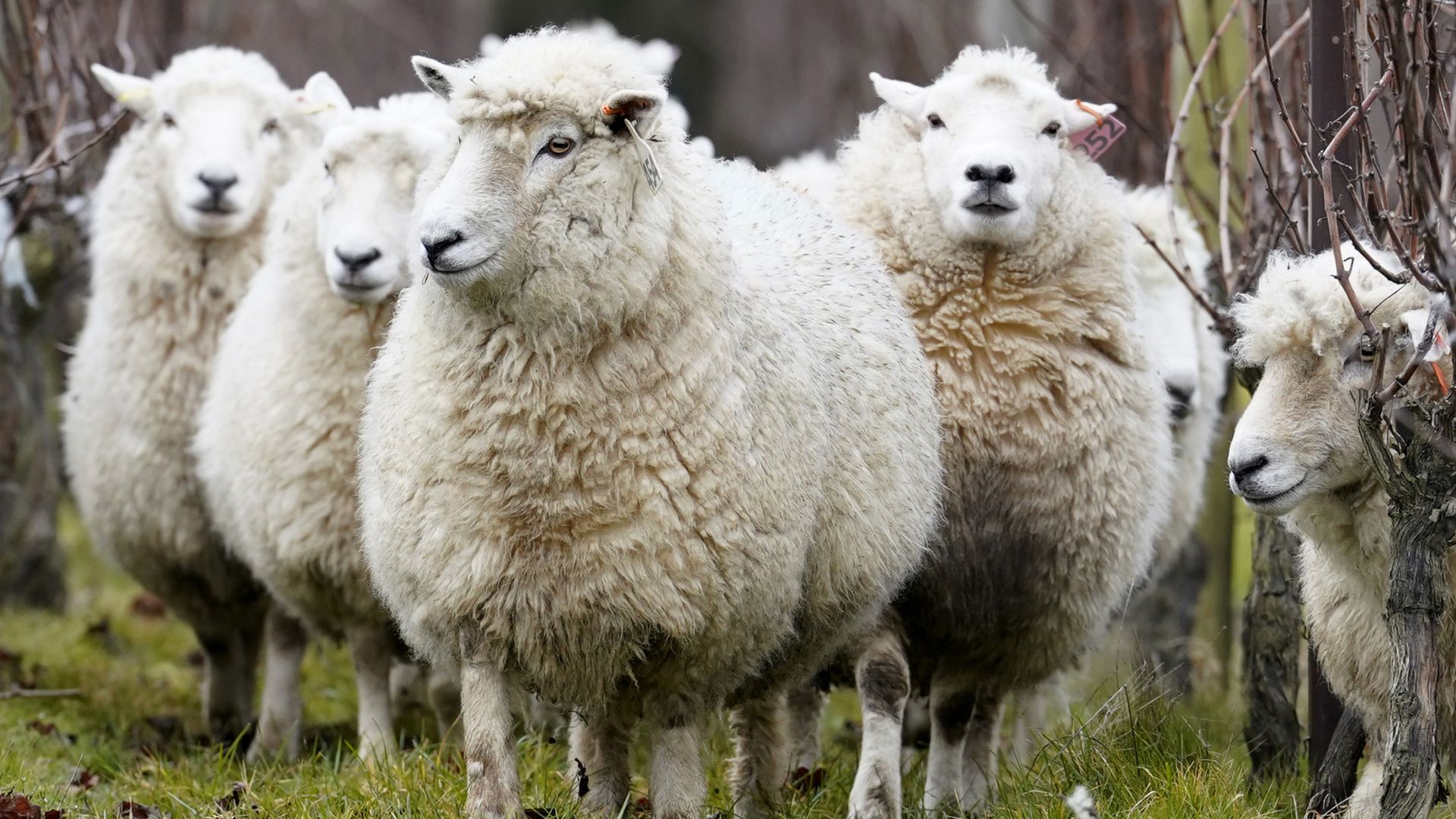
Bluetongue virus isn't knocking on the door anymore. It's already inside.
When Scotland recorded its first-ever case of bluetongue serotype 3 at Kirkmabreck Farm in Dumfries and Galloway, many hoped it was an isolated incident. That illusion shattered when a second farm in south-west Scotland tested positive, involving two sheep infected with the same strain. Now, Chief Veterinary Officer Sheila Voas and agricultural bodies are dealing with a rapidly shifting reality. Three more suspected cases are under active investigation, including one on a premises directly bordering the original outbreak and another further away in Fife.
You need to know what this means on the ground, because complacency right now is your biggest enemy.
How BTV-3 Travels Without Livestock Movements
Most people assume a new disease outbreak happens because someone bought stock from a high-risk area. In this situation, that rulebook goes out the window.
Fiona Thomson, the farmer who handled the initial case at Kirkmabreck Farm, made it clear that all their stock was purchased locally within a twenty-mile radius. Nothing came up from England, where hundreds of cases have piled up during the current season. So how did it get there?
Wind-borne midges.
The primary vector for bluetongue is the biting midge. These tiny insects can be carried across significant distances on warm air currents. Experts like Sheila Voas have pointed out that active virus presence across parts of England, Wales, Northern Ireland, and the Isle of Man creates a constant atmospheric threat. When weather patterns align, a plume of infected midges can cross borders effortlessly. You can run a closed herd or buy strictly local, and your livestock can still catch it if the wind blows the wrong way.
Recognizing the Early Warning Signs
Spotting bluetongue early is the only reason the first Scottish outbreak didn't spiral immediately. If you're waiting for textbook signs to hit your entire flock, you're already too late.
At Kirkmabreck, the alert came down to a single lamb that looked slightly off and was initially treated for basic gut problems. It didn't bounce back. During a routine veterinary check, the vet spotted ulceration inside the animal's mouth. Even though the closest official case was miles away, they did the sensible thing and reported it.
Keep an eye out for these clinical indicators in sheep, cattle, and other ruminants:
- Ulcers or raw sores inside the mouth, lips, and nose
- Excessive drooling or nasal discharge
- Swelling around the muzzle, face, and head
- Redness or inflammation of the skin just above the hoof
- Lameness or a stubborn reluctance to stand
If you see these symptoms, pick up the phone. Bluetongue is a notifiable disease, which means you're legally required to report suspected cases immediately.
The Reality of Farm Restrictions and Euthanasia
When a positive test comes back, the bureaucratic hammer drops hard. Both affected Scottish farms are currently locked under strict movement restrictions while officials test every surrounding susceptible animal.
All known infected animals have been euthanised on welfare grounds. That's a brutal pill for any stock farmer to swallow, but it's the mandatory protocol used to contain the virus before it spreads through the local midge population. Fortunately, intensive testing on the rest of Kirkmabreck's stock came back negative, allowing the unaffected animals to return to grazing while movement holds remain in place.
Even so, you shouldn't expect those restrictions to lift overnight. Authorities are moving carefully to map out whether the virus has established local circulation or if these are separate, wind-driven incursions.
Why Vaccination Is Your Best Defense Left
There's no curative treatment for bluetongue once an animal contracts the virus. Supportive care can help manage symptoms, but it won't clear the infection.
That leaves prevention as your only viable strategy. Chief Veterinary Officer Sheila Voas has repeatedly emphasized that vaccination remains the single best way to protect animals from severe illness and death. If you haven't talked to your vet about BTV-3 vaccines, you need to make that call today.
Check your local risk tier, review your biosecurity measures, and don't assume your geography protects you. Scotland's buffer is gone, and keeping your livestock safe depends entirely on how fast you spot the signs and how proactively you vaccinate.