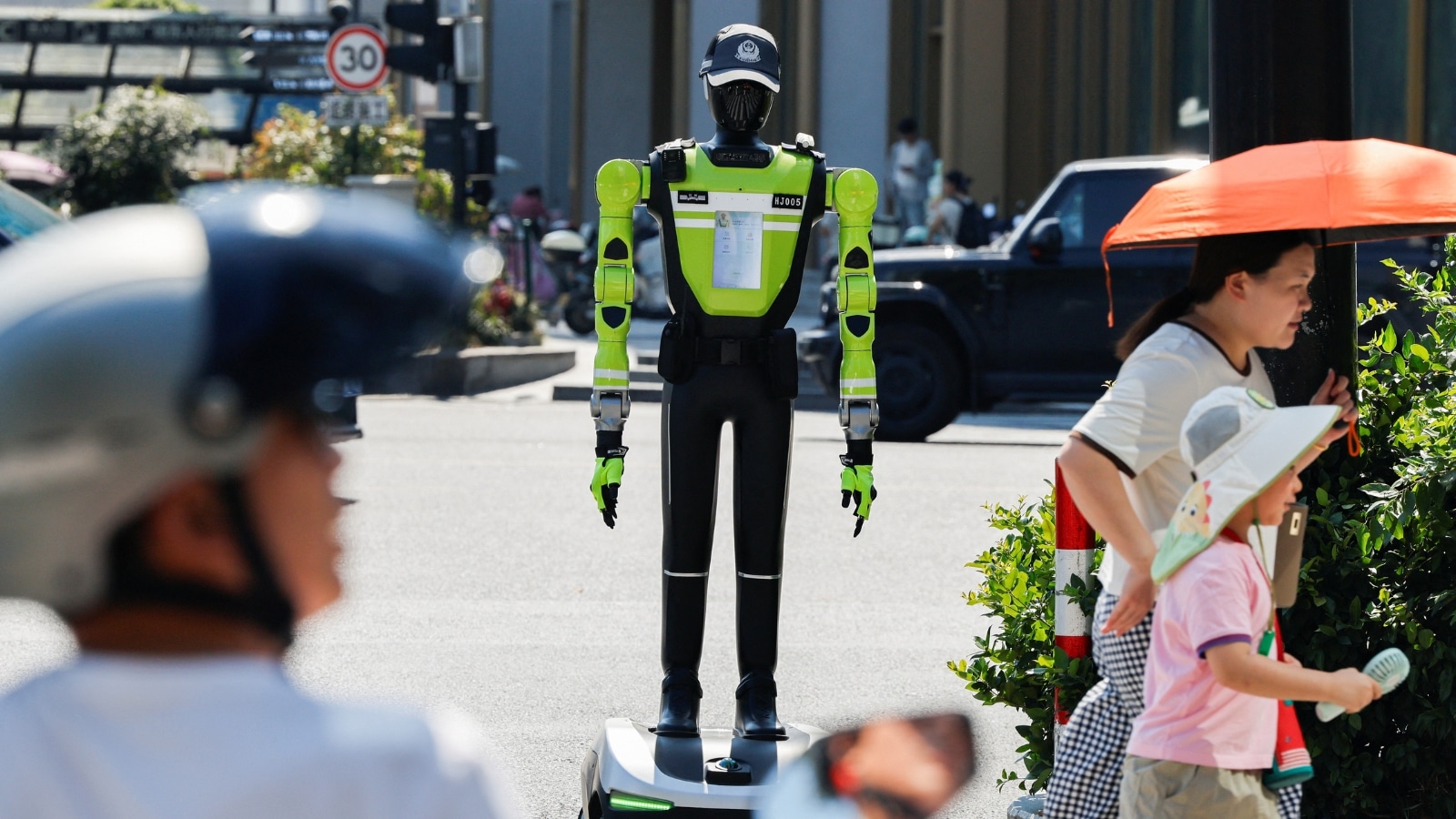
Robots belong in classrooms. At least, that is what tech enthusiasts keep promising us.
When schools roll out telepresence units, they look like the future. A student stuck at home with a chronic illness gets a physical proxy. They can spin around, raise a virtual hand, and chat with classmates. It sounds like a heartwarming breakthrough. Then reality hits. The plug gets pulled. Why does this happen? You might also find this related coverage insightful: Why A Cheap Navy Logistics Ship is the Most Expensive Mistake in Defense History.
Let's look at what actually happens when robots enter a real school.
The Promise Versus the Playground
Telepresence machines are essentially tablets on motorized Segway-style bases. They cost thousands of dollars. Companies market them as the ultimate equalizer for homebound kids. But schools are chaotic, loud, and unpredictable environments. As extensively documented in recent reports by Mashable, the implications are widespread.
Take the case of Sally the Robot in New York. The setup was supposed to let a sick student participate in daily lessons. Instead, administrative friction, privacy anxieties, and physical logistics got in the way.
Most people blame the technology. They think the Wi-Fi dropped or the battery died. Those issues happen, sure. But the real failure points are human.
Privacy Panic in the Hallway
Classrooms are private spaces, legally speaking. When you introduce a camera that streams live audio and video to a remote living room, red flags fly everywhere.
Teachers worry about surveillance. Parents of other children worry about consent. Are kids being recorded without permission? Can the remote student peer into corners of the room where sensitive conversations happen?
Schools move slowly. Risk management teams get involved. Before long, the liability concerns outweigh the noble intentions.
The Isolation Trap
Here is the irony nobody talks about. Telepresence gear is supposed to cure loneliness. Often, it highlights it.
Sitting behind a glowing screen while your classmates whisper jokes you can't quite hear is tough. You miss the non-verbal cues. You can't join the spontaneous soccer game at recess. You are a ghost in the machine.
Sometimes, kids get tired of operating a clumsy joystick. Teachers forget to angle the camera toward the whiteboard. The novelty wears off fast.
What Actually Works Now
If you want to keep homebound students connected, don't rely on expensive robotic gimmicks. Standard video conferencing tools, paired with a dedicated aide or an engaged classmate holding a laptop, often perform better. They are familiar. They don't break down in the middle of a math test.
Technology should solve problems, not create new ones for administrators to panic over.
Keep it simple. Focus on human connection first, gadgets second.