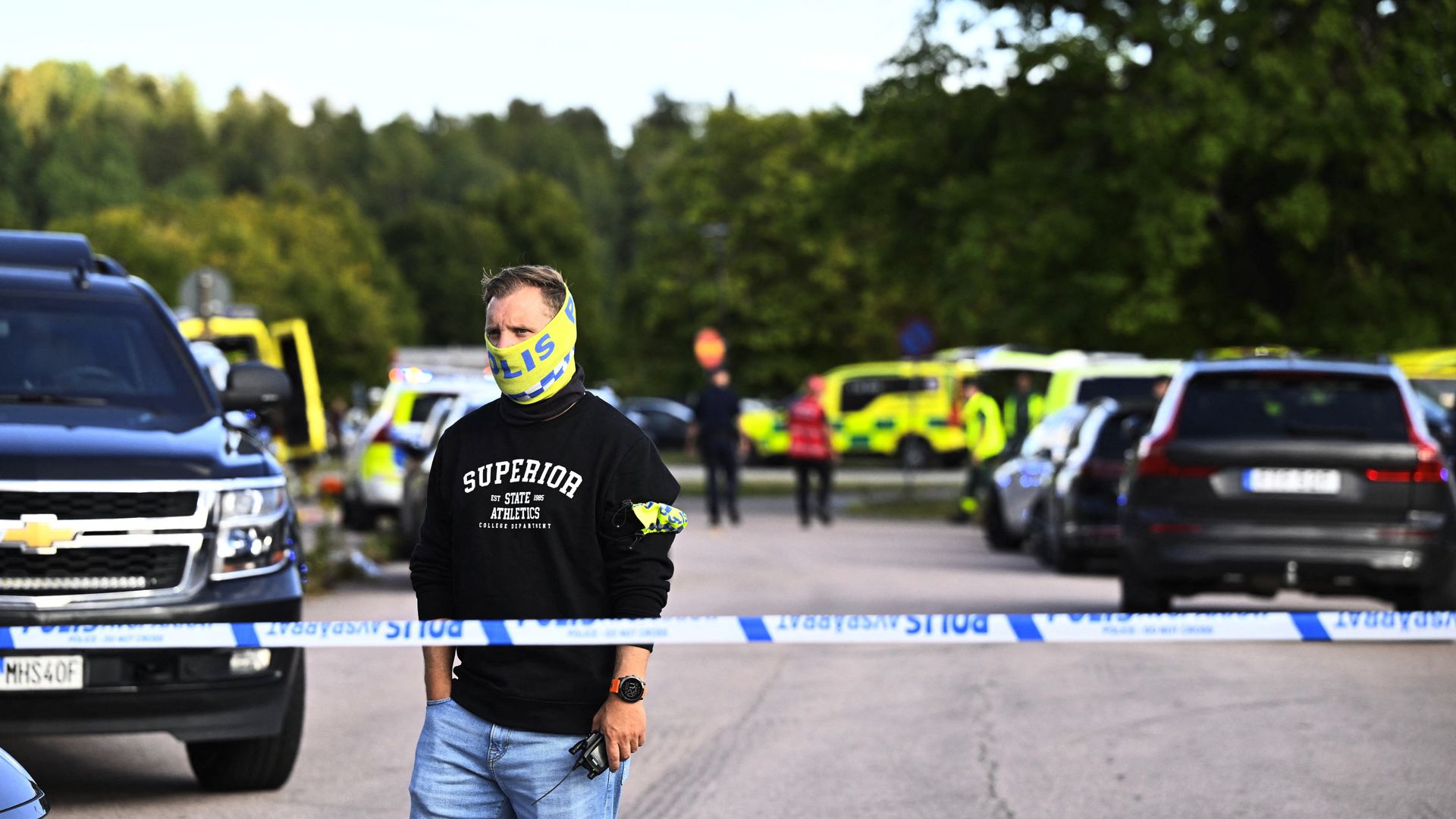
Violent crime inside Scandinavian educational facilities used to feel unthinkable. Then reality struck hard in places like Fagersta, where a sword-wielding attacker targeted Brinellskolan, leaving teenagers with severe injuries just as the autumn term got underway. When headlines report that teenagers have been rushed to hospital in serious condition following a targeted assault, shockwaves ripple far beyond a single municipality. People ask how an assailant with a blade managed to breach a campus. They wonder why warning signs were missed.
Sweden isn't the idyllic, immune society that old stereotypes suggest anymore. High-profile tragedies at educational sites across the country—from Malmo to Orebro and Trollhattan—prove that violence has evolved. Understanding these incidents requires looking past the immediate panic and examining the institutional blind spots that allow troubled individuals to slip through the cracks of the social welfare system.
The Reality Behind Campus Security Deficits
Most Nordic schools pride themselves on open environments. They feature accessible community spaces, welcoming entryways, and a cultural trust that discourages heavy-handed policing. That openness comes at a steep price. When an 18-year-old former student or an outside agitator walks through the front doors carrying a weapon, that architectural and cultural transparency transforms into a vulnerability.
You can't secure a modern campus with locked doors alone. Staff members are educators, not tactical security personnel. When local authorities in Fagersta locked down surrounding schools and scrambled emergency services, it exposed a reactive scramble rather than a proactive defense. Critics often point out that threat assessments fail because local agencies don't share data effectively. If a young person has a history of violent behavior or mandatory care interventions, that history shouldn't vanish simply because they changed status or left the institution.
Spotting the Warning Signs Before Tragedy Strikes
People always look for a simple motive after an attack occurs. Was it bullying? Was it radicalization? Was it untreated mental illness? The truth is rarely neat. Perpetrators often leave digital footprints—such as alarming posts on platforms like TikTok or encrypted messaging apps—hours before they strike.
Investigative reports often reveal that classmates or online peers saw disturbing content beforehand. They didn't always report it because teenagers struggle to distinguish between dark humor, edgelord posturing, and genuine threats of mass violence. When a threat is posted online, the lag time between discovery by peers and action by law enforcement creates a dangerous window of vulnerability.
Law enforcement agencies across Europe are grappling with how to monitor digital spaces without violating privacy laws. Yet, ignoring clear red flags because of bureaucratic red tape guarantees more bloodshed.
Fixing a Broken Support System
Securing schools requires an uncomfortable pivot toward stricter protocols, tighter access control, and better mental health interventions. Throwing money at post-attack crisis counseling doesn't heal wounded teenagers or bring back a sense of safety.
Communities must demand transparent risk evaluations for young offenders who re-enter civilian life after compulsory care programs. If society fails to track high-risk individuals, schools become ground zero for failures in the mental health and penal systems. Protecting students means accepting that the old ways of managing campus safety are obsolete, and relying on hope is no longer a viable strategy.