The persistent whispers in Tyneside and the corridors of the Premier League suggest a cooling of interest from Riyadh, but Eddie Howe’s public insistence that the Saudi Arabian Public Investment Fund (PIF) remains fully committed isn't just manager-speak. It is a calculated defense of a project hitting its first major wall. The core premise remains intact: the Saudi owners want to win. However, the mechanism for that success has shifted from the brute force of a checkbook to a grueling battle against Profit and Sustainability Rules (PSR).
Newcastle United is currently navigating a period of forced austerity that stands in stark contrast to the unlimited-wealth narrative that followed the 2021 takeover. The ambition has not shrunk, but the runway has narrowed. To understand why Howe is spending more time talking about balance sheets than box-to-box midfielders, one has to look at the tightening knot of English football's financial regulations and the geopolitical pivot of the PIF itself.
The Myth of the Cooling Interest
Critics point to the lack of a "marquee" signing in recent windows as evidence that the Saudi interest is waning. This is a fundamental misunderstanding of how the PIF operates. They do not lose interest; they recalibrate. The initial burst of spending—bringing in the likes of Bruno Guimarães, Alexander Isak, and Sven Botman—was the "stabilization phase." It pulled the club from the brink of relegation into the Champions League.
The current phase is far more difficult. It involves the painstaking process of growing commercial revenue to match the "Big Six" while under the microscope of rival clubs who have successfully lobbied for tighter restrictions on associated party transactions. Every sponsorship deal Newcastle signs with a Saudi-linked entity is now scrutinized, slowed, and often devalued by independent assessments. This is the friction that Howe is currently feeling.
When Howe speaks of the owners' "unchanged desire," he is referencing the long-term infrastructure. The training ground upgrades and the stadium expansion feasibility studies are moving forward. These are capital expenditures that do not count against PSR, allowing the owners to pump money into the club without hitting the ceiling that limits player wages and transfer fees. The money is there, but the "spend" is being diverted into brick and mortar rather than attacking wingers.
The PSR Trap and the Sales Necessity
For decades, the path to the top of the Premier League was simple: find a billionaire, spend until you win, and let the trophies pay off the debt. Chelsea did it. Manchester City did it. Newcastle arrived at the party just as the door was being bolted shut.
The club’s most recent financial accounts showed a loss of £73.4 million for the 2022-23 season. While this was expected, it placed the club on a collision course with the league’s three-year loss limit of £105 million. This forced the unthinkable: the sale of promising youngsters like Yankuba Minteh and Elliot Anderson during the summer of 2024. These weren't tactical decisions. They were accounting necessities.
The Accounting Behind the Pitch
In football accounting, if you buy a player for £50 million on a five-year contract, his "cost" on the books is spread out at £10 million per year (amortization). However, if you sell a homegrown player for £30 million, that entire amount is registered as pure profit instantly.
- Amortization: Spreading the transfer cost over the contract length.
- Homegrown Profit: 100% immediate gain on the books.
This creates a perverse incentive where clubs must sell their future to pay for their present. Howe’s challenge is managing a squad that knows its best assets might be sacrificed at the end of every June to satisfy a spreadsheet. The frustration in the dugout is palpable because the manager is being asked to compete with the elite while his hands are tied by regulations that his predecessors never had to face.
A Change in the Riyadh Playbook
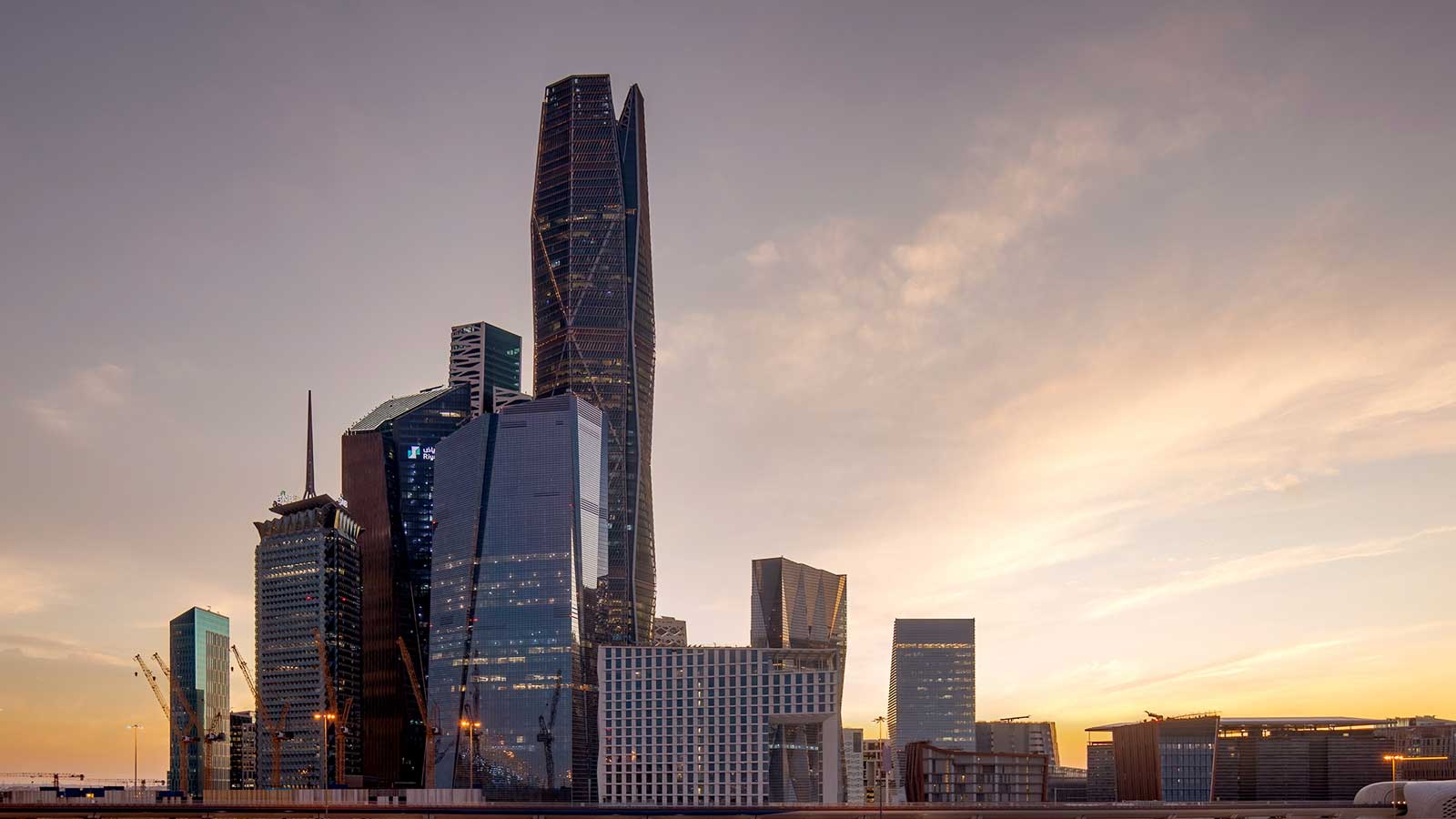
While the commitment to Newcastle remains, the broader strategy of the PIF has evolved. In 2021, Newcastle was the crown jewel of their sports portfolio. Today, they are balancing the LIV Golf project, a massive domestic league overhaul in the Saudi Pro League (SPL), and the preparations for the 2034 World Cup.
There is a burgeoning realization in Riyadh that the Premier League will not allow Newcastle to "buy" the league in the same way the SPL has bought aging superstars. This has led to a more disciplined, corporate approach. The PIF is no longer looking for a quick ego boost; they are looking for a sustainable asset. They want Newcastle to be self-sufficient.
This shift is hard for a fanbase that was promised the world. The "richest club in the world" tag has become a millstone around Newcastle’s neck. It inflates the price of every player they scout and emboldens every selling club to demand a "Saudi tax." Howe has to navigate this inflated market with a budget that is ironically more restricted than many of the clubs sitting below them in the table.
The Tension Between Manager and Board
The arrival of Paul Mitchell as Sporting Director marked a turning point in the club's internal power dynamics. In the immediate post-takeover era, Howe had a significant say in recruitment. He was the architect of a squad built on high-intensity, "intensity is our identity" football.
Now, there is a clear separation of powers. The boardroom is looking at 2030, while Howe is looking at the next match. This tension is healthy in a normal business, but in the hyper-pressurized environment of the Premier League, it can lead to stagnation. The failure to land Marc Guéhi in the summer window was a public display of this new, disciplined approach. The board refused to overpay, even though the manager clearly felt the player was the missing piece of his defensive puzzle.
Howe is essentially a "company man" who is starting to feel the limits of the corporate structure. He must maintain the morale of a squad that has seen very little reinforcement, while the owners maintain a "no-overpay" policy that protects the club's long-term PSR standing but hampers its short-term competitive edge.
Overlooked Factors in the Newcastle Growth Plan
While the focus is often on the "ins," the "outs" are where Newcastle’s true test lies. The club’s wage-to-turnover ratio is a looming shadow. To bring in world-class talent, they have to move on from the high earners of the previous regime and even some of the first-wave takeover signings who have reached their ceiling.
- Commercial Revenue Lag: Newcastle’s commercial income is growing, but it still pales in comparison to Manchester United or Liverpool. Until that gap is closed, the transfer spend will remain throttled.
- Squad Depth and Fatigue: Without the ability to buy a "second XI" of equal quality, the high-pressing style Howe demands leads to injury crises. We saw this clearly in the 2023-24 season.
- The Champions League Catch-22: You need the revenue from the Champions League to buy players, but you need the players to qualify for the Champions League.
The Reality of the "Unchanged Desire"
When Eddie Howe says the owners' desire is unchanged, he is technically correct. The end goal—dominating English and European football—remains the North Star for the PIF. But the path they thought they would take has been demolished by the Premier League's legislative response to their arrival.
The Saudi owners are not backing away; they are digging in for a siege. They are fighting legal battles over sponsorship rules and building a global commercial operation from scratch. This isn't the romantic, "blank check" takeover the fans imagined. It is a cold, calculated, and often frustrating corporate climb.
The danger for Newcastle is not that the owners will leave, but that the "middle-class" of the Premier League—Aston Villa, Brighton, and Tottenham—have become much better at navigating this regulated landscape. Newcastle is no longer the only disruptor in town. They are just the most scrutinized one.
The club is currently at a stalemate. The owners have the wealth, the manager has the vision, but the rules have the power. To break this deadlock, Newcastle doesn't just need better players; they need a total transformation of their commercial identity. They need to prove they can generate "clean" money as fast as they can spend it. Until then, Howe will continue to be the public face of a billionaire project that is currently operating on a millionaire's budget.
The ambition is alive, but it is currently a prisoner of the ledger.