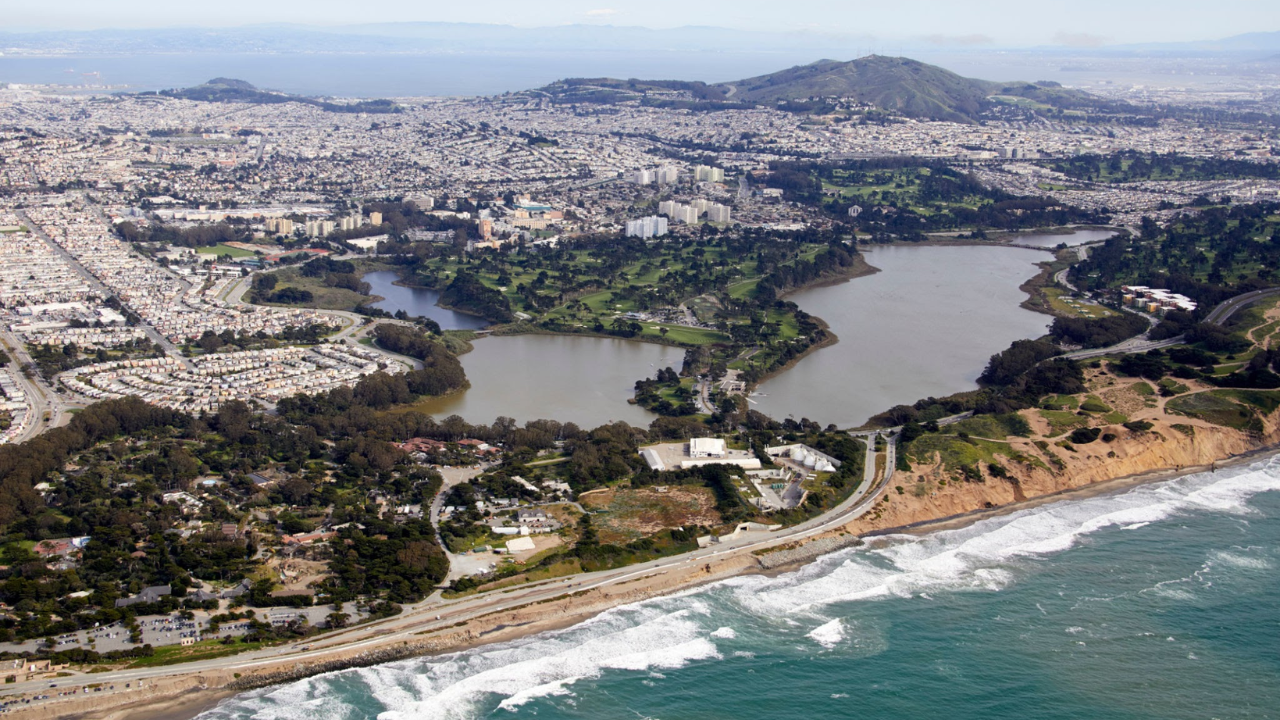
Progress in San Francisco usually arrives wrapped in zoning permits, environmental impact reports, and the quiet death of old traditions. Back in 1934, a recreational shooting spot opened on 9.5 acres beside San Francisco’s Lake Merced. For eighty-one years, the Pacific Rod and Gun Club served as a social anchor for hunters, sporting clay enthusiasts, and local residents who liked the smell of gunpowder mixed with coastal fog. Then, in 2015, it shut down forever.
Most people look at that closure as a simple victory for environmental cleanup or public park expansion. They are missing the entire point.
The story of the Lake Merced Gun Club isn't just about a local shooting range losing its lease. It is a cautionary tale about how urban growth, shifting political tides, and environmental liabilities collide to erase a city's quirky, old-school identity. If you want to understand how modern San Francisco reshapes its public spaces, you have to look at what happened to those 9.5 acres by the water.
The Golden Era of the Pacific Rod and Gun Club
Let us be real about what the club was. Founded during the Great Depression, the Pacific Rod and Gun Club wasn't an underground militia hideout. It was a mainstream community hub. Families spent weekends there. Police officers trained on its ranges. Local politicians rubbed shoulders with working-class enthusiasts who just wanted to practice trap and skeet shooting without driving an hour out to the suburbs.
The location itself was iconic. Nestled right beside the western edge of Lake Merced, the club offered a startling contrast of wilderness and city limits. You could hear the crack of shotguns echoing across the water while commuters drove past on Brotherhood Way.
For decades, the city government welcomed them. San Francisco leased the land to the club, recognizing it as a legitimate recreational outlet. Membership meant access to safety classes, competitive shooting events, and a tight-knit social club that felt miles away from downtown.
Cities change. Tastes change. Most importantly, land values and environmental regulations change.
Lead, Water, and the Inevitable Collision
You cannot shoot millions of lead pellets into the dirt and water for eight decades without leaving a mark. That is the hard truth that club leadership eventually had to face.
By the early 2000s, environmental groups and local watchdogs started paying close attention to Lake Merced. Testing revealed significant lead and polycyclic aromatic hydrocarbon contamination in the soil and the lake sediments adjacent to the shooting stations. Water quality advocates raised alarms. They pointed out that Lake Merced was a precious urban freshwater resource, once used for drinking water and still heavily stocked for fishing.
The club tried to adapt. They instituted cleanup measures, conducted environmental assessments, and proposed remediation plans. But the handwriting was on the wall. Public sentiment had shifted dramatically. A gun club sitting on prime public waterfront real estate became an easy target for activists and politicians looking to greenwash the city's western flank.
The San Francisco Public Utilities Commission, which owned the land, watched the legal battles and mounting cleanup estimates pile up. Remediation costs were projected in the millions. The political cost of renewing a lease for a shooting range in a progressive stronghold like San Francisco was even higher.
In October 2015, the lease expired. The city declined to renew it. The gates locked. The shotguns went silent.
What Replaced the Ranges
Closing a facility is easy. Cleaning up the mess and deciding what to do next takes years.
After the club was evicted, the site sat in a bureaucratic purgatory. Environmental remediation studies dragged on. The city faced the staggering bill of scraping up decades of lead toxicity. Proposals floated around for walking trails, native habitat restoration, and park expansions that would tie into the larger Lake Merced recreation network.
If you walk past the old site today, you see a fenced-off landscape of potential and bureaucracy. Nature is slowly reclaiming the acreage. Brush is thickening where trap houses once stood. The rustic clubhouse structures have weathered under the marine layer, stripped of their purpose.
Critics of the closure argued that the city lost a valuable, irreplaceable piece of its recreational fabric. They noted that safe, regulated spaces for shooting sports are vanishing across the Bay Area, forcing enthusiasts to travel vast distances or give up the hobby entirely.
Supporters of the shutdown argued the opposite. They claimed public land next to a drinking water reservoir should never have been used for an activity that deposits heavy metals into the ecosystem. They saw the return of the acreage to public hands as a long-overdue correction.
Both sides have valid points. But the deeper lesson is about how cities handle their own history.
The Real Legacy of Lake Merced
San Francisco loves to reinvent itself. In the process, it often bulldozes the messy, complicated spaces that don't fit into the current aesthetic of tech wealth and pristine eco-parks.
The 81-year run of the Lake Merced Gun Club proves that urban institutions are fragile. No matter how long you have occupied a piece of dirt, urban proximity means your lease is always temporary. When land gets expensive enough and public opinion turns hostile enough, history doesn't protect you.
If you are researching the history of San Francisco's open spaces, don't just read the glossy press releases about habitat restoration. Look at the friction. Look at the clubs, the leases, and the communities that were pushed out to make room for the next iteration of the city.
The shotguns are gone from Lake Merced. The lead is slowly being scrubbed from the dirt. The 9.5 acres remain, waiting for whatever Sanfranciscans decide to build on top of yesterday's memories.