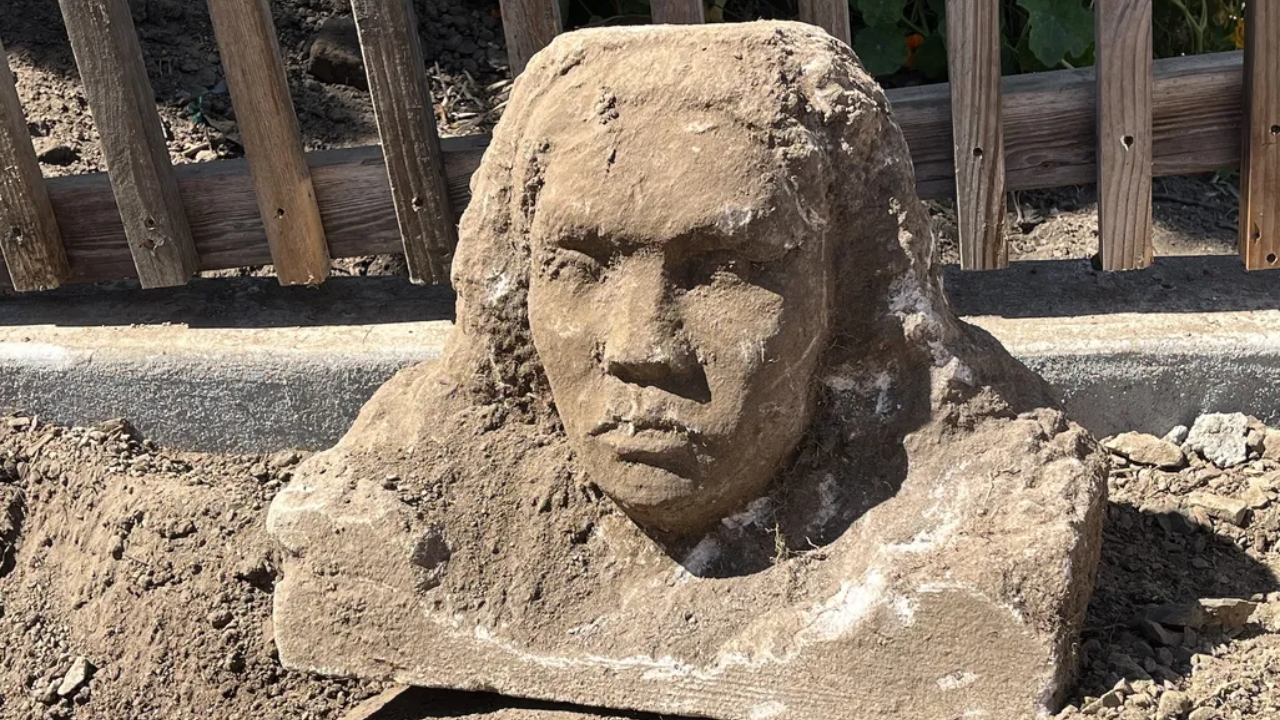
A San Francisco resident struck metal while turning over dirt in a residential yard, unearthing a piece of municipal history that prompts a hard look at the city's buried past. Most property owners in the Bay Area assume the earth beneath their manicured lawns or concrete patios is inert dirt and standard utility lines. They are wrong. Underneath thousands of Victorian-era neighborhoods, sand dunes, and infill zones lies a literal stratification of discarded history.
Property renovations in dense urban centers frequently trigger unexpected encounters with municipal infrastructure, abandoned cisterns, and artifacts from the Gold Rush era. Understanding why these objects remain hidden beneath private backyards requires examining how San Francisco grew outward by burying its past.
The Geography of Infill and Land Reclamation
San Francisco did not always look the way it does today. Before the 1850s, the eastern shore featured a jagged coastline characterized by tidal marshes, shallow coves, and steep hills. As the city expanded during the gold rush, maritime vessels were abandoned in the shallow mud, and hills were literally washed into the bay using high-pressure water cannons.
This process, known as hydraulic mining debris redistribution, reshaped the waterfront. Entire neighborhoods now rest on top of sunken ships, construction debris, and unsorted earth.
When a backyard gardener strikes a hard object three feet down in districts like the Mission or SoMa, they are often hitting the original shoreline grade or structural remnants from nineteenth-century fill operations. The city grew upward and outward with staggering speed, prioritizing rapid habitation over methodical grading or historical preservation. Trash pits, known as privies, were routinely backfilled with household refuse, broken dishware, and architectural salvage before being covered over for future street grids and residential lots.
Navigating Local Ordinances When Finding Historical Artifacts
Discovering unusual objects on private land triggers a complex web of local, state, and federal regulations. Many property owners assume that whatever rests under their fence line belongs strictly to them. California property law generally grants landowners ownership of subsurface minerals and physical items attached to the land, but exceptions exist for human remains, archaeological sites, and historic artifacts.
- The Antiquities Act and State Protections: Public lands carry strict federal protections regarding archaeological finds, but private property laws offer broader latitude to owners. However, if human remains are uncovered, all digging must halt immediately under California Health and Safety Code.
- The Coroner Notification Mandate: Law enforcement must be notified instantly if bones or burial markers appear. This is not just a legal formality; historical cemeteries were frequently relocated, paved over, or forgotten during San Francisco's frantic nineteenth-century expansion.
- City Record Cross-Referencing: Municipal building permits dating back to the late 1800s can often explain what stood on a specific parcel before modern tract housing or multi-family flats were constructed.
The Archaeology of Domestic Waste
Urban archaeologists look at backyard trash pits with profound reverence. Before municipal garbage collection became standardized in the twentieth century, households dug deep pits in their yards to dispose of glass bottles, animal bones, ceramics, and daily refuse. These domestic dumps serve as time capsules that reveal the dietary habits, economic status, and consumer preferences of early San Francisco settlers.
A single broken medicine bottle can trace back to a specific apothecary operating during the 1906 earthquake. Ceramic sherds stamped with Staffordshire pottery marks tell stories of global trade networks operating out of the port long before modern container ships dominated the Pacific.
Homeowners who unearth these deposits often view them as nuisances or hazards to landscaping projects. In reality, these fragments represent the unvarnished daily existence of the working-class families who built the city's industrial foundation.
The Impact of the 1906 Earthquake and Fire
No discussion of San Francisco subterranean anomalies is complete without factoring in the catastrophic events of April 1906. The earthquake and subsequent fires destroyed over twenty-eight thousand buildings, reducing entire neighborhoods to ash and rubble.
Rather than hauling all debris to distant landfills, municipal authorities and desperate citizens often buried damaged masonry, charred timbers, and personal belongings right where they fell. Lots were leveled over the debris fields, and new structures were erected directly on top of the ruined foundations of the past.
This practice explains why utility workers and homeowners frequently encounter burned layers of soil and melted glass just beneath the topsoil across large swaths of the city. The ground remembers what the official histories gloss over. The landscape is a physical archive of destruction and renewal, compressed into vertical layers of earth that homeowners disturb every time they plant a tree or pour a new foundation.
Urban Development Realities
Modern real estate development in San Francisco operates under tight economic constraints. Contractors racing against high interest rates and strict municipal timelines have little incentive to pause operations for historical fragments unless legally mandated.
When an excavator hits unexpected concrete foundations or buried timber bulkheads from an old wharf, the immediate response is typically removal and disposal rather than preservation. This dynamic creates an ongoing tension between heritage conservation and urban density.
Homeowners undertaking DIY landscaping projects face similar choices. Documenting a find, contacting local historical societies, or notifying municipal archives takes time and delays backyard improvements. Yet discarding a cache of nineteenth-century artifacts without context destroys a piece of the puzzle that explains how a small tent city transformed into a global metropolis. The dirt beneath our feet is finite, and once disturbed without a record, its secrets are lost permanently to the landfill.