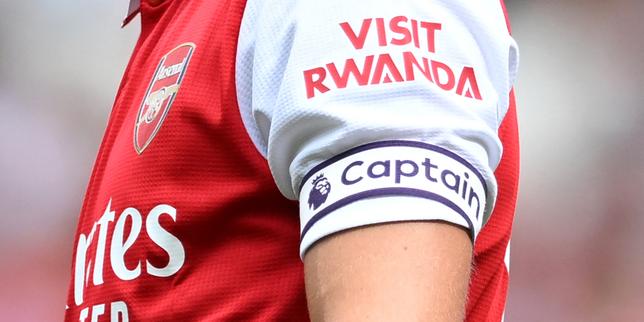
When the referee blows the whistle for the Champions League semi-finals, the focus usually lands on the tactical genius of the managers or the individual brilliance of the world’s most expensive strikers. But in the 2023-2024 season, a different kind of victor emerged from the tunnel. Visit Rwanda, the tourism branding arm of a landlocked East African nation, secured a presence that money alone rarely buys. By appearing on the kits of both Paris Saint-Germain (PSG) and Arsenal, the brand transformed from a simple sleeve sponsor into a geopolitical and economic case study. This wasn't just a marketing win. It was a masterclass in using European football as a high-stakes billboard for national rebranding.
The math of sports sponsorship is notoriously fickle, yet Rwanda’s play is surgical. Most nations chase "soft power" through vague cultural exports. Rwanda, instead, chose the most tribal and dedicated audience on the planet: football fans. By embedding themselves into the fabric of two of the most popular clubs in the world, they bypassed traditional travel advertising. They didn't just buy an ad. They bought a seat at the table of European elite society.
The Logic of the Double Play
Sponsoring one club is a gamble. Sponsoring two that regularly reach the deep knockout stages of the Champions League is a diversified portfolio. When PSG and Arsenal both advanced to the quarter-finals and pushed toward the semi-final stage, the "Visit Rwanda" logo didn't just gain impressions. It gained legitimacy.
The brand presence on the PSG training kit and the Arsenal sleeve creates a psychological loop for the viewer. If you watch the Premier League on Saturday and Ligue 1 on Sunday, the message is consistent. This repetition is designed to erode the historical baggage often associated with the region. It replaces images of 1994 with images of Kylian Mbappé and Bukayo Saka. The return on investment here isn't measured in ticket sales alone, but in the shift of a nation's "brand equity" on the global stage.
Breaking the Traditional Tourism Model
Traditional tourism boards spend their budgets on glossy magazine spreads or thirty-second television spots during the evening news. These are passive. Football is active. It is emotional. When a fan sees their hero wearing a brand during a high-tension moment—like a last-minute winner in a semi-final—that brand inherits a fraction of that positive emotion.
Rwanda’s strategy relies on the fact that the Champions League is the most-watched annual sporting event globally. The reach extends far beyond London or Paris. It hits markets in Asia, North America, and the rest of Africa. For a country aiming to become a luxury travel hub and a tech center, this global visibility is a shortcut. They aren't waiting for people to discover them; they are inserting themselves into the most popular conversation on Earth.
Critics often point to the cost of these deals, which are estimated in the tens of millions of dollars. However, the Rwandan government reports that the revenue generated from tourism has surged since these partnerships began. In 2023, tourism revenues reportedly climbed to over $600 million, a significant jump that the government directly links to increased visibility from the PSG and Arsenal deals. This is not "sportswashing" in the traditional sense used for oil states; it is an aggressive economic pivot.
Why Football Fans Are the Primary Target
Football fans are notoriously loyal, but they are also digital natives. The Visit Rwanda campaign thrives because it translates perfectly to social media. When PSG posts a video of a training session, the logo is there. When Arsenal celebrates a goal on Instagram, the logo is there.
The Digital Ripple Effect
- Social Media Impressions: Every time a star player posts a photo in kit, the brand reaches millions of followers instantly.
- Broadcast Visibility: Unlike pitch-side LED boards that rotate every thirty seconds, the sleeve sponsor stays on camera for the duration of the broadcast.
- Merchandise Sales: Thousands of fans buy and wear the jerseys, turning themselves into walking advertisements for Rwandan tourism.
This level of saturation is impossible to achieve through standard commercial buys. It requires a deep integration into the lifestyle of the consumer.
The Risks of High Visibility
No strategy is without its friction. When a nation-state enters the arena of elite sports, it invites intense scrutiny. Human rights organizations and political analysts often use these sponsorship milestones to highlight the gap between the polished "Visit Rwanda" aesthetic and the domestic political reality. This is the trade-off. You get the eyeballs of the world, but you also get their magnifying glass.
For Rwanda, the gamble is that the economic gains—the hotels built, the flights booked to Kigali, the foreign investment—will outweigh the diplomatic headaches. The "twelfth man" in the semi-finals isn't just a cheerleader; it is a sophisticated economic engine that understands the power of the beautiful game to mask, or at least distract from, complex regional politics.
The Infrastructure of a Brand Revolution
The partnership goes beyond the jersey. It includes coaching clinics, "Rwanda Week" events in European capitals, and the development of local football infrastructure. This creates a narrative of mutual growth. Arsenal and PSG aren't just taking the money; they are participating in a story of African development.
This narrative is crucial for the "Visit Rwanda" brand. It positions the country as a partner rather than just a client. In the boardroom, this distinction matters. It makes the partnership more resilient to political shifts and ensures that when the Champions League anthem plays, the brand feels like a natural part of the scenery rather than an interloper.
Economic Diversification Through Sport
Rwanda is a country with limited natural resources compared to some of its neighbors. It cannot rely on oil or vast mineral wealth to drive its GDP. It must rely on services, technology, and tourism. In this context, the millions spent on Arsenal and PSG are not a luxury; they are a capital investment.
Think of it as a startup spending its first round of funding on a massive marketing blitz to capture market share. Rwanda is the startup, and the Champions League is the marketplace. By the time the final whistle blows on the season, the goal isn't just to have seen a good game of football. The goal is to ensure that when a high-net-worth traveler thinks of their next safari or business conference, the name "Rwanda" is the first one that comes to mind, etched there by the sheer frequency of seeing it on the world's biggest stage.
The success of this model is already being mimicked. Other emerging economies are looking at the "Rwanda Model" and realizing that a sleeve on a Premier League shirt is worth more than a hundred billboards in Times Square. The competition for these spots is only going to get fiercer, and the prices will continue to skyrocket.
The End of the Accidental Tourist
The era of a country being discovered by accident is over. In the modern economy, visibility is manufactured. Rwanda’s presence in the Champions League semi-finals is the definitive proof that sports sponsorship is no longer about the game; it is about the geography of influence.
The next time you see that logo during a tense VAR review or a trophy lift, recognize it for what it is. It is not just a travel ad. It is a nation-state asserting its right to be seen, heard, and visited, one ninety-minute match at a time. The real victory isn't on the scoreboard. It is in the fact that you are thinking about Rwanda at all while watching a game played in London or Paris.
That is the ultimate branding goal, and in the 2023-2024 season, Rwanda didn't just participate. They won.