Don't buy into the headlines just yet. When Alexander Gintsburg, the head of Russia’s Gamaleya Center, recently announced that the country's existing Ebola vaccine could likely protect against the deadly new outbreak in central Africa, it sounded like a massive victory for global health. The reality on the ground is far more complicated, and honestly, a bit more dangerous than a simple medical triumph.
We are currently watching a public health emergency of international concern unfold in the Democratic Republic of Congo (DRC) and Uganda. The culprit isn't the classic Zaire strain of Ebola we usually hear about. It's the Bundibugyo strain. It's rare, highly lethal, and currently lacks any approved targeted vaccine or therapy. While Russian health officials are aggressively pushing their existing shot as a quick fix, independent scientists are raising major red flags about relying on unproven data during an active crisis.
The Problem with the Sixty Percent Solution
The core of Russia’s claim rests on genetic math. According to the Gamaleya Center, the genetic similarity between their approved vaccine strain—which targets the Zaire variant—and the circulating Bundibugyo strain sits somewhere between 60% and 70%. Gintsburg argues that this cross-reactivity means medical workers and high-risk populations should roll up their sleeves for the Russian shot right now.
In the world of virology, a 60% genetic match is a massive gamble.
Immunology isn't a game of horseshoe where getting close counts. A structural difference in a single viral surface protein can mean the difference between strong protection and absolute vulnerability. The Gamaleya Center openly admits they haven't run a single efficacy test against this specific pathogen. They don't even have a physical sample of the Bundibugyo strain in their Moscow labs.
Recommending a vaccine based purely on theoretical genomic alignment is incredibly risky. If you tell frontline health workers they're protected when they aren't, you inject a false sense of security into a zone where a single mistake leads to a horrific hemorrhagic death.
What is Happening in Central Africa
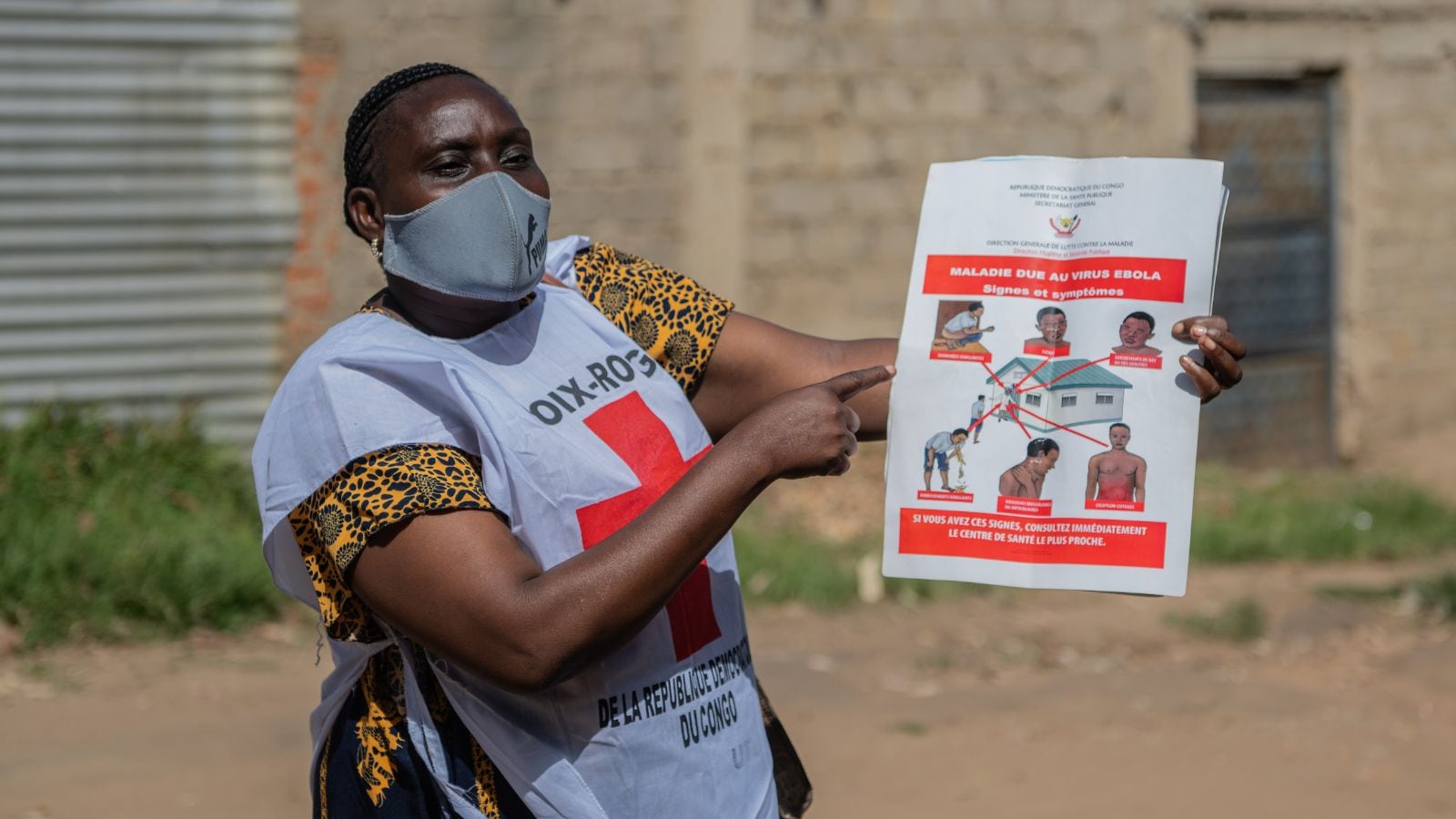
To understand why this political posturing matters, look at the actual numbers coming out of central Africa. The epicentre in the Ituri province of the DRC is seeing a devastating spike. Local health services started flagging unusual deaths earlier this month, and the situation exploded.
We are looking at over 500 suspected cases and more than 130 deaths in the region. Uganda just confirmed multiple new cases, including a health worker and a cross-border driver. The World Health Organization rated the regional risk as very high.
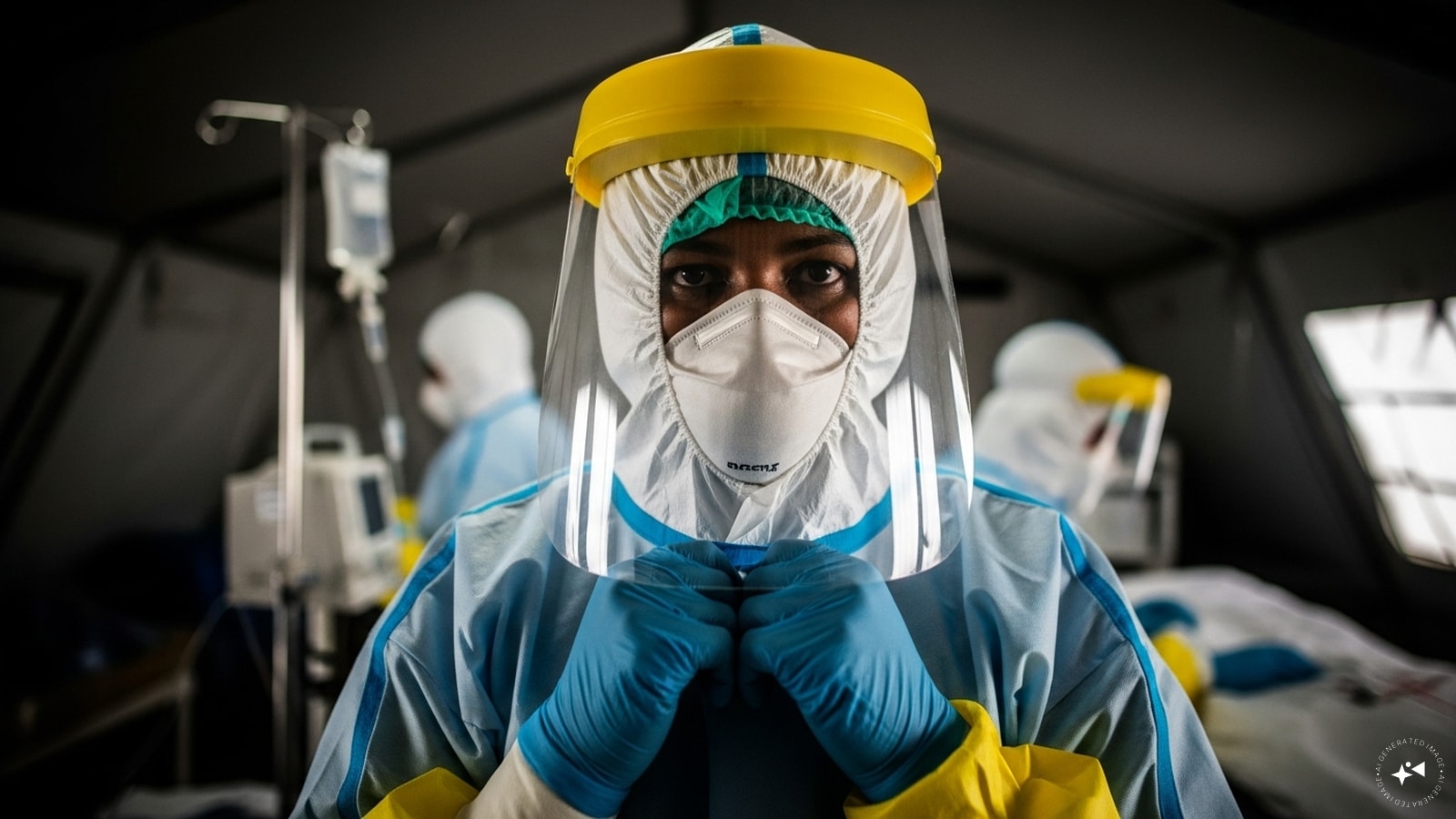
Ebola doesn't behave like respiratory bugs. It doesn't hide behind asymptomatic spread. It hits hard, causes profound systemic failure, and spreads through direct contact with bodily fluids. The silver lining is that it's easier to track and isolate because patients get visibly, violently ill. The dark side is that without an effective vaccine, containment relies entirely on strict isolation, flawless personal protective equipment, and tracing every single human contact.
Global Vaccine Pipelines Play Catch-Up
Russia isn't the only player trying to solve this. They are, however, the most vocal about using unverified shortcuts. Russian Health Minister Mikhail Murashko has already engaged in talks with the WHO to ship diagnostic kits and vaccine doses to the DRC and Uganda.
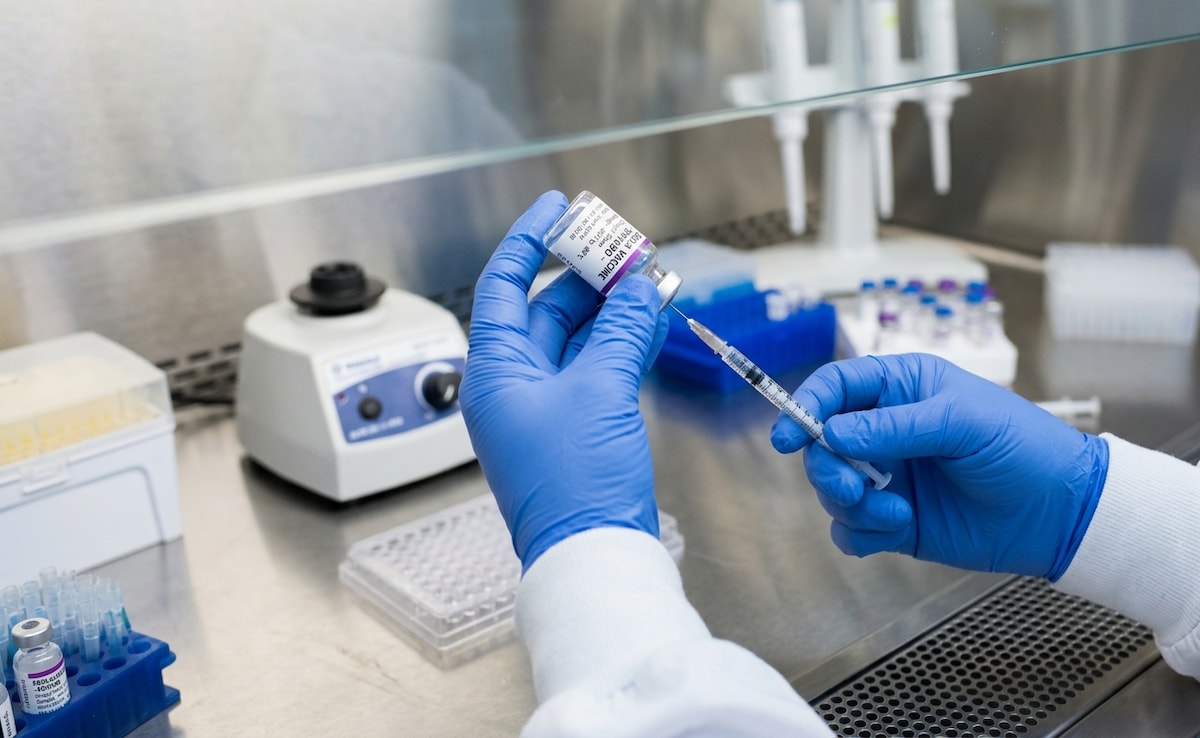
Meanwhile, actual tailored research is moving through traditional, safer channels. Scientists at Oxford University are working to adapt the viral vector platform used in their successful Covid immunizations to target the Bundibugyo strain specifically. This Oxford effort could have trial-ready doses on the ground within two to three months, though animal efficacy data is still pending.
Concurrently, Imperial College London is running human clinical trials on a self-amplifying RNA (saRNA) platform designed to tackle Ebola, Marburg, and Lassa viruses simultaneously. These platforms represent actual long-term solutions, not stopgap measures based on assumptions.
Even the WHO is hesitant about Russia's sudden offer. While they are preparing for clinical trials in the DRC, top officials stress that the final choice of which molecules and shots to deploy hinges on rigorous reviews, not press releases.
The Geopolitical Side of Global Health
You can't separate Russia's vaccine declarations from its broader foreign policy strategy in Africa. Moscow has spent the last few years aggressively expanding its footprint across the continent through security pacts, mining concessions, and diplomatic outreach.
Offering a ready-made medical shield during a terrifying hemorrhagic fever outbreak is a classic soft-power play. If Russia delivers millions of doses to the DRC, it secures massive diplomatic leverage. It positions itself as a benevolent savior where Western institutions might look slow or bureaucratic.
Using an unverified vaccine to score geopolitical points risks backfiring spectacularly. If the vaccine fails to protect African doctors and nurses on the front lines, it won't just ruin Russia's scientific reputation. It will destroy local trust in vaccination campaigns for a generation, making future outbreaks even harder to control.
If you are tracking this outbreak, look past the bold assertions of breakthroughs. Watch the actual clinical trial approvals from independent African regulatory bodies and the WHO. True protection requires hard data, isolated virus strains, and transparent peer review. Anything less is just a gamble with human lives.