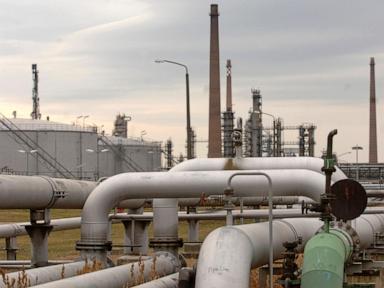
Slovakia just got its oil back. After a tense standoff that threatened to choke the country’s energy supply, crude is moving through the Druzhba pipeline once again. This isn't just a minor logistics fix. It’s a massive geopolitical headache that shows exactly how messy European energy independence really is. You’d think years of sanctions would have cut these ties for good. They haven't.
The flow stopped because of a legal and political mess involving Lukoil, a major Russian producer. Ukraine tightened its sanctions on the company, effectively blocking their molecules from crossing the border. But Slovakia and Hungary didn't just sit back. They pushed for a deal that basically swaps who owns the oil the moment it hits the Ukrainian border. Now, the Hungarian energy giant MOL Group takes ownership before the oil travels through the "hot zone." It’s a clever legal workaround. It’s also a stark reminder that Central Europe is still tethered to Moscow by a steel pipe. You might also find this related article interesting: The Heartbreaking Reality of the Jordan Road Fire and What Surviving Loss Actually Looks Like.
The Druzhba Loophole and Why It Exists
The Druzhba pipeline isn't your average piece of infrastructure. Built during the Soviet era, its name literally means "Friendship." Right now, that name feels like a dark joke. The southern branch of this network feeds refineries in Slovakia, Hungary, and the Czech Republic. These countries aren't just being stubborn. They’re landlocked. Unlike Germany or Poland, they can't just pull a tanker up to a pier and call it a day.
When the EU started slapping sanctions on Russian oil, these nations fought for—and won—an exemption. They argued their economies would collapse without this specific grade of Urals crude. The refineries themselves, like Slovnaft in Bratislava, are built specifically to process Russian oil. You can't just flip a switch and run Brent or WTI through those machines without expensive, time-consuming upgrades. As highlighted in detailed coverage by TIME, the effects are worth noting.
Slovnaft has spent millions trying to diversify, but it takes time. A lot of it. They've managed to process some Adriatic blends coming up through the Adria pipeline from Croatia, but the volume and the chemistry aren't a perfect match yet. So, when Ukraine blocked Lukoil, it wasn't just a political statement. It was a direct threat to the fuel pumps in Bratislava.
How the Deal Actually Works
The new arrangement is basically a game of "not it." Previously, Lukoil owned the oil until it reached the refineries. This made the oil "Russian property" while it transited Ukraine. By blacklisting Lukoil, Kyiv made that transit illegal under their domestic law.
Under the new contract, MOL Group—which owns the Slovnaft refinery—buys the oil at the Belarus-Ukraine border. The moment it enters the pipe in Ukraine, it’s technically Hungarian/Slovakian property. Ukraine gets its transit fees. Russia gets its export revenue. Slovakia gets its diesel. Everyone wins, except perhaps those hoping for a total energy embargo on the Kremlin.
It’s a pragmatic, if cynical, solution. Ukraine is in a bizarre spot here. They’re fighting a war against Russia while simultaneously collecting fees to move Russian products to Europe. They need the money, and they need to keep their European allies happy. If Slovakia’s economy tanks because of a fuel shortage, the political appetite for sending weapons to Kyiv might vanish overnight. That's the leverage Robert Fico’s government used.
The Reality of Central European Energy
Don't let the resume of flows fool you into thinking things are back to normal. The energy security of the region is paper-thin. Depending on a pipeline that runs through a literal war zone is a gamble every single day. We've seen "accidental" damage to infrastructure before. We've seen "maintenance issues" used as political blackmail.
Slovakia uses about 5.5 million tons of crude a year. Most of that comes through Druzhba. While they’ve increased imports via the Adria pipe, that route has its own problems. It’s more expensive. The transit fees charged by Croatia are notoriously high. There are also physical limits on how much oil that pipe can actually carry.
Why Slovakia Can't Just Quit
- Refinery Chemistry: Urals crude is "sour," meaning it has high sulfur content. Refineries are tuned to this. Switching to "sweet" oil reduces efficiency and can damage equipment if not managed carefully.
- Logistics: The Adria pipeline is the only real alternative, and it's already running near capacity.
- Price: Russian oil often trades at a discount because of the sanctions. For a small economy, that price gap is the difference between stable inflation and a cost-of-living crisis.
What Happens When the Contract Ends
The current transit agreement between Russia and Ukraine expires at the end of 2024. That’s the real cliff edge. While this Lukoil deal fixes the immediate "ownership" problem, it doesn't guarantee the pipe stays open once the broader contract dies.
European officials are already scrambling. There are talks about bringing in Azeri oil to fill the pipes, or using a middleman like Azerbaijan to "re-brand" the gas and oil so it’s legally palatable. It’s all a shell game. The physical oil is still coming from the same fields in Siberia.
If you're looking for a clean break, you won't find it here. This deal is a band-aid on a gunshot wound. It keeps the lights on and the cars moving for now, but it deepens the moral and political complexity of the conflict. Slovakia’s government is betting that physical reality beats political ideology every time. So far, they’re right.
If you're tracking energy prices or European stability, watch the Adria pipeline expansion. That's the only way out for Bratislava. Until that pipe can handle 100% of the country's needs, the "Friendship" pipe remains a leash. Check the latest transit fee disputes between Hungary and Croatia. That's where the next bottleneck will happen. Stop expecting a total shutoff. Expect more of these messy, backroom legal swaps. It’s how the world is actually running right now. Keep your eye on the storage levels in Western Slovakia. If those dip despite the flows, we've got a much bigger problem than just a legal dispute.