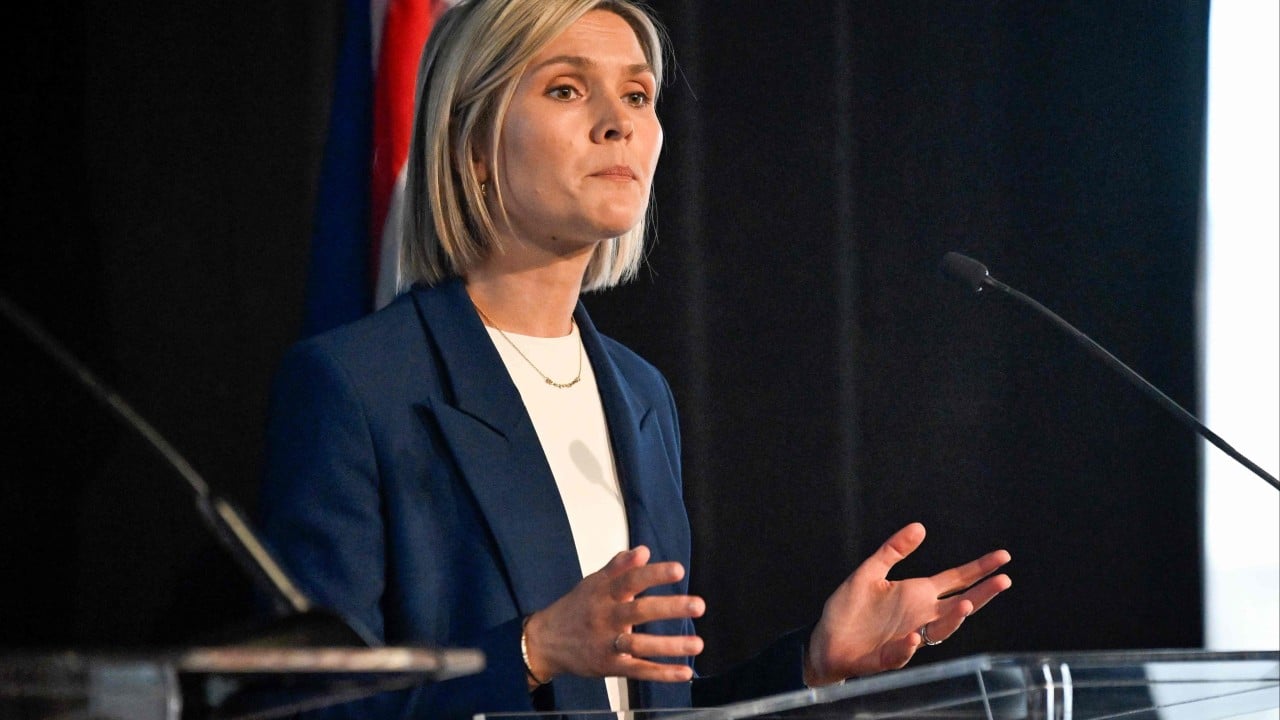
When pro-Kremlin hardliners start shouting about atomic weapons on state television, the rest of the world tends to hold its breath. Aleksey Zhuravlev, a senior Russian parliamentarian and leader of the Motherland party, recently went on record demanding that Moscow hit Ukraine with tactical nuclear weapons. His reasoning? He claims it is the only way to force a rapid capitulation and break the prolonged military stalemate.
This kind of rhetoric is not entirely new, but it surfaces with predictable frequency whenever Russian forces face battlefield frustrations or diplomatic deadlocks. Understanding why these chilling threats keep returning requires looking past the blustering headlines and examining the actual state of the conflict.
The Real Drivers Behind Nuclear Saber-Rattling
Talk of using tactical nuclear weapons usually spikes when conventional military plans stall. After years of grinding warfare that has drained resources, the Russian leadership faces mounting domestic and economic strain. High-profile figures like Zhuravlev use extreme threats to project an image of absolute strength, domestic unity, and unyielding resolve.
Figures within the nationalist wing often argue that conventional strikes on infrastructure are not enough to bend Kyiv's will. By openly debating the taboo subject of nuclear escalation on public broadcasts, they attempt to normalize the idea for the domestic audience. They want citizens to view apocalyptic weapons as a standard military tool rather than an unthinkable humanitarian catastrophe.
Why Actual Use Remains Constrained
Despite the high-decibel threats from political agitators, a massive chasm exists between television rhetoric and military execution. Major international players, including Beijing and New Delhi, have drawn clear red lines against any atomic escalation. China, in particular, views the preservation of global non-proliferation norms as vital to its own economic stability. A nuclear strike by Moscow would instantly alienate these critical remaining trade partners, plunging Russia into complete diplomatic isolation.
Military analysts also point out that tactical nuclear weapons offer limited practical value on a dispersed, modern battlefield. They carry severe risks of radioactive blowback that could easily contaminate Russian troops and territory.
Reading Between the Lines of Kremlin Strategy
The constant repetition of nuclear threats serves a psychological function rather than a tactical one. It is designed to exhaust Western resolve and panic international audiences into scaling back military aid to Kyiv. Recognizing this pattern helps strip away the panic-inducing veneer of these announcements. They reflect deep-seated anxiety and strategic exhaustion within the political elite far more than an imminent shift in military doctrine.
Keep a close eye on official Kremlin actions rather than individual lawmakers looking for media attention. Real shifts in military posture rarely get broadcasted in advance by talk show guests.
Putin's Nuclear Threat Returns! Russia Eyes 'Last Resort' Nukes As Ukraine War Escalates
This video provides additional context on the recent resurgence of nuclear threats coming out of Moscow as the conflict drags on.
http://googleusercontent.com/youtube_content/1