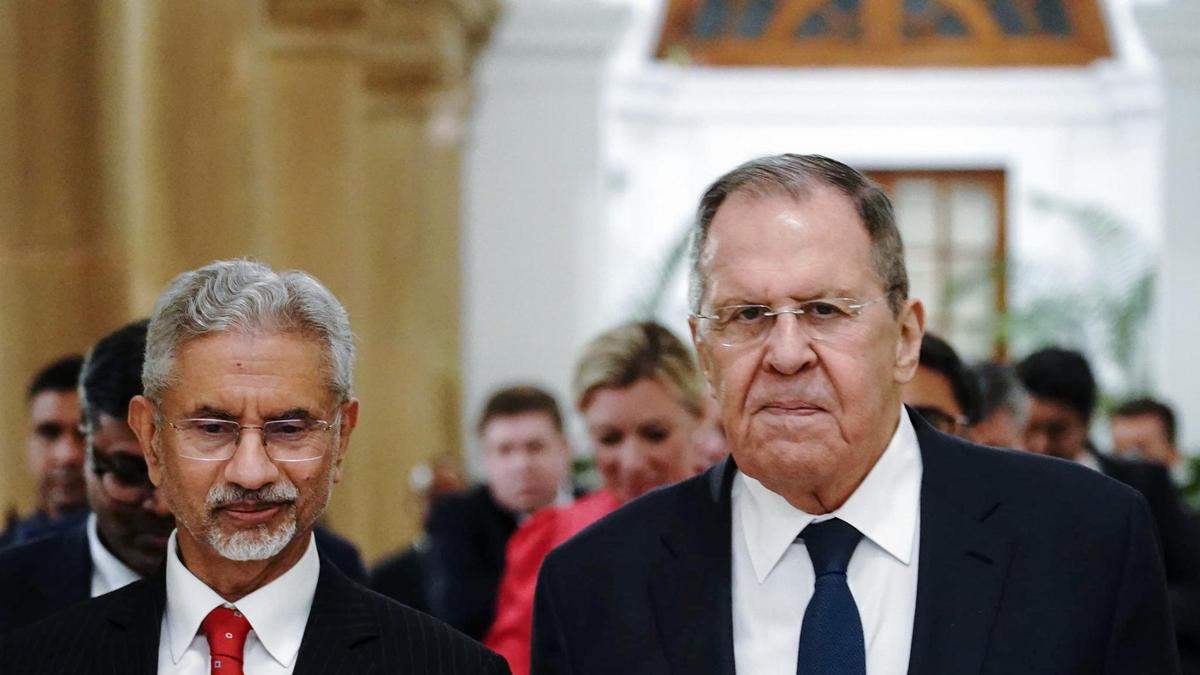
Russia's commitment to keep the lights on in India isn't just a polite diplomatic gesture. It’s a massive logistical and economic reality that shapes global power right now. When Sergey Lavrov, the Russian Foreign Minister, recently confirmed that Moscow will fulfill every single energy agreement with New Delhi, he wasn't just talking about shipping barrels of oil. He was signaling a long-term shift in how energy moves across the planet.
If you've been following the headlines, you know the West tried to squeeze Russia out of the market. It didn't work. India didn't just stay the course; they doubled down. This isn't because of some sentimental bond from the Cold War era. It’s about cold, hard numbers. India needs cheap, reliable fuel to power its massive manufacturing push and its growing middle class. Russia has that fuel and needs a buyer who won't flake when Washington gets grumpy.
Why the Russia India Energy Link Is Unbreakable
Most people think this is just about "cheap oil." That’s a surface-level take. The real story involves infrastructure, long-term contracts, and a mutual refusal to let external sanctions dictate domestic policy. Russia is now India’s top oil supplier, accounting for nearly 40% of its total imports. Think about that for a second. In just a few years, they went from a minor player to the most important energy partner on the subcontinent.
Lavrov's recent statements emphasize that these aren't just spot-market deals. We’re talking about multi-year agreements that include liquefied natural gas (LNG), coking coal for India’s steel industry, and even nuclear energy cooperation. The Kudankulam Nuclear Power Plant is a prime example. Russia isn't just selling fuel; they’re building the very reactors that will power Tamil Nadu for decades.
The Logistics of Bypassing Sanctions
How do they actually get the oil there without getting blocked? This is where things get interesting. You might have heard of the "shadow fleet"—thousands of older tankers that operate outside of Western insurance and shipping circles. While the media loves to paint this as something shady, from New Delhi’s perspective, it’s just essential logistics.
India has been very clear. They’ll buy from whoever offers the best deal for their people. S. Jaishankar, India’s External Affairs Minister, has repeatedly told the world that his duty is to the Indian consumer, not to European geopolitical goals. By using non-Western currencies—like the Rupee-Ruble mechanism, though it’s had its hiccups—and working with non-G7 shipping firms, Russia and India have built a parallel energy economy.
More Than Just Crude Oil
While crude gets the most clicks, the diversifying of this "energy basket" is the real story. India is the world’s second-largest steel producer. To make steel, you need coking coal. Russia has massive reserves in its Far East region, and India has been steadily increasing imports from there. It’s a perfect match.
Then there’s the Arctic. Russia is opening up the Northern Sea Route. They want Indian investment in Arctic oil and gas fields like Vostok Oil. If India gets a stake in the production side, they aren't just customers anymore—they’re owners. That changes the power dynamic entirely.
Debunking the Dependency Myth
Critics often claim India is becoming "too dependent" on Russia. That’s a bit of a stretch. India is a master of multi-alignment. They buy from the US, they buy from the Middle East, and they buy from Russia. They’re playing the field to ensure no single country can ever pull the plug on their economy.
Actually, Russia is the one that needs India just as much. With European markets largely closed off, Russia needs a massive, growing economy to absorb its exports. This gives India incredible leverage. They aren't just taking whatever Russia gives them; they’re negotiating hard on prices and demanding that Russia reinvest its Rupee surpluses back into the Indian economy.
Challenges in the Rupee-Ruble Trade
It hasn't been all smooth sailing. One big problem is the trade imbalance. Russia sells way more to India than it buys. This leaves Russia with billions of Indian Rupees that they can’t easily spend elsewhere. You can't exactly use Rupees to buy electronics from China or gear from Turkey.
To fix this, both nations are looking at investing those Rupees into Indian infrastructure projects and manufacturing. It's a work in progress, but the intent is there. They’re also looking at using the UAE Dirham or the Chinese Yuan as an intermediary currency for settlements. It's messy, but when there's billions of dollars on the line, people find a way to make it work.
The Nuclear Factor
Don't overlook the nuclear side of things. Russia’s Rosatom is the only foreign company currently building nuclear plants in India. While American and French firms have been stuck in legal and liability limbo for years, the Russians are actually pouring concrete and finishing reactors.
This isn't just about electricity. It’s about high-tech cooperation that creates thousands of jobs and transfers critical knowledge to Indian engineers. Lavrov’s confirmation of "all agreements" includes this technical support. It’s a level of trust you don't see in standard commercial trades.
What This Means for Global Prices
When India buys Russian oil, it actually helps you, even if you’re sitting in London or New York. If India didn't buy that Russian crude, they’d have to bid against Europe and the US for Middle Eastern oil. That would send global prices through the roof.
By keeping Russian oil in the market—even if it’s redirected to Asia—India is essentially acting as a pressure valve for the global economy. It prevents a massive supply shock that would make inflation even worse than it already is.
Moving Forward with Energy Security
If you're an investor or just someone trying to understand the new world order, watch the energy corridors. The International North-South Transport Corridor (INSTC) is a project you should know about. It’s a ship, rail, and road route moving freight between India, Iran, and Russia. It cuts travel time by 40% compared to the Suez Canal route.
This isn't just a temporary workaround. It’s a permanent piece of infrastructure that will bind these economies together regardless of who is in the White House.
If you want to stay ahead of these shifts, stop looking at energy as a localized issue. It’s a global chess match. India’s priority is securing its future, and right now, that future involves a lot of Russian energy. Expect more deals, more pipelines, and more cooperation in the Arctic.
Keep an eye on the upcoming bilateral summits. Whenever the leaders meet, watch for the fine print on "technology transfer" and "joint ventures." That’s where the real long-term value sits. The era of India being a passive buyer is over. They’re now a strategic partner shaping the very market they once merely participated in.