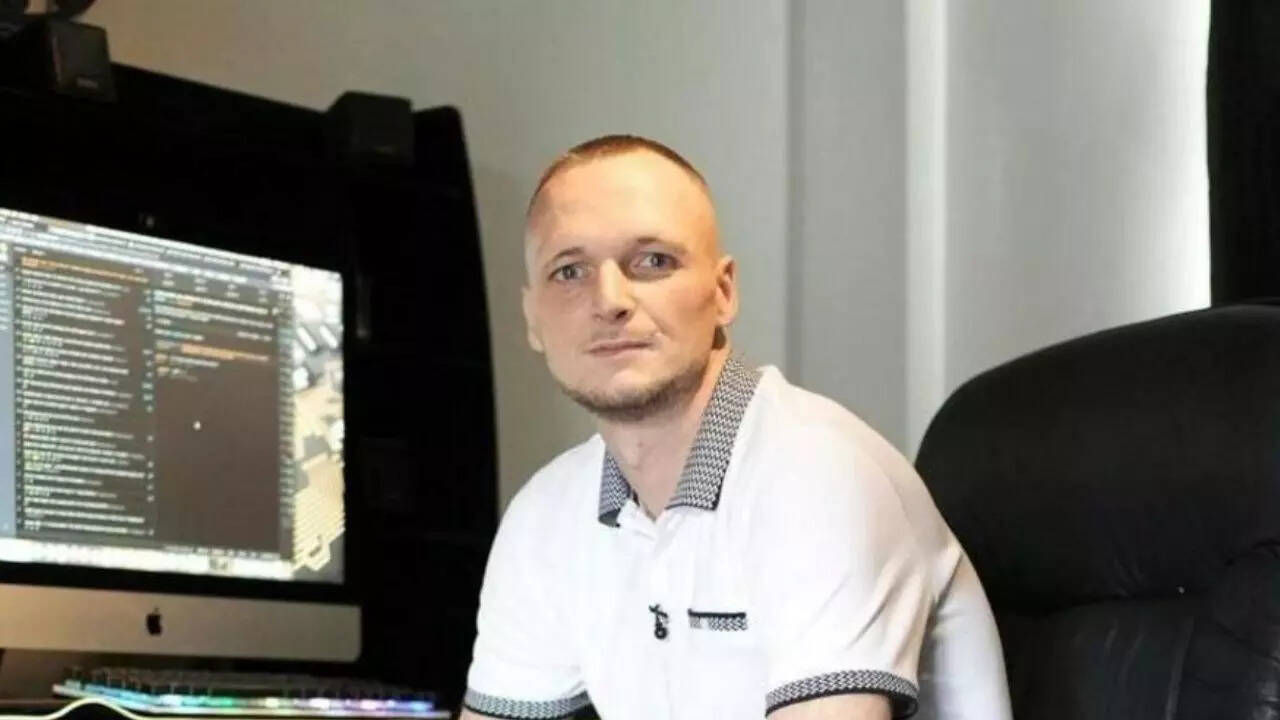
The arrest of Arnoldo Jose Bolanos, a 28-year-old Roblox programmer found in possession of a child-sized silicone doll and facing charges of continuous sexual abuse of a child, is not an isolated malfunction. It is the logical endpoint of a platform that has outsourced its safety and development to a sprawling, unregulated digital underworld. While the presence of a "life-sized" doll in a suspect’s home provides the kind of lurid detail that drives tabloid clicks, the real story lies in how the Roblox economy creates the perfect conditions for grooming, financial exploitation, and the normalization of extreme deviancy.
Bolanos was not just a player; he was a developer. In the world of Roblox, that distinction is everything. The platform operates on a model of "user-generated content," where creators build games and sell virtual items for a currency called Robux. This creates a power dynamic that is fundamentally broken. When adult developers are given the tools to manage their own mini-universes, they are granted direct, unmonitored access to a population of millions of children. The "lonely programmer" trope is a convenient mask for a much more systemic crisis of oversight.
The Myth of Moderation
Roblox claims to use a sophisticated blend of AI and human moderators to keep its 70 million daily active users safe. This is a hollow boast. The reality is that the sheer volume of content—games, chats, and asset uploads—makes manual review a mathematical impossibility. Predatory behavior on the platform rarely happens in the open. It starts in the public game lobbies and quickly migrates to third-party apps like Discord, where Roblox has zero jurisdiction and even less visibility.
The arrest of Bolanos highlights the failure of the "developer" vetting process. To become a creator on Roblox, the barriers to entry are dangerously low. There is no background check required to build a game that thousands of children might play. There is no psychological screening for individuals who will inevitably interact with minors through developer-run Discord servers or in-game "fan groups." By the time law enforcement gets involved, the damage has usually been compounded over months or years of digital grooming.
The Discord Bridge
One cannot understand the Roblox crisis without looking at Discord. It is the unofficial nervous system of the platform. Developers use Discord to coordinate projects, manage "clans," and build communities. It is also where the most toxic elements of the ecosystem thrive.
- Unmonitored DMs: Direct messaging allows adults to isolate children away from the watchful eyes of parents or platform filters.
- Status Transfers: In many Roblox communities, children are encouraged to "rank up" by performing tasks for developers, creating a culture of subservience.
- Financial Leverage: Developers who control large amounts of Robux can use that wealth as a tool for coercion, offering virtual items in exchange for photos or "favors."
This bridge between the sanitized Roblox storefront and the wild west of Discord is where men like Bolanos operate. It is a pipeline designed for exploitation, and Roblox Corporation has shown little interest in severing it because the engagement driven by these developer-led communities is what keeps their stock price afloat.
Profit Over Protection
Roblox is a multi-billion dollar entity that relies on the labor of its users. This "creator economy" is often framed as an empowering tool for young people to learn coding. In practice, it often looks like a sweatshop for minors, managed by adults who are frequently under-vetted and over-empowered.
The company takes a massive cut of every transaction—often as high as 70% after various fees. This leaves developers desperate to maximize their earnings, leading to aggressive monetization tactics that target children's impulsive nature. When the primary goal of the ecosystem is extraction, safety becomes a secondary concern. The company has historically treated safety as a PR problem to be managed rather than a structural flaw to be fixed.
The Architecture of Entrapment
The platform’s architecture itself is part of the problem. Unlike traditional social media, Roblox is an immersive, 3D environment. This immersion creates a sense of intimacy and "presence" that makes grooming more effective. When a child spends six hours a day in a virtual world managed by a specific developer, that developer becomes a central figure in their life.
They aren't just a programmer; they are a god of that world. They control the rules, the social hierarchy, and the rewards. For a predator, this level of control is a dream scenario. They don't have to go looking for victims; the victims are delivered to them by the millions, lured in by colorful graphics and the promise of social status.
Why the Silicone Doll Matters
The detail of the child-sized doll found in the suspect's home is more than just a disturbing piece of evidence. It is a physical manifestation of a psychological shift. It indicates an individual who has completely blurred the lines between the digital simulation of a child and the physical reality of one.
In many corners of the Roblox developer community, there is a subculture that fetishizes the "blocky" aesthetics of the game. This isn't just about pixels. It is about the dehumanization of the user base. When you view your audience as avatars to be manipulated for profit, it is a very short step to viewing them as objects for personal gratification.
Law enforcement officials involved in the Bolanos case have pointed to a pattern of escalating behavior. This is typical. It rarely starts with a physical crime. It starts with "harmless" jokes in a developer chat, moves to inappropriate questions in a DM, and eventually manifests in the physical world. The doll suggests a level of premeditation and fixation that should have been caught by any platform that actually cared about the psychological profile of its top contributors.
The Failure of Corporate Responsibility
Every time a story like this breaks, Roblox issues a boilerplate statement about their "commitment to safety" and how they have "no tolerance" for such behavior. These words are cheap. If the company were truly committed to safety, they would implement radical changes to their developer program.
- Mandatory Identity Verification: Every developer who earns above a certain threshold of Robux should be subject to a rigorous, recurring background check.
- External Audits: Independent safety organizations should have the power to audit the private communication channels used by top developers.
- Financial Liability: The platform should be held legally and financially responsible for crimes committed by individuals they have "verified" or promoted through their algorithm.
Instead, the company hides behind Section 230, arguing that they are merely a "platform" and not responsible for the actions of their users. This defense is becoming increasingly untenable as they continue to profit directly from the ecosystems these predators build.
The Parental Blindspot
Parents are often the last to know. They see their child playing a game that looks like digital LEGOs and assume it’s safe. They don't see the complex social hierarchies or the predatory undercurrents. They don't see the developer who is messaging their child at 2:00 AM about a "new update."
The Bolanos case should serve as a wake-up call. The "lonely programmer" isn't just a man in a room with a doll; he is a symptom of a digital economy that prizes growth above human life. The platform has built a playground and then invited the wolves to run the snack bar.
The Infrastructure of Deviance
We have to look at the tools provided to these creators. Roblox provides "Studio," a powerful engine that allows for deep customization. While this is great for creativity, it also allows for the creation of "condo" games—hidden, short-lived spaces where users engage in explicit virtual acts. While Roblox tries to play whack-a-mole with these games, they are a persistent feature of the landscape.
Developers like Bolanos understand the gaps in the code. They know how to bypass filters using "leet speak" or by embedding messages in textures that AI cannot yet read perfectly. They are engineers of exploitation. They use their technical expertise to carve out dark corners in a supposedly brightly lit world.
The arrest in Florida is just the tip of a very large, very cold iceberg. For every Bolanos who gets caught because he kept a physical doll, there are dozens more who are smarter, quieter, and more embedded in the system. They aren't just using the platform; they are helping to build it. And as long as Roblox continues to prioritize its "creator economy" over the physical safety of its users, the pipeline will remain open.
Demand more than just a deleted account and a press release. Check the logs, audit the developers, and recognize that a platform built on the unmonitored labor of adults interacting with children is, by design, a catastrophe waiting to happen.