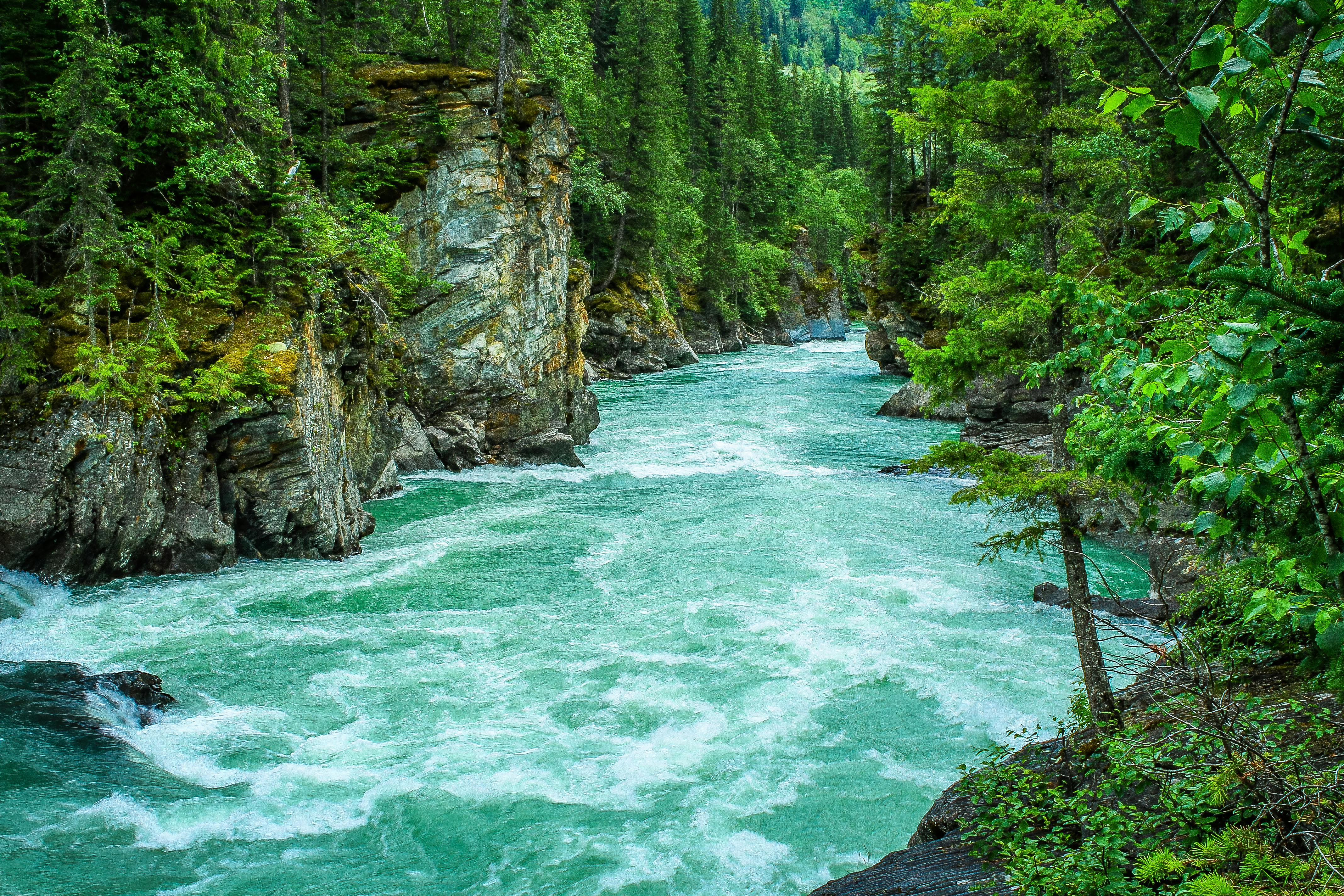
The water did not knock. It arrived as a heavy, cold weight that swallowed the doorframes before anyone could finish packing a bag.
Mud smells like ancient things. It smells like rot and iron, and when it fills a room where children slept just hours before, it stays in the timber long after the sun returns. Standing on a ruined concrete porch in the Kathmandu valley, wiping a film of silt from raw eyes, you realize how fragile the line is between a roof over your head and open sky. Monsoon rains do not care about political boundaries. They do not pause at border posts to check passports or ask for diplomatic clearance. They fall, they swell, and they take.
Yet, in the wake of catastrophic flooding that left entire neighborhoods submerged and families stranded on corrugated tin roofs, something else crossed that invisible border.
Help.
It came not as an abstract statistic on a bureaucratic ledger, but as heavy transport aircraft cutting through the grey monsoon soup, loaded with emergency supplies, medical kits, and purification tablets. For people watching the horizon from waterlogged rooftops, those engines meant survival.
Prashant Kharel knew the weight of that arrival. As a prominent figure within Nepal’s Rastriya Swatantra Party, Kharel did not hide behind polite diplomatic platitudes when assessing the disaster response. In the middle of an unprecedented crisis, diplomacy often slows down to choke on its own procedure. Bureaucracy loves paperwork. Floods do not wait for paperwork.
Publicly stepping forward, Kharel offered a blunt and striking acknowledgment: the immediate assistance provided by India during Nepal's darkest hour was not merely helpful. It was significant and essential.
Consider what those words actually mean in a region where historical tensions and geopolitical friction can easily overshadow human suffering. When disaster strikes, pride becomes a luxury for the unaffected. For the mother holding her shivering infant on a patch of high ground, it matters very little which flag is painted on the side of the helicopter dropping clean drinking water. It only matters that the blades are turning, the winch is dropping, and help has finally arrived.
Borders dissolve underwater.
This is a reality understood intimately by anyone who has lived through a major riverine flood. The Ganges, the Brahmaputra, the Koshi—these river systems do not recognize human maps. They flow from the heights of the Himalayas down through the plains, carving their own paths through nations, carrying silt and sorrow alike. When these waters overflow their banks, the disaster is shared. A flood upstream in the mountains becomes a deluge downstream in the valleys.
Because the geography is shared, the response must be shared, too.
For years, critics have watched the delicate dance of foreign policy between New Delhi and Kathmandu with skeptical eyes. Every treaty, every trade agreement, every border negotiation is scrutinized for leverage, ambition, and hidden motives. Analysts parse every sentence uttered by politicians for signs of strategic positioning.
Kharel’s candid stance cut through that dense fog of cynicism. By explicitly praising neighborly assistance, he reframed the conversation away from political chess and back toward human reality. Neighbors help neighbors. When your house is burning, you do not reject the bucket of water handed to you by someone across the fence because you had an argument over the property line last year. You take the water. You put out the fire. You survive.
The statistics of the disaster tell a grim story of displacement, destroyed infrastructure, and lost livelihoods. Roads fractured like dry clay. Bridges vanished beneath churning brown torrents. Entire agricultural seasons washed away in a single afternoon, leaving farmers staring at fields that had transformed into muddy lakes.
In such moments, local resources stretch thin. Municipal governments run out of fuel. Emergency stocks deplete within hours. State apparatuses, no matter how well-planned, often find themselves overwhelmed by the sheer scale of meteorological fury.
This is where regional solidarity ceases to be a talking point for international summits and becomes a literal lifeline.
When regional rescue teams deploy coordinated relief efforts, they bring specialized extraction gear, mobile water purification units, and medical personnel trained to handle waterborne diseases like cholera and dysentery that inevitably follow stagnant floods. These are not trivial contributions. They are the difference between a controlled crisis and a humanitarian catastrophe.
To ignore this cooperation in favor of narrow nationalist posturing is a dangerous game. It risks turning human tragedy into a political weapon. Kharel’s recognition of India's rapid deployment of resources signaled a mature departure from that trap. It acknowledged a fundamental truth about modern disaster management: isolationism is a fatal strategy in an age of intensifying climate volatility.
Weather patterns are shifting. The monsoons are growing more erratic, more violent, and far less predictable. Meteorological data points toward a future where extreme weather events will test the resilience of South Asian infrastructure year after year. If every nation tries to face these recurring megastorms alone, the human toll will mount to unbearable heights.
Real resilience requires structural integration. It requires pre-positioned supply lines, shared hydrological data, and mutual trust built before the clouds gather. When politicians like Kharel speak openly about the necessity of neighborly assistance, they are laying the groundwork for that trust. They are building bridges out of honesty, replacing the ones washed away by the current.
Down by the riverbanks, the water is finally receding.
The mud remains, thick and grey, coating the foundations of ruined homes and ruined lives. Families are shoveling out their living rooms, stacking water-logged belongings by the roadside, and trying to figure out how to rebuild from zero. It is exhausting, backbreaking work that leaves calloused hands blistered and aching.
Yet, as the sun breaks through the lingering humidity, glinting off the metal roofs of newly delivered relief tents, there is a quiet stubbornness in the air. People are talking, sharing steaming cups of tea brewed over portable stoves, and looking toward the future not with despair, but with a hard-earned clarity.
The rivers will rise again next year. The monsoons will return. But as long as neighbors can look across the border, see a fellow human in peril, and send help before the water reaches the roof, the story does not end in the mud.