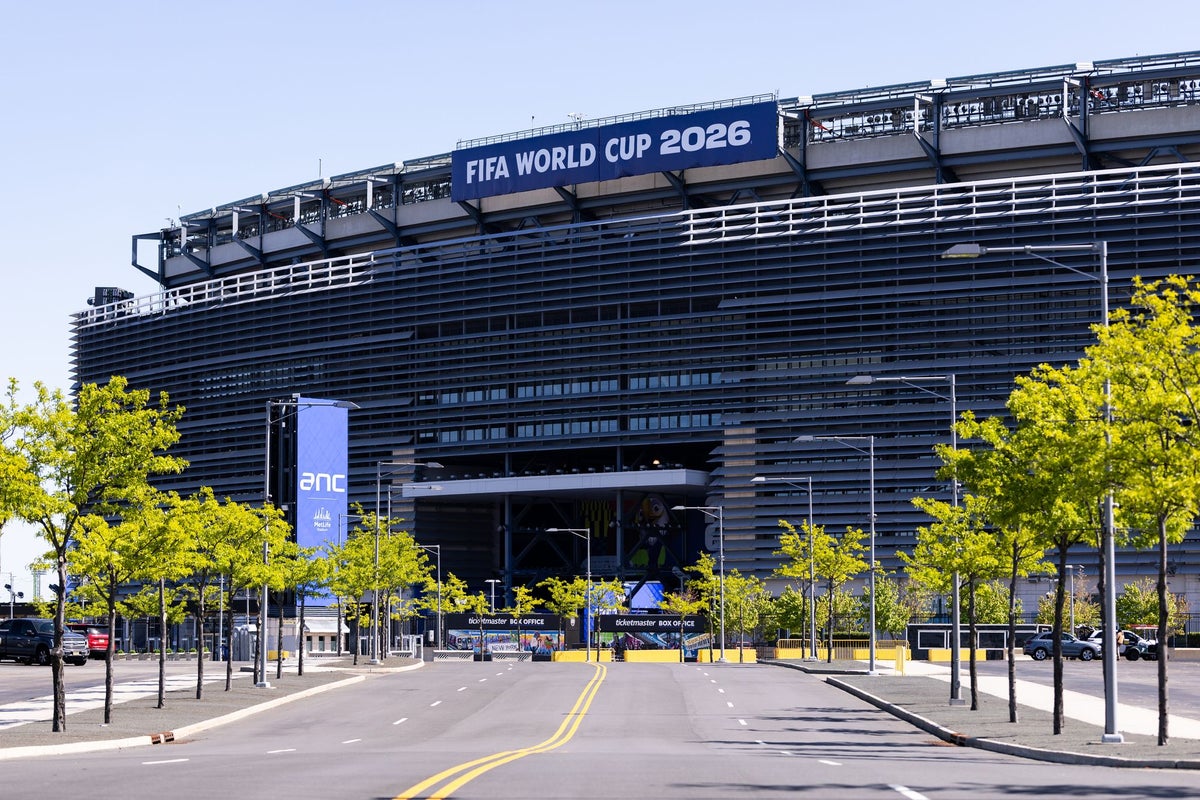
World Cup economics are broken. FIFA points to massive viewer metrics and promises a legacy of local growth every four years. Cities scramble, dump billions into infrastructure, and build shiny stadiums that end up abandoned. We need to talk about the reality of hosting the biggest tournament on earth because the financial math behind it makes absolutely no sense.
The traditional model of sports hosting relies on a simple assumption. You spend money to build facilities, fans show up, they spend cash in your hotels and restaurants, and your city gets a permanent economic boost. It sounds great on a slideshow. In reality, hosting a modern World Cup is a financial trap that leaves local taxpayers footing a massive bill while FIFA walks away with billions in tax-free profit.
Why Host Cities Lose Money Every Single Time
Look at the history of recent tournaments. Brazil spent around $15 billion on the 2014 World Cup. They built the Arena da Amazônia in Manaus, a remote city in the rainforest, for nearly $300 million. It hosted four games. Today, the stadium sits empty, costs millions annually to maintain, and the local government is struggling to pay off the debt.
This isn't an isolated mistake. It's the standard operating procedure.
Academic research proves the point. Economist Andrew Zimbalist has written extensively about mega-events, tracking how cities consistently overestimate the economic benefits. Tourism doesn't actually skyrocket during a World Cup; it just shifts. Regular business travelers and traditional tourists avoid the host city to escape the chaos, traffic, and inflated prices. The net economic gain is almost always close to zero, or even negative.
The FIFA Tax Exemption Trap
FIFA demands total tax exemptions from host countries. Let that sink in. The governing body sets up a massive commercial operation inside a nation, rakes in billions from broadcasting rights, ticket sales, and corporate sponsorships, and pays nothing back into the local system.
- Sponsorship Revenue: Goes straight to Zurich.
- Broadcasting Rights: Pocketed entirely by FIFA.
- Ticket Sales: FIFA controls the revenue pipeline.
The host nation gets stuck with the security costs, the transportation upgrades, and the stadium maintenance. Local businesses get some foot traffic, sure. But the profits that actually matter bypass the host economy entirely.
The Madness of Expanding the Tournament
The financial strain is getting worse. The shift to a 48-team format means hosting requirements are spiraling out of control. More teams mean more training facilities, more hotels, and more travel logistics.
No single country wants to carry that financial burden alone anymore. That's why we see multi-nation bids dominating the future landscape. Splitting the tournament across whole continents spreads the financial risk, but it also creates an administrative nightmare.
[Host Country Expenses: Infrastructure, Security, Stadium Build, Logistics]
                  VS
[FIFA Income: Broadcasting, Global Sponsors, Ticket Revenue, Licensing]
Think about the sheer scale of moving 48 squads, their support staff, and millions of fans across massive geographical areas. The environmental cost alone contradicts every sustainability pledge sports organizations love to make. Flight paths crisscross continents, creating a massive carbon footprint while inflating travel budgets for fans who just want to watch a football match.
The White Elephant Problem
Stadiums built specifically for these tournaments rarely have a life after the final whistle. A 60,000-seat venue requires massive weekly attendance to break even. Most local clubs don't pull those numbers.
Stadium Lifespan:
Month 1: Global spotlight, packed crowds, historic goals.
Year 5: Rusted infrastructure, empty seats, municipal budget drain.
South Africa faced this exact issue after 2010. Venues like the Cape Town Stadium cost millions in municipal funds every year just to keep the lights on. Money that could go toward schools, healthcare, or public housing gets swallowed by a concrete bowl that sits empty most weeks.
How Fans Are Getting Priced Out of the Game
The crazy economics don't stop with the host cities. Fans are paying the price, literally. Ticket prices have soared to levels that exclude working-class supporters, the very people who created the culture of the sport.
Add the cost of flights, accommodation, and daily expenses, and attending a World Cup becomes an elite luxury. Hotels routinely hike their rates by 300% or more the moment a city gets announced as a match venue. It's pure price gouging, and it prices out the passionate fanbases in favor of corporate hospitality guests.
This corporate shift changes the atmosphere inside the stadiums. The vibrant, organic fan culture gets replaced by a sterile, sanitized corporate environment. It might look good on a broadcast feed, but it hollows out the soul of the tournament.
Changing the Playbook on Mega Event Spending
The current path is unsustainable. Cities are waking up to the bad math, and public resistance to hosting bids is growing. If the World Cup wants to survive without destroying local municipal budgets, the entire funding structure needs an overhaul.
First, stop building new stadiums. FIFA needs to mandatorily select hosts that already possess the required infrastructure. Renovation is acceptable; building massive, single-use arenas from scratch must end.
Second, the tax model has to change. Host countries must demand a percentage of the broadcasting and sponsorship revenue to offset the massive security and operational costs. If FIFA refuses, nations should stop bidding.
Keep an eye on local organizing committee reports and independent economic audits rather than relying on official press releases. Look at the long-term debt cycles of previous host cities before buying into the hype of the next tournament cycle. The real score of a World Cup isn't on the scoreboard; it's on the municipal balance sheet years after the final whistle blows. For now, the math remains completely broken, and taxpayers keep losing the game.