A quiet panic is rippling through the commercial aviation sector, and its epicenter stretches from the tarmac of Sydney Kingsford Smith Airport to the international arrivals terminals of Los Angeles and New York. Australians, historically among the most lucrative and reliable long-haul travelers to the United States, are walking away.
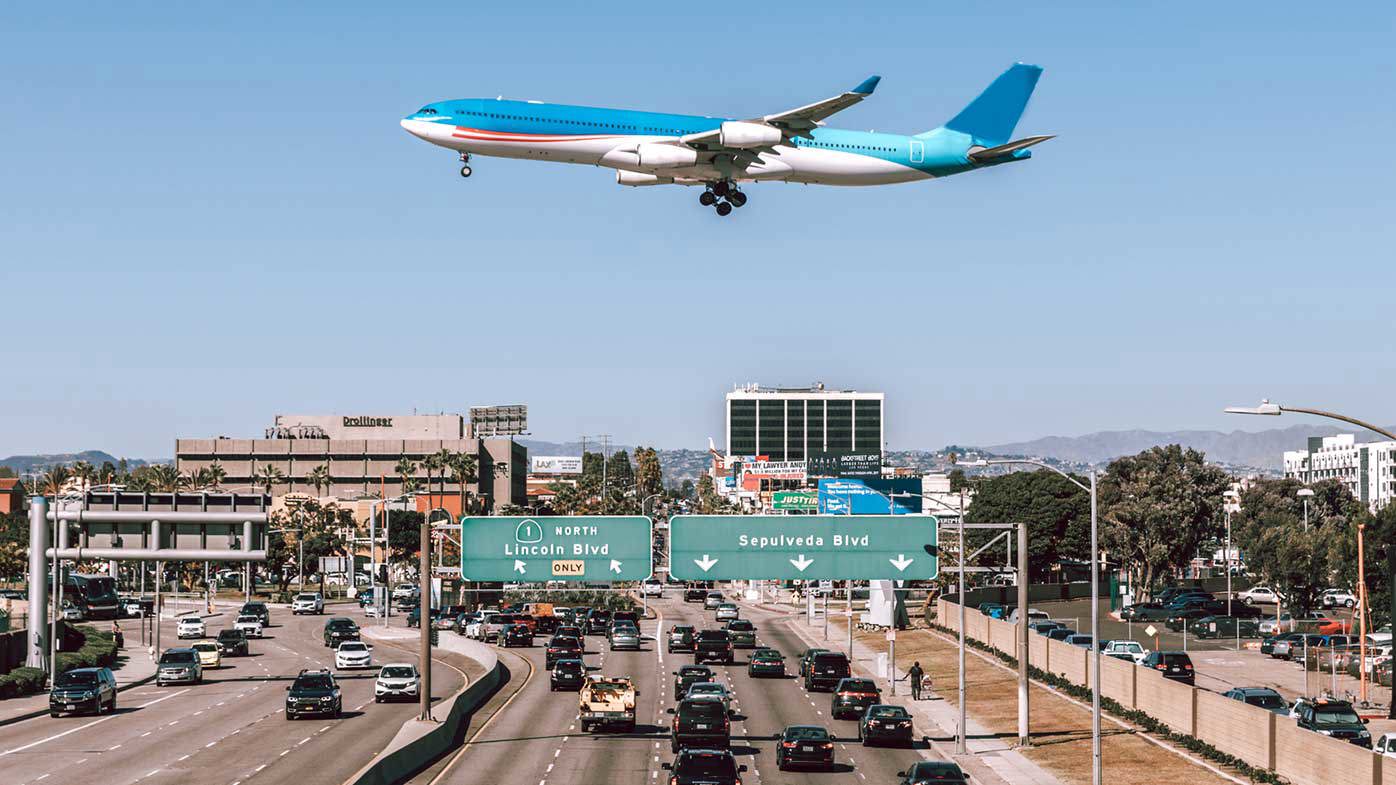
The immediate catalyst appears to be a sweeping administrative directive out of Washington, but the actual rot goes far deeper into the mechanics of federal immigration policy and airline economics. The Trump administration recently announced plans to stop processing international flights at airports located in designated sanctuary cities. This political maneuver, aimed squarely at local municipal governments that refuse to cooperate with federal immigration enforcement, threatens to cut off the primary gateways for transpacific aviation. For Australian tourists and business travelers, the move effectively blacklists their most popular destinations, including Los Angeles International (LAX) and New York’s John F. Kennedy International (JFK).
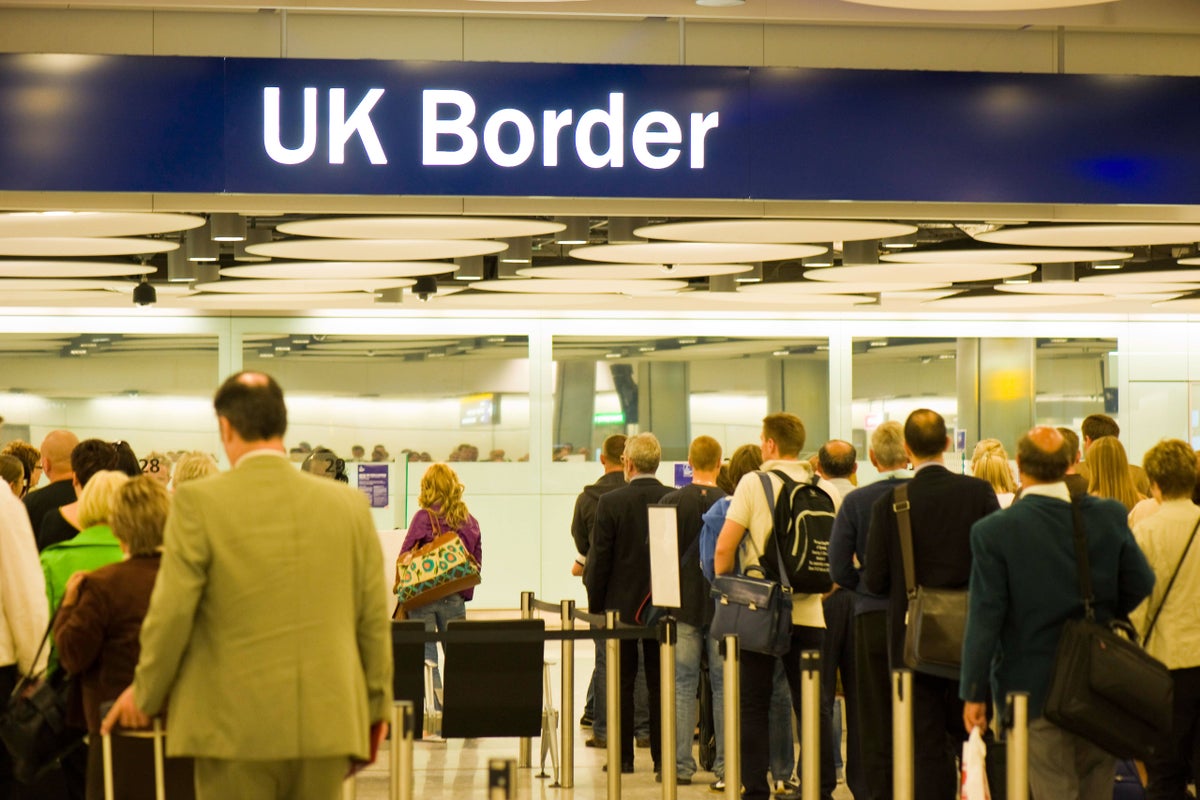
The policy treats federal customs processing as a reward for local political compliance rather than a fundamental public utility. Homeland Security Secretary Markwayne Mullin made the administration's stance clear, stating that if local leadership hampers federal immigration enforcement on the ground, the federal government is under no obligation to staff the Customs and Border Protection (CBP) checkpoints that allow international passengers to step foot on American soil.
This is not a hypothetical dispute over municipal funding. It is an existential threat to the transpacific aviation corridor. Commercial airlines cannot simply reroute a double-decker Airbus A380 or a Boeing 787 Dreamliner from LAX to a compliant, non-sanctuary regional airport without collapsing the entire economic framework of the route.
The Logistics of An Aviation Blacklist
To understand why this policy is so destructive, one must look at how long-haul international flights actually operate. Commercial aviation relies on hub-and-spoke networks. Major gateways like LAX, San Francisco International (SFO), and JFK are not just final destinations; they are massive distribution engines that feed passengers into domestic networks.
If the Department of Homeland Security withdraws CBP officers from these airports, international flights cannot land there. A flight coming from Sydney, Melbourne, or Brisbane cannot simply divert to a smaller airport in a politically compliant jurisdiction. Long-haul aircraft require specific infrastructure:
- Runway Length and Strength: Fully loaded widebody aircraft require extensive runway lengths to land safely after an multi-hour transpacific journey.
- Ground Handling and Gates: Massive aircraft require specialized gates, baggage handling systems, and refueling infrastructure that mid-sized regional airports lack.
- Connecting Infrastructure: The vast majority of international passengers rely on domestic connections. Landing a flight from Sydney in a smaller, non-sanctuary city means passengers are stranded without onward flights to their actual destinations.
Even the administration's own cabinet is showing signs of internal friction over the logistical madness of the plan. Transportation Secretary Sean Duffy publicly broke ranks with the Department of Homeland Security, noting that shutting down air travel based on local political alignments is a dangerous precedent that threatens nationwide commerce. Airlines operate on razor-thin margins and multi-year planning cycles. The mere threat of losing access to primary American gateways is forcing network planners in Sydney and Melbourne to reconsider their capacity allocations.
The Aggressive Surveillance Deterrent
While the threat of closed borders dominates the headlines, a more insidious barrier has been quietly decimating Australian tourism numbers for months. The administration has initiated a 60-day review for a policy that mandates all travelers entering via the Electronic System for Travel Authorization (ESTA) visa waiver program—which includes Australian citizens—hand over five years of complete social media history.
This requirement is not a simple background check. The U.S. Customs and Border Protection agency seeks access to five years of public and private digital footprints, alongside high-value personal data including family phone numbers, dates of birth, and residential histories. The stated objective is to screen for individuals holding hostile attitudes toward American institutions, culture, or government principles.
The chilling effect on discretionary travel was instantaneous. Data from the U.S. Department of Commerce paints a grim picture of the trend line. In 2019, regular monthly arrivals from Australia to the United States comfortably cleared the 100,000 mark. By late 2025 and early 2026, those numbers cratered to the low 50,000s. For the first time in modern peacetime aviation history, monthly Australian arrivals dipped below 50,000 outside of a global pandemic.
Travelers are choosing to avoid the indignity of digital strip-searches. Major Australian travel agencies report that families are moving multi-generational reunions out of Hawaii and California, opting instead for destinations in Europe, Japan, or Fiji where entry protocols remain bound by traditional security parameters rather than ideological screenings.
The Corporate Backlash and Economic Fallout
The United States Travel Association has issued stark warnings regarding the economic fallout of these combined policies. International visitors spend billions of dollars on domestic lodging, dining, domestic flights, and retail. Australian tourists are particularly prized by the American hospitality sector because they stay longer and spend more per capita than short-haul visitors from neighboring territories.
Consider the baseline math of a canceled transpacific route. A single daily widebody flight from Australia to the West Coast injects millions of dollars annually into the destination city's economy. If airlines are forced to cut frequencies due to falling demand or outright airport closures, the financial damage will be felt by hotel workers, restaurant staff, and regional tourism operators—not the municipal politicians Washington is trying to punish.
Airlines face an immediate asset-allocation crisis. A widebody aircraft is a mobile asset worth hundreds of millions of dollars. If the American market becomes too volatile, too hostile, or logistically unviable, carriers like Qantas, Virgin Australia, and United Airlines will shift those planes to more predictable, profitable markets. Routes to Europe and Asia are already seeing capacity increases as carriers quietly hedge against U.S. regulatory chaos.
A Disconnect Between Politics and Infrastructure
The fundamental flaw in using international aviation as a political weapon is that airports are deeply integrated global networks, not isolated municipal assets. While a city may pass sanctuary laws, its airport is an engine of international commerce protected by international treaties and federal aviation laws.
Attempting to decouple federal border processing from major metropolitan hubs ignores the reality of how the modern world moves. If the administration proceeds with its plan to pull CBP staffing from sanctuary cities, the result will not be a sudden capitulation by local mayors. The result will be the systematic dismantling of America’s standing as the premier destination for global business and leisure travel, leaving the transpacific corridor quieter than it has been in decades.
Australian Tourism To The US Falls Under Trump Presidency
This report details how recent shifts in border policy and social media tracking requirements have triggered a sharp decline in Australian travel to the United States.