The coffee at the newsroom desk was cold, slicked with a thin, bitter film that matched the mood on the fourth floor. It was three in the morning in the heart of Kerala, and the glow of terminal screens illuminated faces etched with a very specific kind of exhaustion. They had spent months building the fortress: a shiny, paywalled digital gate designed to lock down every word, every breaking headline, every deeply reported investigation. They threw the switch, crossed their arms, and waited for the cash register to ring.
Silence.
Instead of a flood of digital subscribers, they heard the digital equivalent of crickets. Traffic dipped. Angry comments piled up like wet leaves in autumn. Longtime readers, people who had unfolded the crisp morning broadsheet on their verandas for decades, simply turned away. They weren't angry; they were indifferent. And indifference is a publisher's executioner.
This was the crisis facing Manorama Online, the digital arm of the Malayala Manorama media empire. They had fallen into the trap that catches almost every legacy publisher in the modern web economy. They assumed that because journalism costs money to produce, people would naturally pay for the output simply because it existed. They thought people bought subscriptions.
They were catastrophically wrong.
To understand why that paywall failed initially, you have to step inside the mind of someone sitting on a crowded commuter train in Kochi, thumbing through a smartphone screen with one hand while holding a handrail with the other. That commuter is not thinking about the structural integrity of the fourth estate. They are not lying awake at night worrying about the profit margins of a regional publishing house.
They are thinking about rent. They are thinking about school fees. They are wondering if the price of onions went up again at the local market.
When a pop-up slams down across their screen demanding money just to read a local crime report or a movie review, they do not feel inspired to support independent journalism. They feel interrupted. They feel mugged by a corporation.
The digital publishing industry spent two decades trying to copy the physical newspaper model. In the physical world, you pay for the paper object—the ink, the pulp, the physical delivery to your driveway. The medium was the product. But when the internet dragged everything into the ether, that physical anchor vanished. You cannot charge for air. You cannot charge for electrons traveling through a fiber-optic cable at the speed of light.
People do not buy subscriptions. They buy for the value.
That distinction sounds like semantic hair-splitting until you watch a business bleed subscribers. Value is not a PDF of a newspaper. Value is not a tokenistic badge that says "Supporter of the Truth." Value is personal, immediate, and transformative. It solves a problem, scratches an itch, or makes the reader feel smarter, safer, or more connected than they were five minutes ago.
When the leadership team at Manorama realized this, they had to unlearn everything they thought they knew about digital revenue. They had to look at their audience not as a monolithic block of "eyeballs" or "unique monthly visitors," but as living, breathing human beings with fragmented attention spans and infinite alternatives.
Consider what happens next in a scenario like this. Most companies panic. They run A/B tests on checkout buttons. They slash prices. They introduce tiered loyalty programs with confusing names like Platinum Plus Pro.
Manorama did something radically different. They stopped looking at the paywall and started looking at the utility.
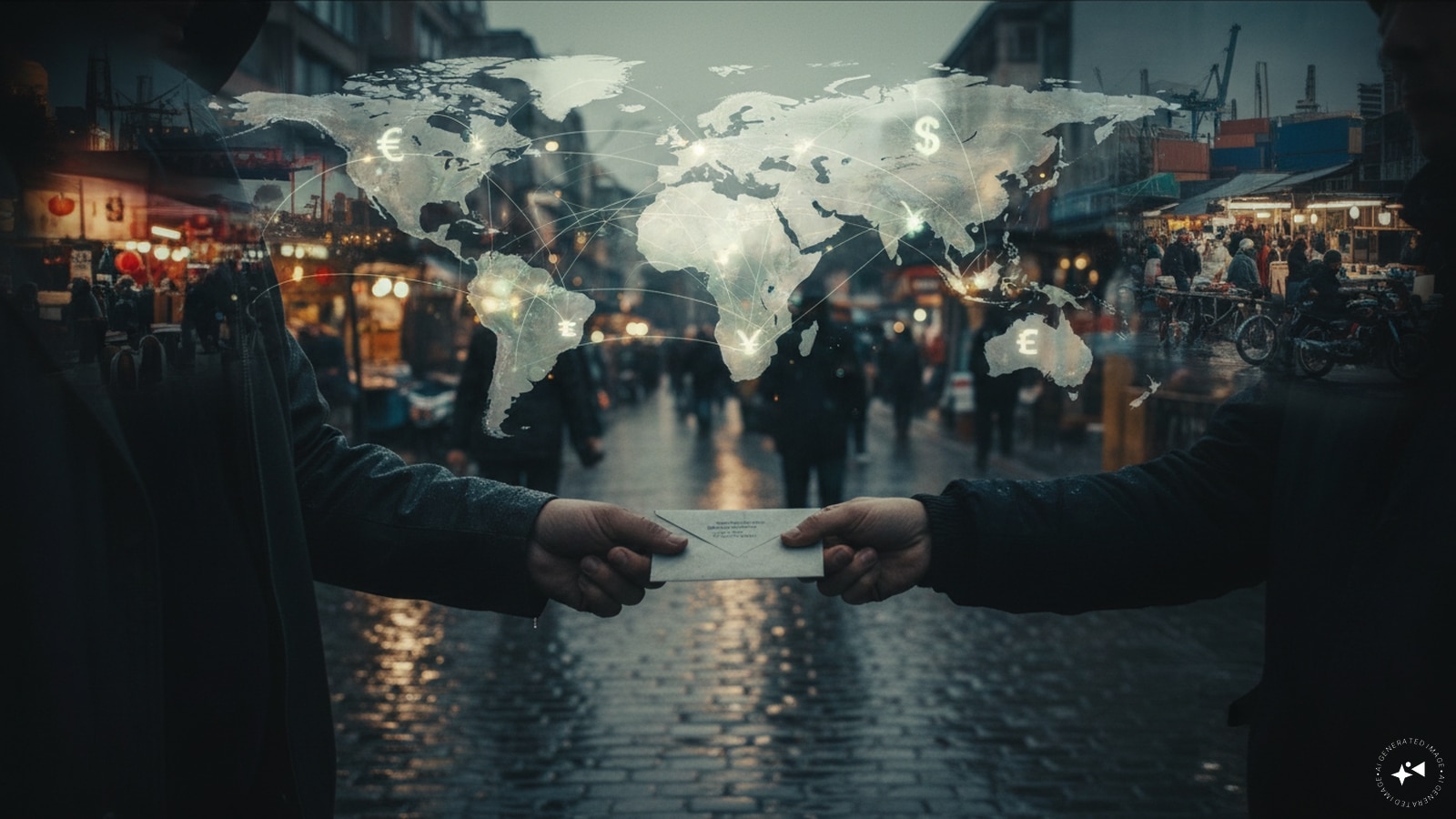
They began by mapping out the actual lives of their readers across the globe. Malayalis do not just live in Kerala; they form a sprawling, vibrant diaspora stretching from the skyscrapers of Dubai to the quiet suburbs of Chicago, nursing a fierce, aching nostalgia for home. At the same time, young professionals in Thiruvananthapuram are navigating a booming tech economy, worried about career trajectories, real estate, and local politics.
The publisher realized their mistake was packaging journalism like a utility bill—something you pay because you have to, while resenting every second of it. They needed to package it like an indispensable companion.
They blew up the one-size-fits-all subscription model. Instead of throwing a blanket paywall over the entire site, they looked at data granularly. They asked: Which stories do people actually change their behavior after reading? Which guides do they bookmark? Which investigations do they share with their brothers on WhatsApp?
It turned out that hard news—the breaking reports of local council meetings or standard wire copy—was a commodity. You could get it anywhere, for free, within seconds. Charging for it was like trying to charge people for breathing the air in the subway station.
But deeply reported cultural deep-dives, hyper-local investigative journalism that held corrupt bureaucrats accountable, specialized career guides, exclusive literary content from the region's greatest writers, and interactive community spaces—that was rare. That was scarce. That was valuable.
They pivoted from charging for access to charging for transformation.
If you are an expatriate sitting in a desert heatwave in the UAE, wanting to know the exact legal changes in property inheritance laws back in your ancestral village in Kottayam, you don't want a generic news alert. You want a comprehensive, bulletproof guide written by a legal expert who speaks your language. That is worth paying for. If you are a young parent trying to navigate the shifting educational landscape in Kochi, a meticulously researched series on school quality and admissions is worth its weight in gold.
By aligning their paywalls with high-utility, high-emotion content categories, the metrics shifted. The graph stopped looking like a flatline and started its upward climb.
There is a deeper lesson here for anyone trying to build a sustainable enterprise in the digital age. We live in an era of infinite abundance and zero friction. Anything you want to know, watch, or hear is available in three taps. In that kind of environment, scarcity is the only thing that commands a price. And true scarcity is no longer information—information is a flood. Scarcity is trust, clarity, relevance, and relief.
When a reader enters your digital ecosystem, they are engaged in an unspoken psychological negotiation. They are asking a silent question: What's in this for me, and is it worth more than the five dollars I could spend on a latte?
If your answer is a paywall that blocks them from reading about a local traffic accident, they will close the tab and never look back. But if your answer is a piece of journalism that makes them feel seen, protects their interests, or connects them to their roots in a profound way, they will pull out their credit card without blinking.
The screen goes dark in the newsroom eventually, but the terminal lights never really turn off. The metrics dashboard hums quietly in the corner, tracking the pulse of a readership that finally feels understood. They aren't subscribers anymore. They are members of a shared story, paying not for paper and ink, but for the priceless feeling of belonging to a world that makes sense.