The Cold Call That Rewrote FedEx History
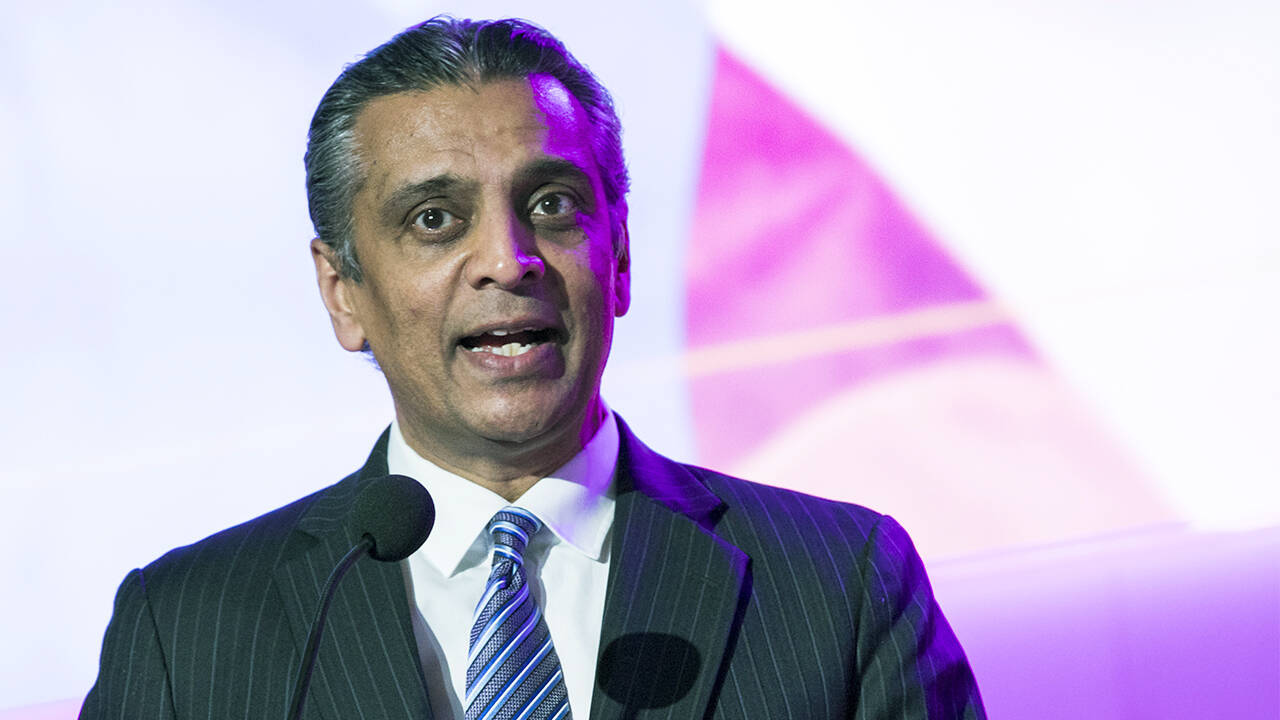
When Raj Subramaniam took over as chief executive officer of FedEx in 2022, corporate profiles leaned heavily on a single, almost mythological origin story. In the early 1990s, a roommate at the University of Texas at Austin received an interview invite from FedEx, turned it down, and Subramaniam stepped into the void with a simple pitch asking if he could send his resume instead. He got the interview, landed an entry-level marketing position, and spent the next three decades climbing the ladder.
That anecdote paints a picture of pure luck meeting bold initiative. The real story reveals something more calculated about how modern corporate leadership operates. For a different look, see: this related article.
Subramaniam did not simply luck into a career. He recognized an inflection point in global logistics long before the industry realized it was changing. By stepping through an open door that someone else dismissed, he positioned himself at the exact junction where traditional freight shipping transformed into digital supply chain management.
Beyond Luck and Cold Emails
The narrative of the opportunistic job applicant is popular because it fits the classic corporate ambition trope. Yet framing Subramaniam’s career purely around a cold call misses the underlying structural shifts that allowed an entry-level analyst to reach the C-suite. Related insight on this matter has been published by MarketWatch.
In 1991, logistics was largely viewed as a mechanical operation. Moving boxes from point A to point B required planes, trucks, and sorting facilities. What the industry lacked was an understanding of predictive routing, international trade integration, and data analytics.
Subramaniam held a bachelor’s degree in chemical engineering from the Indian Institute of Technology (IIT) Bombay, alongside a master’s in industrial engineering from Syracuse University and an MBA from UT Austin. That background was not typical for marketing hires at the time.
Subramaniam's Career Trajectory
┌─────────────────────────────────────────────────────────┐
│ 1991: Entry-Level Marketing Analyst                     │
├─────────────────────────────────────────────────────────┤
│ Late 1990s - 2000s: Regional Leadership (Asia & Canada) │
├─────────────────────────────────────────────────────────┤
│ 2010s: Chief Marketing & Communications Officer         │
├─────────────────────────────────────────────────────────┤
│ 2019: President & COO of FedEx Corp                     │
├─────────────────────────────────────────────────────────┤
│ 2022: President & CEO of FedEx Corp                     │
└─────────────────────────────────────────────────────────┘
He approached marketing not as creative advertising, but as an engineering problem. Logistics networks are complex systems governed by density, yield, and route optimization. By applying analytical rigor to customer acquisition and international expansion, he built a career path grounded in operational strategy rather than simple promotion-seeking.
Navigating the Asian Market Boom
After his early years in Memphis, Subramaniam was sent to Hong Kong in the late 1990s to oversee marketing for the Asia-Pacific region. This move proved critical.
China was emerging as the world's manufacturing hub. The flow of trade was shifting rapidly from domestic domestic shipping to international air freight corridors. Managing growth in Asia required navigating complex regulatory frameworks, customs clearance challenges, and infrastructure deficits across multiple emerging markets.
Key Operational Moves in Asia
- Network Integration: Connecting regional feeder routes directly into major transpacific air hubs.
- Yield Management: Balancing express flight capacity against fluctuating cargo volumes to protect operating margins.
- Customer Segmentation: Structuring services specifically for high-value electronics manufacturers who needed guaranteed delivery windows.
Executors who thrived in emerging markets during this era developed a distinct skill set. They learned to operate in low-visibility environments where capacity constraints could destroy profitability overnight. When Subramaniam returned to North America to lead FedEx Express in Canada and later assume corporate-wide marketing roles, he brought an operational framework forged in the world's highest-growth trade lanes.
The Founder Transition Challenge
Taking the helm of a company after a legendary founder is one of the hardest assignments in corporate management. Fred Smith founded FedEx in 1971 and built it into a global powerhouse over five decades. Smith was not just an executive; he was the primary architect of the modern express transportation industry.
[Image of supply chain logistics distribution center]
When Subramaniam assumed the CEO role, he inherited a massive infrastructure network built for an earlier era of commerce. The rise of e-commerce had fundamentally altered package density. Residential deliveries, which yield lower margins than business-to-business shipments, were skyrocketing. At the same time, major retailers were building their own captive delivery networks, changing the competitive dynamic forever.
"The challenge for post-founder leadership is rarely about maintaining the original vision. It is about restructuring the cost base to match new market realities without dismantling the operational engine that created the brand value in the first place."
Subramaniam’s strategy focused on consolidating FedEx's historically siloed operating units. For decades, FedEx Express and FedEx Ground operated as largely separate networks, with separate drivers, facilities, and management structures. While this separation preserved specialized focus, it created obvious operational redundancies.
Network Consolidation and Modern Strategy
The long-term success of Subramaniam’s tenure will be judged on his ability to execute structural integration. Under the "ONE FedEx" initiative, the company began merging its air and ground networks into a single unified system.
Unifying two massive, distinct operational cultures is notoriously complex. Express drivers were traditional employees operating under air transport regulations, while Ground relied heavily on an independent contractor model. Merging these operations required rethinking route distribution, sorting facility design, and labor structures.
| Operational Area | Historical Model | Unified Network Model |
|---|---|---|
| Network Structure | Separate Express & Ground hubs | Integrated regional sorting centers |
| Delivery Routes | Duplicate drivers on same neighborhood streets | Single driver covering defined geographic zones |
| Capacity Management | Fixed air transport capacity | Dynamic allocation based on predictive demand |
| Cost Basis | High fixed infrastructure overhead | Scalable hybrid network |
The operational logic is straightforward: driving two trucks down the same residential street to deliver packages from different divisions drains margin. Resolving that inefficiency requires massive capital realignments, sophisticated algorithmic dispatching, and enduring significant organizational friction.
Lessons for Modern Career Trajectories
The story of a missed interview turned C-suite career offers practical insights for navigating long-term institutional careers.
First, tactical initiative matters, but technical preparation dictates longevity. Asking to send a resume was a single moment of nerve. Remaining valuable over thirty years required constantly acquiring skills that matched the company's evolving strategic bottlenecks.
Second, field experience in high-growth, high-complexity regions creates an unbeatable career edge. Leaders who spend their entire careers at corporate headquarters often lack the practical domain experience required to solve ground-level operational failures.
Finally, career growth inside large institutions depends on identifying structural transitions early. Subramaniam identified that express logistics was transitioning from a transport business to a technology and data business. By positioning himself at that intersection, he made his perspective indispensable to senior leadership long before the CEO role ever opened up.
The cold call got him into the building. The ability to read where the global economy was heading kept him there.