We like to think genius grants immunity from human blindness. When Alice Munro won the Nobel Prize in Literature, she was hailed as a secular saint of the ordinary, a writer who could chart the emotional topography of women's lives with terrifying precision. Then the floor dropped out. In 2024, her daughter Andrea Robin Skinner revealed a horrific truth. Munro's second husband, Gerald Fremlin, sexually abused Skinner starting when she was just nine years old. When Skinner finally told her mother the truth decades later, Munro didn't banish the predator. She stayed with him.
The literary world reeled. How could a woman who understood human nature better than almost anyone fail the ultimate test of maternal protection?
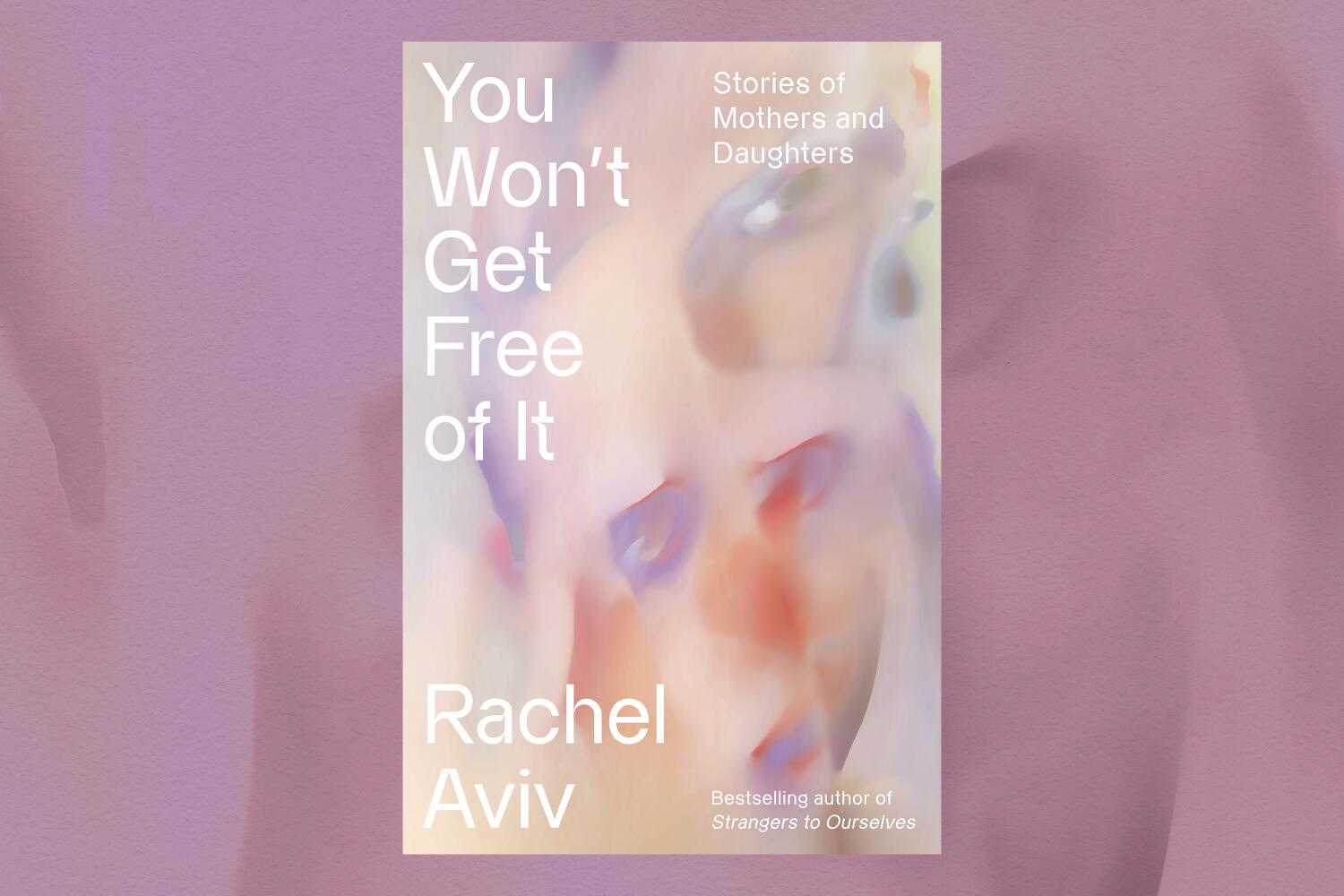
New Yorker staff writer Rachel Aviv isn't letting us look away from that question. Her book, You Won't Get Free of It: Stories of Mothers and Daughters, tackles this nightmare head-on. It isn't just a collection of repackaged journalism. It's a heavy, unsettling examination of how families build walls of silence to protect their own comfort, and it completely shifts how we read Munro's fiction.
The Complicity of Silence in You Won't Get Free of It
Aviv didn't just stumble onto this theme. The title of her book comes straight from a line in Munro's short story The Children Stay, describing the chronic, inescapable ache a mother feels when she leaves her children. But in the context of Aviv's reporting, those words take on a sickening new resonance. You don't get free of the trauma, and you don't get free of the compromises you make to survive it.
The book reworks and expands on Aviv's George Polk Award-winning reporting for The New Yorker. What makes the book version essential reading is how Aviv alters the architecture of the narrative. In the original magazine piece, the facts hit you like a succession of blows. In the book, Aviv slows down. She builds the world of the Munro household piece by piece, letting us see how the myths of the 1960s and 70s sexual liberation movement were weaponized to invalidate a child's pain.
Only at the very end do we confront Munro's late-life Alzheimer's and her fragmented processing of her past. It's a devastating structural choice. You watch an entire family dynamic build itself around a lie, then slowly unspool.
Aviv contrasts this with other high-stakes mother-daughter relationships across a decade of deep reporting. She revamps her very first New Yorker piece from 2011 about Linda Bishop, a New Hampshire mother who stopped taking her psychiatric medication and spent her final days trapped in an abandoned house. Aviv notes that when she first wrote these stories in her late twenties, she automatically identified with the daughters. Returning to the material as a mother herself, she noticed the terrifying pressures, failures, and complexities of the mothers that she completely missed the first time around.
Rereading Munro's Fiction in the Shadow of Fremlin
Once you know what happened in the Munro household, her bibliography changes. You can't unsee the parallels. Critics and readers are rushing back to stories like Vandals or Dimension, looking for clues. Did Munro use her art to process what she couldn't face in reality?
In Vandals, a woman damages the home of a man who molested her when she was young. In Dimension, a woman keeps returning to a husband who committed an unspeakable act of violence against their family. We used to look at these stories as masterclasses in psychological complexity. Now, they look like confessions written in code.
It raises an uncomfortable truth about how we consume art. We want our artistic heroes to be moral beacons. But Munro's genius was precisely her willingness to look at the ugly, selfish, unromantic corners of the human psyche. She knew people were capable of monstrous indifference. As it turns out, she was writing from experience.
Separating the Art From the Monster is a Lie
The old debate always resurfaces when a beloved creator falls from grace. Can we separate the art from the artist?
Aviv's book suggests that's the wrong question entirely. You can't separate them because the art is explicitly fueled by the crosscurrents of the artist's life. Munro's stories are brilliant because they refuse to sentimentalize motherhood or women's lives. They show how people rationalize their worst choices. Munro chose her husband over her daughter because she didn't want to break the domestic reality she had built for herself. She lashed out at Skinner, blaming a misogynistic society rather than the man in her bed. It was a classic piece of human self-delusion—the exact kind of self-delusion Munro exposed in her characters.
If you're looking for an easy resolution or a neat moral takeaway, you won't find it in Aviv's essays. She doesn't write with the cheap outrage of social media call-out culture. Her prose is precise, empathetic, and utterly unsparing.
If you want to understand how deep the rot of family secrets can go, pick up You Won't Get Free of It. Don't look for excuses for Munro. Instead, use Aviv's reporting to look clearly at how easily human beings accept the unacceptable just to keep their worlds from falling apart. Go back and read Munro's The Love of a Good Woman or Runaway with these essays by your side. The stories haven't lost their brilliance, but they've lost their innocence.