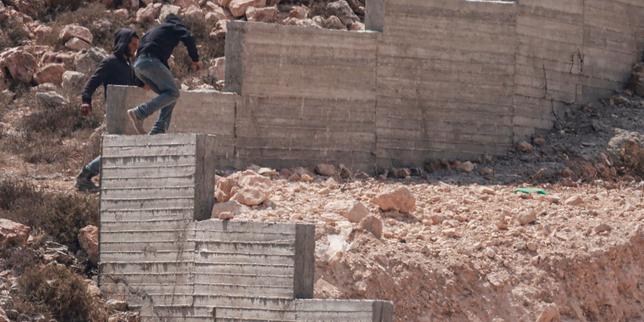
Violence in the occupied West Bank isn't just an abstract headline for international observers. It is a daily, grinding reality for families living in agricultural communities like Qusra. When masked groups descend on olive groves or set fire to property, the world usually watches through a brief video clip before scrolling away.
That cycle needs to break. You deserve a clearer picture of what is actually happening on the ground, why these attacks keep escalating, and how rural Palestinian villages bear the brunt of an unchecked security crisis. Let's look past the surface of standard wire reports and examine the mechanics of settler violence in places like Qusra.
The Anatomy of a Village Under Siege
Qusra sits south of Nablus in the West Bank. It is surrounded by hills that historically provided a modest living through olive farming and sheep herding. Today, those same hills represent friction points. Outposts and settlements creep closer to village land every month.
When armed raids happen, they follow a terrifyingly predictable script.
- Unmasked or masked groups arrive from nearby outposts.
- Livestock is harassed or killed to cripple the local economy.
- Vehicles and homes are torched while residents try to defend their property.
- Israeli security forces often arrive late or intervene on behalf of the aggressors.
I've spoken with monitors who document these incidents weekly. The pattern is clear. This isn't random youth delinquency. It is a systematic pressure campaign designed to make farming impossible, forcing residents to abandon their ancestral lands.
Accountability Remains Missing in Action
You might wonder where the law enforcement agencies are during these clashes. That is the core of the problem. Impunity rules the West Bank.
Human organization reports repeatedly show that investigations into settler violence rarely lead to indictments. When the military responds to distress calls from Qusra, soldiers frequently clash with local villagers rather than the attackers. Tear gas and rubber bullets fly at the people whose homes are burning.
This inverted reality destroys trust. Communities realize they have zero protection from the state governing their territory. They must organize their own neighborhood watches, staying up in shifts through the night, listening for crunching gravel on dirt roads.
Economic Sabotage as a Weapon
Olive harvesting season tells the whole story. For families in Qusra, the autumn harvest is financial survival. It is also cultural identity.
When attackers slash hundreds of olive trees—some centuries old—they aren't just destroying fruit. They are severing a multi-generational lifeline. Replanting a grove takes decades to bear fruit. The economic fallout forces younger generations to migrate toward cities like Ramallah or Nablus for work, slowly depopulating the rural heartland of the West Bank.
Governments issue condemnations. Statements roll in from foreign ministries expressing deep concern. Nothing changes. The outposts expand. The olive branches snap.
If you want to track this issue meaningfully, stop waiting for the next viral video to shock your feed. Look at the land registries. Follow the expansion metrics of unauthorized outposts. Support human rights monitors who document the daily erosion of rural Palestinian livelihoods. Pay attention to the quiet weeks between the explosions, because that is when the real displacement happens.