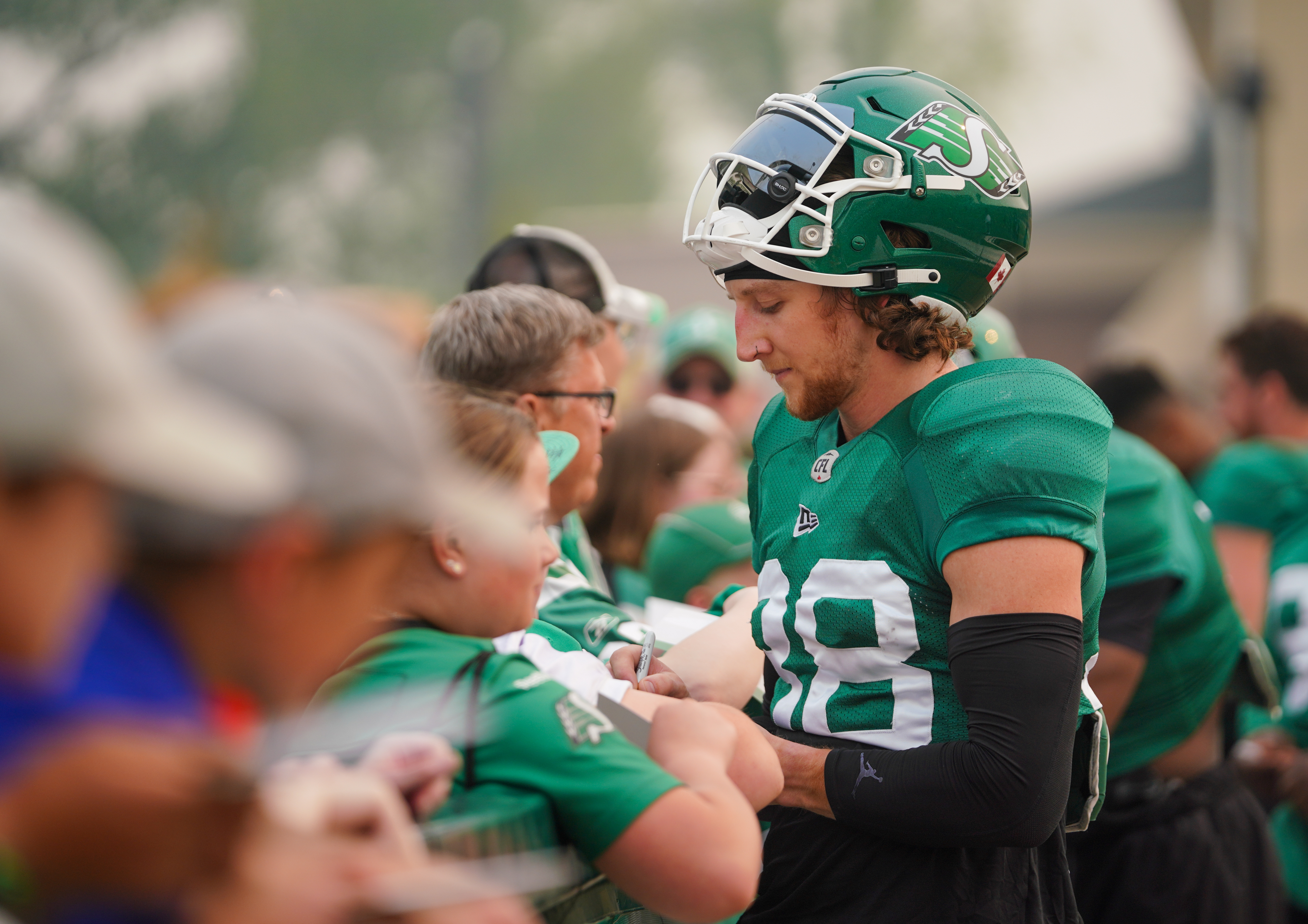
Professional sports franchises operate under tight operational constraints where player value extends beyond raw athletic metrics into team culture, communication overhead, and scheme execution. The sudden loss of a defensive captain and starting safety like Jayden Dalke creates an immediate operational void across three distinct system levels: tactical alignment, roster depth management, and emotional communication structures within a high-performance environment.
The Tri-System Impact Model of Mid-Season Leadership Loss
When an organization loses an anchor defensive player, the disruption propagates through three specific layers of the operational framework.
       [ Sudden Absence of Core Player ]
                       │
     ┌─────────────────┼─────────────────┐
     ▼                 ▼                 ▼
[ Tactical System ] [ Depth Matrix ] [ Cultural Anchor ]
  - Communication     - Roster Slot    - Locker Room
  - Alignment Lag       Compression      Cohesion
  - Play-Calling      - Special Teams  - Stress Recovery
    Efficiency          Degradation
1. Tactical Communication Breakdown and Pre-Snap Lag
In modern Canadian Football League defensive schemes, the safety position operates as the primary communication hub. The free safety processes pre-snap shifts, adjusts coverage angles, and communicates secondary leverage adjustments to cornerbacks and linebackers within tight play-clock constraints.
- Pre-snap latency: Introducing a replacement safety increases pre-snap communication latency, leaving the defense vulnerable to fast-tempo offensive shifts.
- Coverage assignment errors: A 0.5-second delay in secondary calls correlates directly with higher explosive play rates allowed per game.
- Loss of situational intuition: Dalke’s career progression—from U Sports First-Team All-Canadian to Grey Cup champion—was built on diagnostic speed rather than raw combine velocity (4.86-second 40-yard dash). Replacing diagnostic intuition requires time that mid-season schedules do not afford.
2. The Special Teams Compression Effect
Special teams production relies heavily on high-energy, experienced starters who fill secondary roles on coverage units. Dalke contributed 31 career special teams tackles alongside his starter duties in the secondary.
Replacing a dual-value starter forces a cascade throughout the lower half of the 45-man active roster:
- Role displacement: A second-tier defensive back must take over starting safety snaps, reducing their availability or efficiency on kickoff and punt coverage.
- Practice roster elevation: A practice roster player must be elevated, often lacking the operational familiarity required for complex coverage lanes.
- Efficiency degradation: Special teams net yardage typically drops when core phase leaders are removed, directly altering field position dynamics.
3. Culture as a Stabilizing Operational Asset
Culture in professional athletics is often treated as a vague qualitative asset, but its measurable function is stress recovery and execution stability under adversity. Dalke’s pathway to the CFL—working in northern Alberta industrial camps before playing junior football with the Edmonton Wildcats and collegiate football with the Golden Bears—formed the core of his leadership identity.
In high-stress environments, peer leadership reduces organizational fatigue during tight games or schedule compressions. Rebuilding that trust network during an active season requires deliberate structural communication from head coaches and remaining veteran captains.
Measuring Roster Replacement Mechanics
Replacing a veteran Canadian player (National status) introduces severe roster constraint challenges under CFL ratio rules. Franchises must balance strict field ratio requirements while maintaining performance thresholds.
+------------------------+---------------------------------+---------------------------------+
| Metric / Variable      | Primary Player (Dalke)          | Immediate Replacement Option    |
+------------------------+---------------------------------+---------------------------------+
| National Ratio Status  | Designated National Starter     | Premium National or Ratio Shift |
| Diagnostic Latency     | Low (3+ years in system)        | High (New caller in secondary)  |
| Special Teams Value    | High (31 Career Tackles)        | Variable / Unproven             |
| Cap Allocation Impact  | Established Contract Tier       | Emergency Signing / Elevation  |
+------------------------+---------------------------------+---------------------------------+
The Ratio Mechanics Challenge
The CFL rules dictate that a minimum of seven starters on every team must be Canadian citizens (Nationals). Dalke provided critical ratio flexibility as an effective National starting safety.
When a National starter is lost mid-season, management faces a binary operational choice:
- Direct Substitution: Plug in a backup National safety. This preserves positional ratio continuity but often incurs a drop in diagnostic speed and field coverage.
- Ratio Reconfiguration: Insert an International (American) player at safety, which forces the organization to change another starting position (e.g., offensive line, linebacker, or wide receiver) to a National player to remain compliant. This secondary shift disrupts chemistry in a completely different unit.
Organizational Next Steps in Crisis Execution
Organizations navigating sudden operational disruption must deploy a three-phase recovery protocol to minimize performance decay on the field while managing human capital off it.
Phase 1: Communication Standard Stabilization
The defensive call-sheet must be simplified for the immediate next game. Reducing complex pre-snap checks mitigates the risk of alignment errors while the new starter adapts to live play-calling duty.
Phase 2: Ratio Lock-in
Front offices must audit their regional scout networks and practice roster depth to secure immediate ratio-compliant depth without burning cap space or compromising other unit chemistry.
Phase 3: Distributed Leadership Model
Leadership duties previously held by a single captain must be formally redistributed among remaining unit leaders rather than expecting a newly elevated starter to instantly fill a leadership vacuum.
The strategic priority for the Saskatchewan Roughriders involves immediate simplification of defensive secondary checks and defensive captaincy delegation before their upcoming regular season game.