Nine years have passed since Hurricane Maria slammed into Puerto Rico, ripping away its infrastructure and leaving the island in total darkness. Nine years. That is nearly a decade. In the timeline of modern disaster recovery, a decade should mean reconstruction is finished. It should mean modern schools, a hardened power grid, and stable communities. Instead, the reality on the ground feels like an endless loop of bureaucratic failure. Walk through the streets of San Juan, or drive up into the mountains of Utuado, and you see the same story. Puerto Rico is still waiting for help after Hurricane Maria, and the blame lies squarely on a mix of federal incompetence and local political gridlock.
We are talking about one of the costliest natural disasters in United States history. Congress allocated tens of billions of dollars through the Federal Emergency Management Agency and the Department of Housing and Urban Development. On paper, it looks like a historic rescue package. In reality, the money has trickled out so slowly that it feels like a cruel joke to the three million American citizens living on the island. People are tired of hearing about billions in appropriations when their lights go out three times a week.
The broken promise of billions in federal aid
The numbers look massive when you read them in press releases. Washington loves to tout the over forty billion dollars committed to Puerto Rico. What they don't tell you is how little of that money has actually materialized into physical infrastructure. If you look closely at the tracking data from federal oversight boards, a staggering amount of that money remains trapped in Washington or jammed inside local agencies.
It is a multi-step nightmare. First, the money gets authorized. Then it gets obligated. Finally, it gets disbursed. That last step is where everything dies. For years, the federal government required Puerto Rico to get pre-approval for almost every single project, a restriction not placed on states like Texas or Florida after similar disasters. This double standard slowed things down to a crawl. By the time a local municipality gets the green light to fix a broken bridge or rebuild a water treatment facility, inflation has eaten away at the budget, forcing them to start the proposal process all over again.
Local contractors cannot afford to wait months or years for federal reimbursements. Many smaller construction firms simply went under or stopped bidding on public projects altogether. This left the island dependent on massive multinational corporations that charge top dollar and move at their own leisurely pace. The result is a landscape dotted with half-finished projects and abandoned worksites.
The grid that keeps failing a population
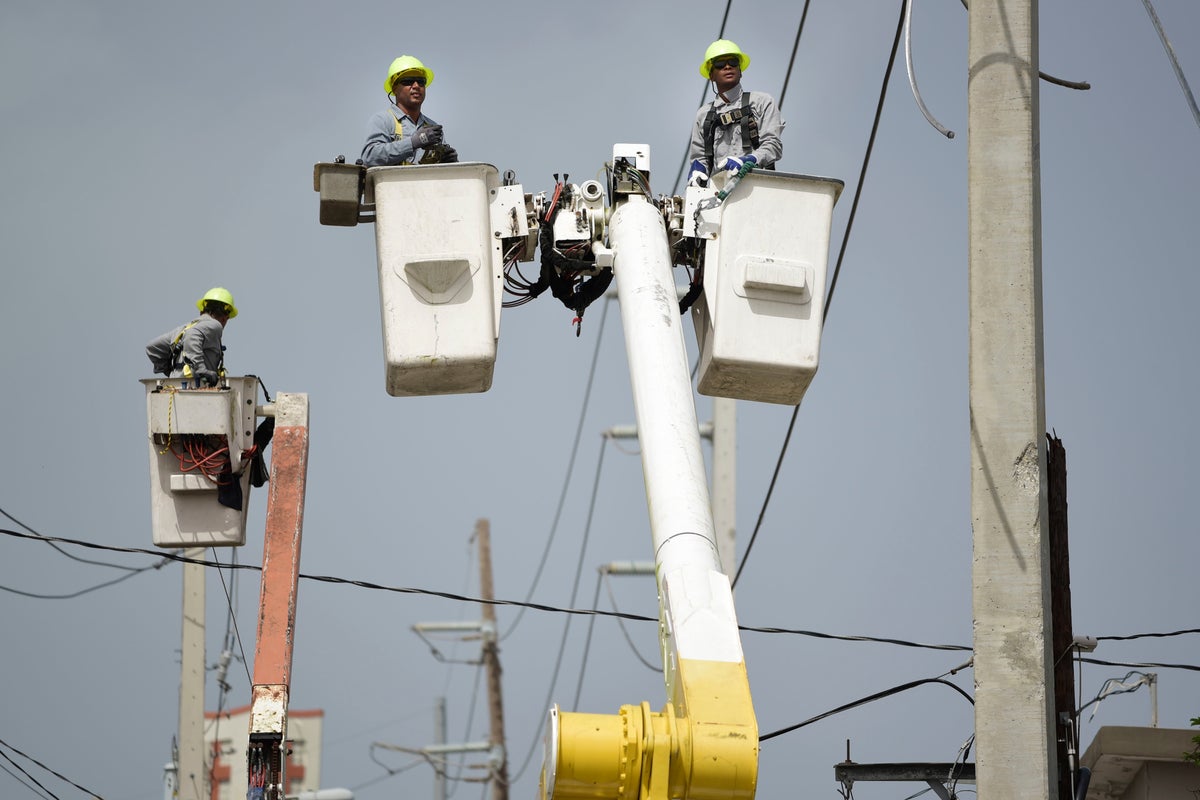
You cannot talk about Puerto Rico without talking about the power grid. It is the most visible symbol of the failed recovery. When Maria hit in 2017, the island experienced the longest blackout in US history. Fast forward to today, and the grid is arguably in a worse state of unpredictability than it was a few years ago.
The privatization of the transmission and distribution system was supposed to fix everything. When a private consortium took over the grid management, promises of modernization filled the airwaves. Instead, electricity bills have skyrocketed, while rolling blackouts remain a regular part of daily life. Imagine trying to run a small grocery store when the power cuts out for six hours without warning. Your inventory rots. Your equipment breaks from voltage surges. You have to run expensive diesel generators just to keep the lights on. This is not a hypothetical scenario. It happens every single week to thousands of business owners across the island.
The generation plants are ancient. Most of them burn heavy fuel oil and are well past their intended lifespan. When one plant triggers a failure, it creates a domino effect that knocks out power for hundreds of thousands of people. The federal funding meant to transition the island to renewable energy or at least harden the existing fossil fuel plants has been tied up in endless studies and environmental reviews. While officials debate technical specs in comfortable offices, citizens are buying flashlights in bulk.
Why the money is stuck in bureaucratic quicksand
The blame does not belong solely to Washington. Local governance in Puerto Rico has its own deep, systemic issues that have crippled the recovery effort. Decades of fiscal mismanagement led to a historic bankruptcy long before Maria ever formed in the Atlantic. This meant that when the storm hit, local agencies were already hollowed out, lacking the technical staff needed to manage complex federal grants.
When you have a rotating door of agency heads, consistency disappears. Every time a new administration or a new director takes over a local department, the priorities shift. Prior projects are scrutinized, rewritten, or shelved. The Central Office for Recovery, Reconstruction, and Resiliency was created to streamline the process, but it often ended up adding another layer of paperwork.
There is also a profound lack of trust. Federal officials, wary of Puerto Rico's history of corruption and political scandals, implemented strict oversight measures. While some oversight makes sense, the extreme level of micromanagement paralyzed local officials. They became too terrified of making a mistake and losing funding to actually spend the money. Fear of an audit became more important than fixing a leaking school roof.
The quiet collapse of local healthcare
While the grid gets the headlines, the medical infrastructure is quietly bleeding out. Hurricane Maria decimated hospitals and clinics, particularly in rural and mountainous regions. Nine years later, many of these facilities operate on shoestring budgets with outdated equipment and inadequate staffing.
The problem is compounded by a systemic inequality in federal funding. Puerto Rico receives significantly lower Medicare and Medicaid reimbursement rates compared to US states. This financial disparity makes it incredibly difficult for local hospitals to offer competitive salaries. Doctors, nurses, and specialized medical technicians are leaving the island in droves for the US mainland, where they can instantly double or triple their income.
If you live in a town like Adjuntas or Jayuya and suffer a medical emergency during one of the frequent power outages, you are in serious trouble. The local clinic might not have a working generator, and the nearest major hospital could be an hour away over roads that still bear the scars of landslides from years ago. The healthcare crisis is a direct consequence of a stalled recovery that treats the island as an afterthought.
What needs to happen right now
Fixing this does not require another congressional hearing or another multi-million dollar study. It requires a fundamental shift in how the recovery is managed.
First, the federal government needs to waive the bureaucratic pre-approval requirements that treat Puerto Rico differently than the rest of the nation. Trust local municipalities to execute projects and audit them after the fact, rather than choking the pipeline before work even begins. Give the funds directly to town mayors who actually know which roads are washed out and which communities are isolated.
Second, the island must aggressively accelerate its transition to decentralized solar power. Relying on a centralized, fragile grid built in the mid-twentieth century is madness in an era of intensifying Atlantic storms. Roof-top solar and community microgrids are the only way to ensure that when the next hurricane hits, the lights stay on for critical services.
The people of Puerto Rico are not asking for charity. They are asking for the efficient use of resources that have already been legally allocated to them. Leaving three million citizens in a perpetual state of limbo is a moral failure that cannot be excused by paperwork or political bickering. It is time to clear the red tape and finally finish the job.