Every few months, the headlines roll in like clockwork. A major health charity releases a fresh panic report. Prostate cancer cases are surging. We are told to be terrified. We are told to get checked immediately. We are told that early detection is an unmitigated good, a moral imperative, and a foolproof shield against mortality.
It is a neat, comforting narrative. It is also dangerously incomplete.
The lazy consensus in modern medicine says that more diagnoses equal better health outcomes. Catch it early, stamp it out, save a life. But anyone who has spent time looking at the actual pathology reports knows this dogma falls apart under clinical scrutiny. We are not just finding more aggressive cancers. We are finding microscopic anomalies that never would have bothered a soul, labeling them as cancer, and then treating them with therapies that leave men incontinent, impotent, and emotionally broken.
We have built an industrial complex around fear. And it is time to dismantle it.
The Overdiagnosis Trap
Let us look at the mechanics of what happens when prostate cancer rates spike. The standard media reaction assumes an invisible plague is suddenly spreading through the male population. The reality is far more bureaucratic.
We are not seeing a massive epidemiological shift in aggressive tumor biology. We are seeing a massive upgrade in our ability to spot shadows.
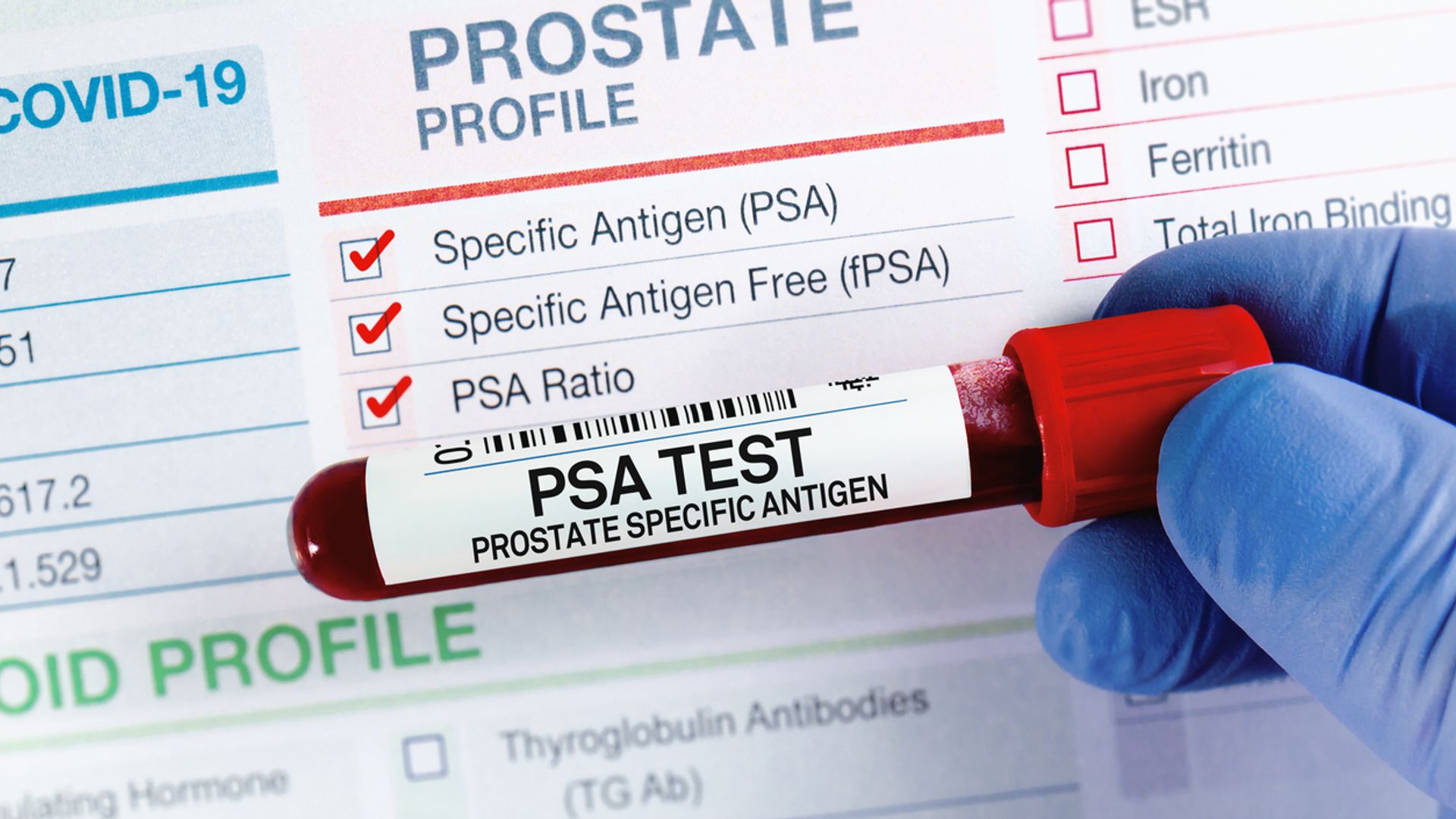
Prostate-Specific Antigen testing combined with high-resolution multiparametric magnetic resonance imaging acts like an electron microscope pointed at a grain of sand. It flags cellular abnormalities that meet the technical definition of malignancy. Yet, autopsies of men who died of completely unrelated causes have repeatedly shown that a staggering percentage of older men harbor dormant, low-grade prostate cancer cells without ever knowing it. They lived with them. They died with them. The cancer was an irrelevant bystander in their biological history.
When you screen indiscriminately, you convert healthy people into patients. You take a man in his sixties, tell him he has cancer, and trigger a cascade of interventions. Biopsies lead to Gleason scores. Gleason scores lead to anxiety. Anxiety leads to radical prostatectomies or radiation schedules that destroy quality of life.
I have watched otherwise healthy men walk into a urologist's office confident and walk out feeling like walking time bombs, all because a lab value ticked slightly past an arbitrary threshold.
The Myth of the Universal Save
Charities love to push the line that testing saves lives without adding the necessary asterisk. The truth is much messier. Randomized controlled trials, such as the European Randomized Study of Screening for Prostate Cancer, show modest reductions in specific mortality at best, achieved only at the cost of massive overtreatment.
For every life extended through aggressive early screening, multiple other men suffer permanent physical damage from treatments they never needed in the first place.
Medicine has a blind spot for iatrogenic harm. We count the tumor caught on a scan as a victory. We rarely count the man who can no longer control his bladder or maintain an intimate relationship as a casualty of our eagerness to intervene. The trade-off is rarely spelled out in the glossy charity pamphlets handed out in waiting rooms.
The honest conversation we refuse to have is that low-grade prostate cancer is often a condition to be managed with watchful waiting—or active surveillance—rather than immediate annihilation. But patience is a hard sell. Fear sells better.
What Active Surveillance Actually Means
If you want to disrupt the current paradigm, you have to embrace doing nothing. Or more accurately, doing precisely the right amount of nothing while watching very closely.
Active surveillance means serial prostate-specific antigen tests, periodic repeat biopsies, and targeted imaging. It means living with the knowledge that cancer cells are present in your body while choosing not to torch your pelvic nerves with a laser or a scalpel.
For the right patient, this is the gold standard of care. Yet, adherence rates drop because the human brain hates ambiguity. Men panic. Wives panic. Doctors, fearful of malpractice litigation if a dormant tumor eventually decides to mutate, often push for definitive treatment anyway.
We suffer from a cultural intolerance for uncertainty. We want a binary outcome. We want the enemy identified and destroyed. But biology does not care about our psychological need for closure.
Treating a slow-growing, indolent tumor with aggressive surgery is like using a sledgehammer to fix a cracked teacup. You might get rid of the crack, but you will destroy the cup in the process.
📖 Related: The Poison in the Suburbs
Redefining the Diagnostic Question
When people search for answers about surging cancer rates, they usually ask: How do I make sure I do not become a statistic?
That is the wrong question.
The better question is: How do I ensure my diagnostic pathway distinguishes between a genuine threat and a harmless biological quirk?
Shifting the question changes everything. It forces a move away from blind compliance with mass screening and toward risk-stratified decision-making. It demands that urologists talk about life-altering side effects with the same clinical gravity they use when discussing tumor grades. It requires patients to interrogate their doctors about the necessity of immediate action rather than simply nodding along in fear.
The contrarian approach is not to abandon healthcare. It is to demand smarter healthcare. It means accepting that some diseases are best left undisturbed and that the modern obsession with total eradication causes more misery than it cures.
Stop panicking over the rising case numbers. Start interrogating the interventions.