The screen glows in the dim light of your kitchen. It is late, the kind of hour where the world feels small and the math feels simple. You have a trip planned. Or perhaps your child needs driving lessons. You find the website, you see the price, and you click. It looks affordable. It feels like a win.
But then, the final step. For a different view, read: this related article.
The screen flickers. A new charge appears. A "booking fee" here, a "digital service charge" there, or perhaps a "mandatory resort fee" that somehow wasn't there sixty seconds ago. You are already invested. You have already pictured the destination, the freedom of the road, the relief of a secured seat. So, you pay. You pay because the trap is already set.
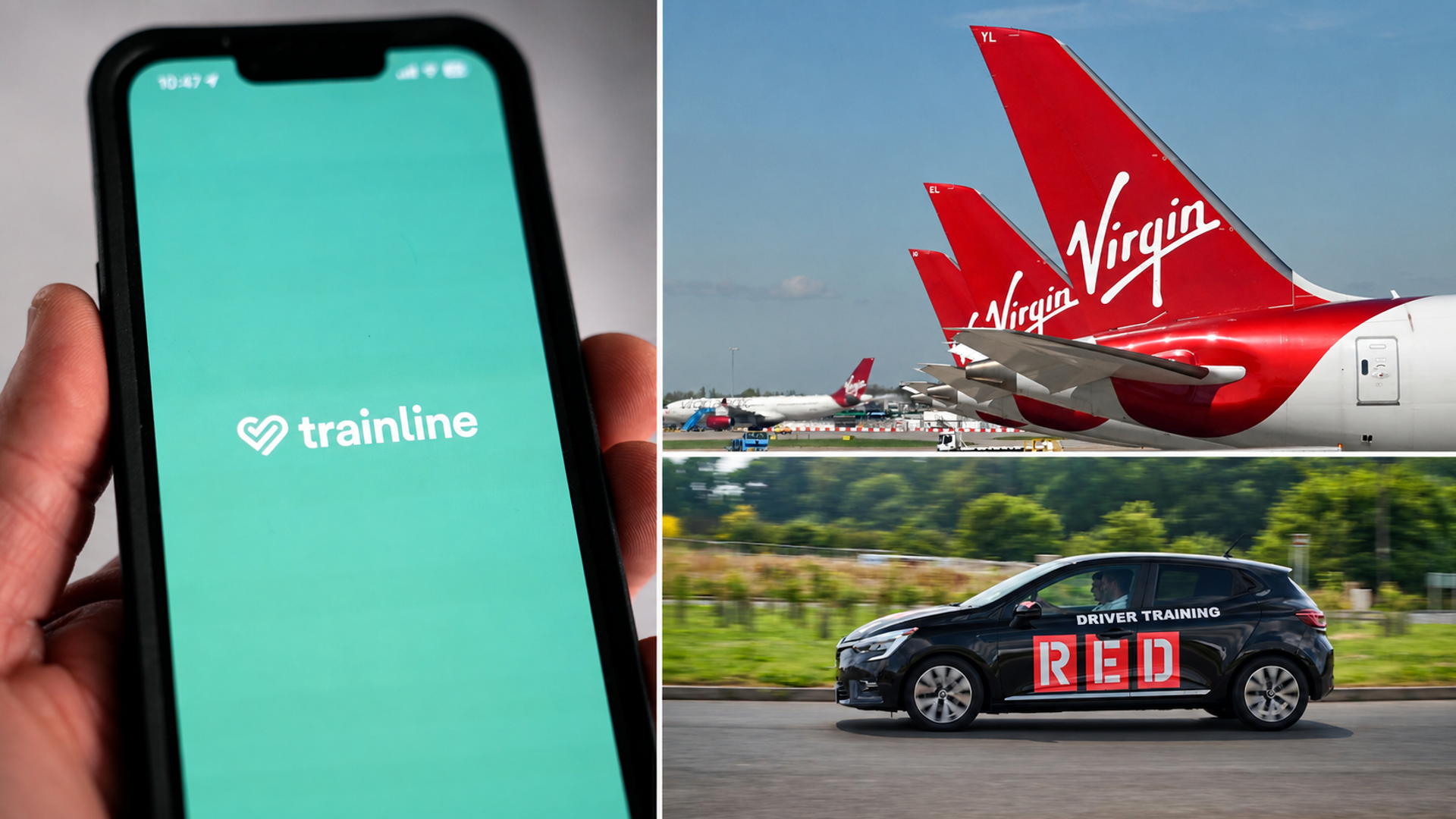
This is the reality of drip pricing, a quiet, corrosive practice now under the microscope of the UK’s Competition and Markets Authority. Today, household names—Trainline, Virgin Atlantic, and Red Driving School—find themselves at the center of a formal investigation. The watchdog is asking a fundamental question: Why is the price you see never the price you actually pay? Similar insight on the subject has been provided by Reuters Business.
Consider Sarah, a hypothetical traveler. She is heading home for the holidays. She budgets carefully, counting every pound. She chooses a train ticket, seeing a price that fits her narrow margins. By the time she reaches the checkout, those sneaky, mandatory fees—ranging from a few coins to a few pounds—have stacked up. It’s a small amount, sure. But for millions of people, those "small" amounts represent the difference between a trip home and staying put.
These companies didn't just stumble into this. The regulator had already issued advisory letters, a polite warning to get their houses in order. They didn't. Now, the mask is off. The CMA is looking at whether these mandatory charges were deliberately separated from the headline price to make services appear cheaper than they truly are. It is a shell game played with your wallet.
The stakes are higher than the price of a ticket. When a company hides its true costs, it doesn't just deceive you; it breaks the market. It makes honest competitors look expensive. It forces you to play a game of mental arithmetic when you should be making decisions based on value.
Trainline, the only listed company among the trio, saw its shares stumble by double digits following the news. It is a visceral reaction to the loss of a narrative—the idea that the "convenience" of their app was worth the extra cost. But if that convenience is built on hidden friction, is it really a service at all?
For those booking package holidays, the sting is sharper. We aren’t talking about a pound or two anymore. Mandatory resort fees and local taxes, often obscured until the final click, can add hundreds to a bill. Imagine arriving at a vacation you thought was fully paid for, only to be hit with a bill that feels like a ransom.
The regulator has the power to demand compensation and levy fines up to ten percent of a firm’s global turnover. That is a threat that carries weight. It is the sound of a system trying to force honesty back into the fold.
But for now, the screen in your kitchen remains. The lesson is simple, even if the pricing isn't: when you see a price that feels too good to be true, it likely is. The industry calls it "drip pricing." You might call it a headache.
The next time you click that button, take a breath. Look for the fine print. Don't let the ease of the interface distract you from the numbers. Because until these companies are forced to show the full cost of the journey upfront, you are the only one guarding your own bottom line.
Watch the total. Keep your eyes on the final number. The true cost is rarely in the headline.