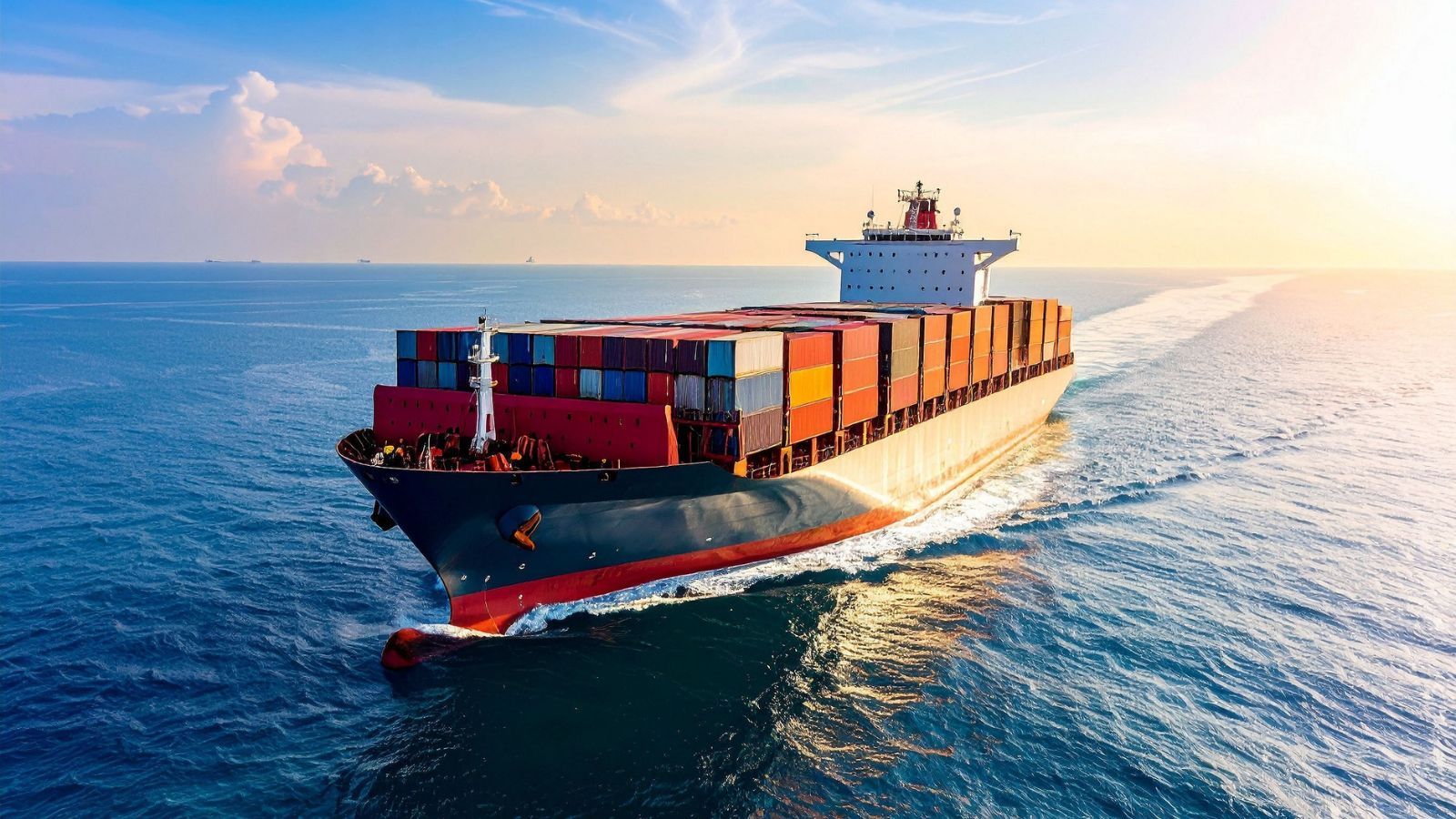
Summer across the continent used to mean a predictable slowdown, a quiet hum of commerce before the autumn rush. Not anymore. Extreme climate stress has permanently rewritten the operational ledger for European corporations, transforming seasonal weather anomalies into structural threats that rattle supply chains, inflate insurance premiums, and choke vital waterways. Markets are pricing in a reality that corporate boards spent decades dismissing as distant hypotheticals.
The core driver of this economic erosion is not a single catastrophic storm, but the compounding friction of chronic environmental degradation. When Rhine water levels drop too low for heavy cargo barges to carry standard payloads, manufacturing hubs in Germany do not just experience a logistical hiccup; they face immediate production throttling. When agricultural yields in southern Spain plummet due to protracted drought, the shockwaves travel straight to supermarket shelves in Berlin and Stockholm, accelerating food inflation. This is the new baseline. Corporations can no longer write off heatwaves and water shortages as temporary aberrations on an otherwise stable balance sheet.
The Balance Sheet of Broken Infrastructure
Legacy infrastructure was engineered for a climate regime that no longer exists. Rail networks warp under unprecedented thermal loads. Coastal refineries face rising sea tables and increasingly stringent cooling restrictions because the rivers supplying their heat exchangers are already too warm.
Consider a mid-sized chemical manufacturer in the Po Valley. During a severe summer drought, regional authorities routinely mandate water rationing. The plant must cut output by forty percent to comply with municipal conservation orders. Revenue drops. Fixed costs remain stubbornly high. Credit rating agencies downgrade the firm because its physical risk exposure has spiked overnight.
This scenario repeats thousands of times across the continent every July and August. The economic damage bypasses sensational headlines, hiding instead within declining operating margins and soaring capital expenditures. Companies are forced to spend billions retrofitting plants for extreme weather resilience, capital that would otherwise fund expansion or research.
The Insurance Market Retreat
Capital follows security. For decades, property and casualty insurers absorbed the risks of industrial expansion across floodplains and coastal zones, charging manageable premiums. That bargain has dissolved.
Major insurance syndicates are quietly pulling out of high-exposure regions or tripling deductibles. Commercial property owners in southern Europe find themselves priced out of adequate coverage. Without reliable insurance, long-term project financing stalls. Banks refuse to underwrite new commercial construction in zones deemed vulnerable to chronic flooding or wildfire.
A commercial real estate portfolio in Greece or Portugal no longer operates on standard risk models. Underwriters look at historical loss data and throw it out, realizing yesterday’s hundred-year flood is tomorrow's regular occurrence. The resulting protection gap means businesses carry the full weight of physical asset destruction on their own books.
Capital Reallocation Pressures
Institutional investors notice these shifts. Pension funds and sovereign wealth allocators now evaluate European firms through a hardened climate-risk lens. Companies failing to disclose and mitigate their physical vulnerabilities face higher costs of capital.
The market punishes unpreparedness swiftly. When a major utility company admits its hydroelectric output will fall short for the third consecutive summer due to depleted snowpacks, its stock price reacts immediately. Shareholders are no longer pacified by green marketing campaigns. They demand hard data on asset relocation, supply chain redundancy, and energy procurement diversification.
The Supply Chain Chokepoint Illusion
Modern manufacturing relies on just-in-time logistics, a system designed for efficiency under stable conditions. Climate stress shatters that efficiency.
When extreme heat buckles highway asphalt or forces speed restrictions on freight rail networks, delivery windows expand unpredictably. Companies that outsourced production to single-source vendors to save marginal costs suddenly discover their entire operational pipeline hostage to regional weather patterns.
Redundancy costs money. Stockpiling critical components ties up working capital. Yet, the alternative—standing idle because a key supplier's factory lost power during a grid brownout caused by runaway air conditioning demand—proves far more expensive. Corporate strategists are scrambling to re-engineer supply chains for resilience rather than pure cost minimization, a painful transition that permanently alters consumer price structures.
The Labor Productivity Drain
Economic output depends on human capacity. As prolonged heatwaves envelop southern and central Europe, outdoor labor—spanning construction, agriculture, and logistics—faces severe regulatory restrictions.
Workers cannot labor safely under peak afternoon sun when temperatures shatter historical records. Shift times shift to pre-dawn hours, complicating coordination and slowing output. Indoor facilities lacking legacy industrial climate control experience rising error rates, absenteeism, and cognitive fatigue among workers.
The macro-level productivity loss runs into the billions of euros annually. National economies built on service sectors and advanced manufacturing find their human capital constrained by atmospheric physics.
The Regulatory Squeeze
Governments are shifting from voluntary guidelines to mandatory enforcement. The Corporate Sustainability Reporting Directive forces companies to lay bare their physical and transition risks with unprecedented transparency. Greenwashing no longer shields executives from liability.
Regulatory compliance demands heavy investment in auditing tools, data collection systems, and specialized legal counsel. Firms that ignored environmental exposure find themselves buried under compliance overhead. Non-compliance invites punitive fines and investor flight.
The transition is messy, uneven, and expensive. Markets are forcing a reckoning between short-term quarterly profit motives and long-term systemic survival. Capital is slowly, painfully migrating away from vulnerable assets toward enterprises capable of operating within a volatile biosphere. The illusion of a climate-neutral economy is gone, replaced by the hard arithmetic of adaptation