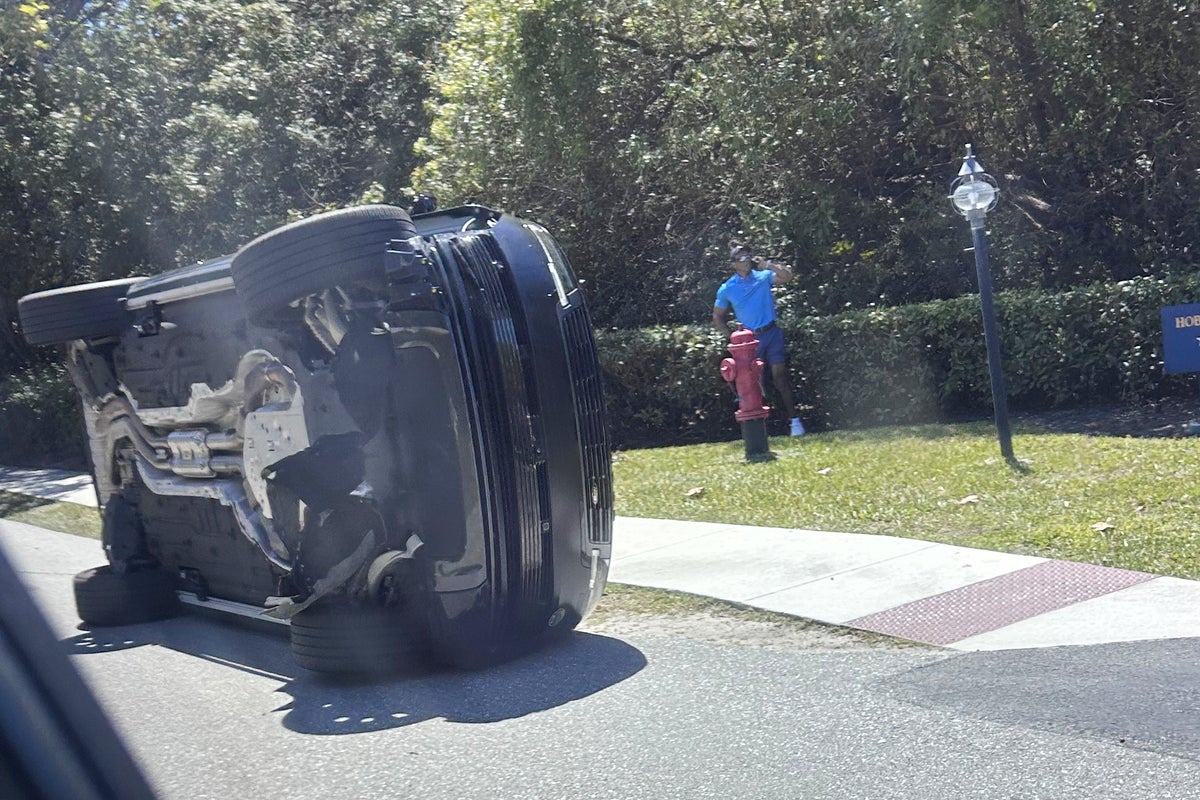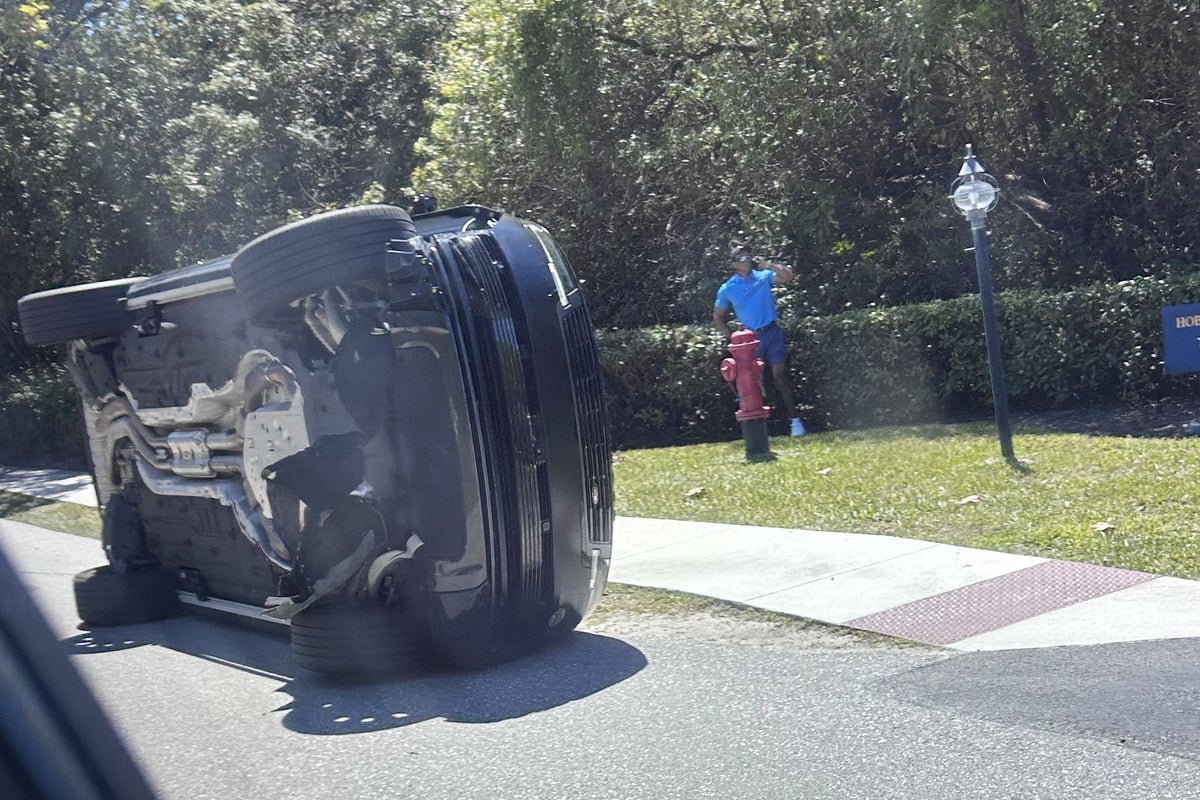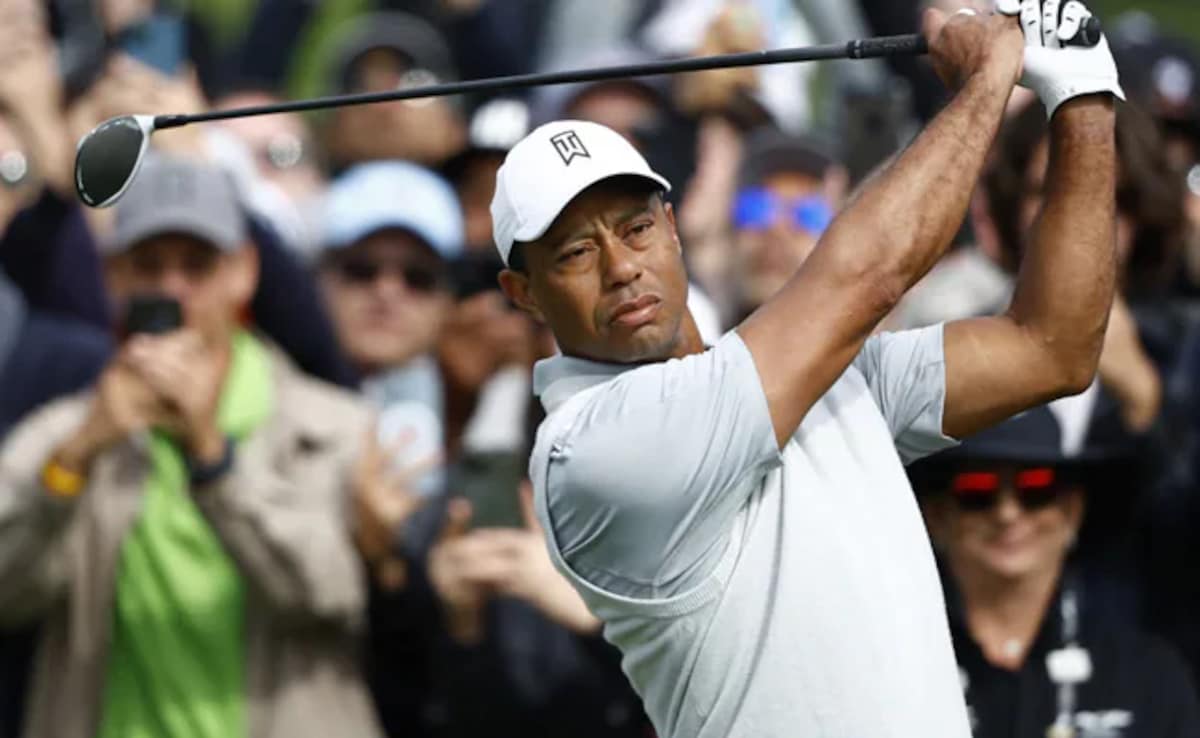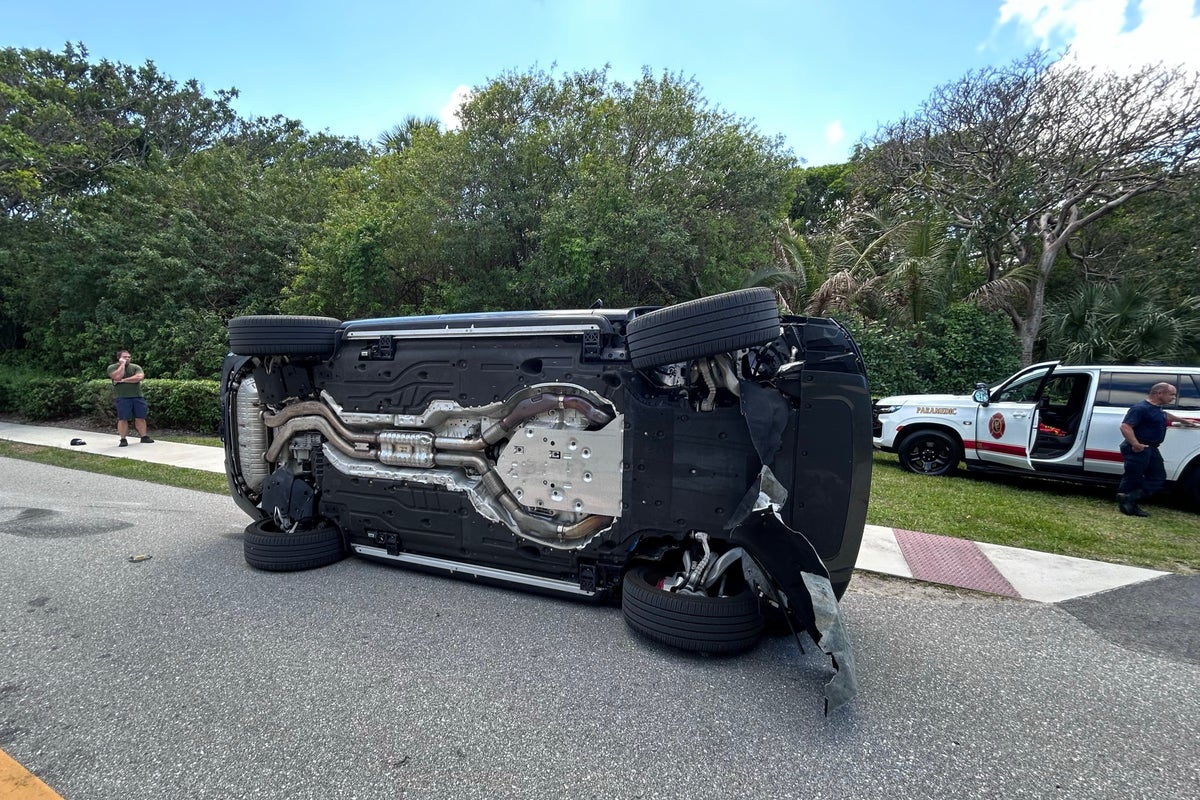
The narrative surrounding Tiger Woods has always been one of recovery. For two decades, the public has watched a cycle of shattered bones, surgical interventions, and the inevitable, gritty return to the fairway. But as the Masters looms, the focus has shifted from his golf swing to his stability. Recent reports of another vehicular incident involving the fifteen-time major champion have stripped away the veneer of the "aging athlete" trope, revealing a much more complex and concerning reality. This isn’t just about a golfer trying to find his form; it is about the physical and psychological toll of a life lived under a microscope while navigating chronic pain and the aftermath of multiple high-speed traumas.
The pattern is impossible to ignore. From the infamous 2009 hydrant collision in Windermere to the 2017 arrest in Jupiter and the near-fatal 2021 rollover in Rancho Palos Verdes, Woods has become as synonymous with automotive wreckage as he has with Sunday red. While fans clamor for one more miracle at Augusta, the recurring nature of these incidents suggests a man struggling with the basic logistics of a post-accident existence.
The Physical Debt of a Modern Legend
The human body was never designed to endure what Tiger Woods has forced upon his. We often speak of his "comebacks" as if they are purely matters of will. They are not. They are matters of titanium, fused vertebrae, and the management of relentless, daily discomfort.
To understand the "why" behind the latest headlines, one must look at the 2021 crash in California. That accident didn't just break his leg; it pulverized his right ankle and subtalar joint. When a surgeon performs an ankle fusion, they are essentially trading mobility for stability and a reduction in pain. However, that trade-off has a massive ripple effect on the rest of the body. For an elite golfer, the feet and ankles are the foundation of the kinetic chain. When that foundation is rigid, the stress moves upward to the knees, the hips, and eventually the lower back—an area where Woods has already undergone five surgeries.
Chronic pain is a silent passenger. It affects sleep, cognitive clarity, and reaction times. While there has been no official confirmation of impairment in the most recent mishap, any veteran investigator knows that the lingering effects of long-term trauma management can create a fog that is difficult to shake. Woods isn't just fighting his competitors on the course; he is fighting a nervous system that has been in a state of high alert or high repair for fifteen years.
The Isolation of the Inner Circle
One of the most overlooked factors in the Tiger Woods saga is the vacuum of his social and professional environment. High-net-worth athletes of his caliber do not live in the same world as the rest of us. They are surrounded by "fixers," agents, and a security apparatus designed to keep the world out. While this protects the brand, it often isolates the individual from the very guardrails that prevent a downward spiral.
In the 2017 incident, dashcam footage showed a disoriented Woods struggling to pass a field sobriety test. He later attributed the state to an unexpected reaction to prescription medications, including painkillers and sleep aids. This is a common trap for those dealing with the "highs and lows" of professional recovery. You take something to sleep so you can train, then you take something to manage the pain from training, and eventually, the chemistry of your daily life becomes a precarious balancing act.
When a superstar is involved in "another car accident," the first instinct of the management team is damage control. But the recurring nature of these events suggests that the internal support system may be failing to address the root cause. Whether it is a lack of sleep, the side effects of necessary medication, or simply the exhaustion of being Tiger Woods, the guardrails are clearly missing.
The Masters and the Myth of the Iron Will
The timing of this latest incident, occurring just days before he is expected to walk the hilly, grueling terrain of Augusta National, highlights the absurdity of the current expectations. The Masters is arguably the most physically demanding walk in professional golf. To expect a man who has recently been involved in a vehicle mishap—and who already walks with a visible limp—to compete at the highest level is more than optimistic. It is borderline delusional.
Yet, the golf industry needs him. Television ratings for tournaments without Woods are significantly lower. The "Tiger Effect" is worth billions to the PGA Tour and its sponsors. This creates a perverse incentive structure where Woods is encouraged, or perhaps even feels a moral obligation to the sport, to push his body beyond its breaking point.
The "Iron Will" that won the 2008 U.S. Open on a broken leg has become a double-edged sword. That same refusal to quit, which made him a legend, is likely what prevents him from stepping away when his body and mind are signaling for a total shutdown. He is a man who has been conditioned to play through the pain, but there is a point where "playing through" becomes "crashing through."
Comparing the Incidents
If we look at the timeline of his vehicular history, a clear trend emerges regarding his physical state at the time of each crash.
| Year | Location | Primary Physical Factor | Outcome |
|---|---|---|---|
| 2009 | Florida | Marital distress / Sleep medication | Public scandal; Career hiatus |
| 2017 | Florida | Post-surgery medication mix | DUI arrest; Reckless driving charge |
| 2021 | California | Post-op recovery / Speeding | Severe leg injuries; Long rehab |
| 2026 | Georgia | Cumulative chronic pain / Fatigue | Minor damage; Safety concerns |
Each of these events marks a moment where the private struggle spilled out onto public roads. The 2021 crash was the most violent, involving speeds nearly double the limit on a downhill stretch of road. The fact that he survived was a testament to modern automotive safety. The fact that he continues to get behind the wheel in high-stress periods suggests a disconnect between his physical reality and his perceived capabilities.
The Psychological Weight of the GOAT Title
Being the Greatest of All Time is a heavy mantle. For Woods, his identity is entirely wrapped up in his ability to perform. Unlike other legends who transitioned gracefully into elder statesmen roles, Woods has remained a protagonist. He doesn't want to play on the Champions Tour; he wants to beat the twenty-somethings who grew up with his posters on their walls.
This psychological drive is what makes him compelling, but it is also what makes these "lows" so jarring. When he fails, he fails in a way that feels catastrophic. A fender bender for an average person is an insurance claim. For Woods, it is a referendum on his sobriety, his health, and his future in the game. The pressure of maintaining the "Tiger" persona while his body is failing him must be immense.
We see this in his press conferences. He is guarded, uses short sentences, and often deflects questions about his health with vague statements about "feeling good enough to go." But the eyes tell a different story. They tell a story of a man who is tired of being the story for all the wrong reasons.
The Inevitability of the Pivot
At some point, the cycle of "crash and comeback" must end. The golfing world is terrified of that day because they haven't found a successor who can carry the sport's commercial weight. But for the man himself, the pivot away from the driver's seat—both literally and figuratively—may be the only way to find peace.
The industry needs to stop asking if he can win another Green Jacket and start asking if he is okay. The focus on his "Masters prep" in the wake of another accident is a sign of how dehumanized he has become in the eyes of the media and the public. He is viewed as a content generator first and a human being second.
If Woods wants to avoid another "low," the solution isn't a better swing coach or a new putter. It is a fundamental shift in how he manages his life away from the course. This might mean admitting that he can no longer drive himself to events, or that the medications required to get him onto the first tee are too high a price to pay for a top-twenty finish.
The brutal truth is that the golf course is the only place where Tiger Woods seems to have total control. On the grass, within the ropes, he understands every variable. But the minute he leaves that controlled environment and steps into a vehicle, he is back in a world where his physical limitations and the weight of his history are inescapable. The next few days in Augusta will tell us if he can still find the magic on the course, but the real story is happening on the roads and in the quiet moments between the rounds.
Stop looking at the scoreboard and start looking at the man.
The next time you see Tiger Woods walking toward the first tee, don't ask if he'll break Jack Nicklaus's record. Ask what it cost him just to get out of the car.