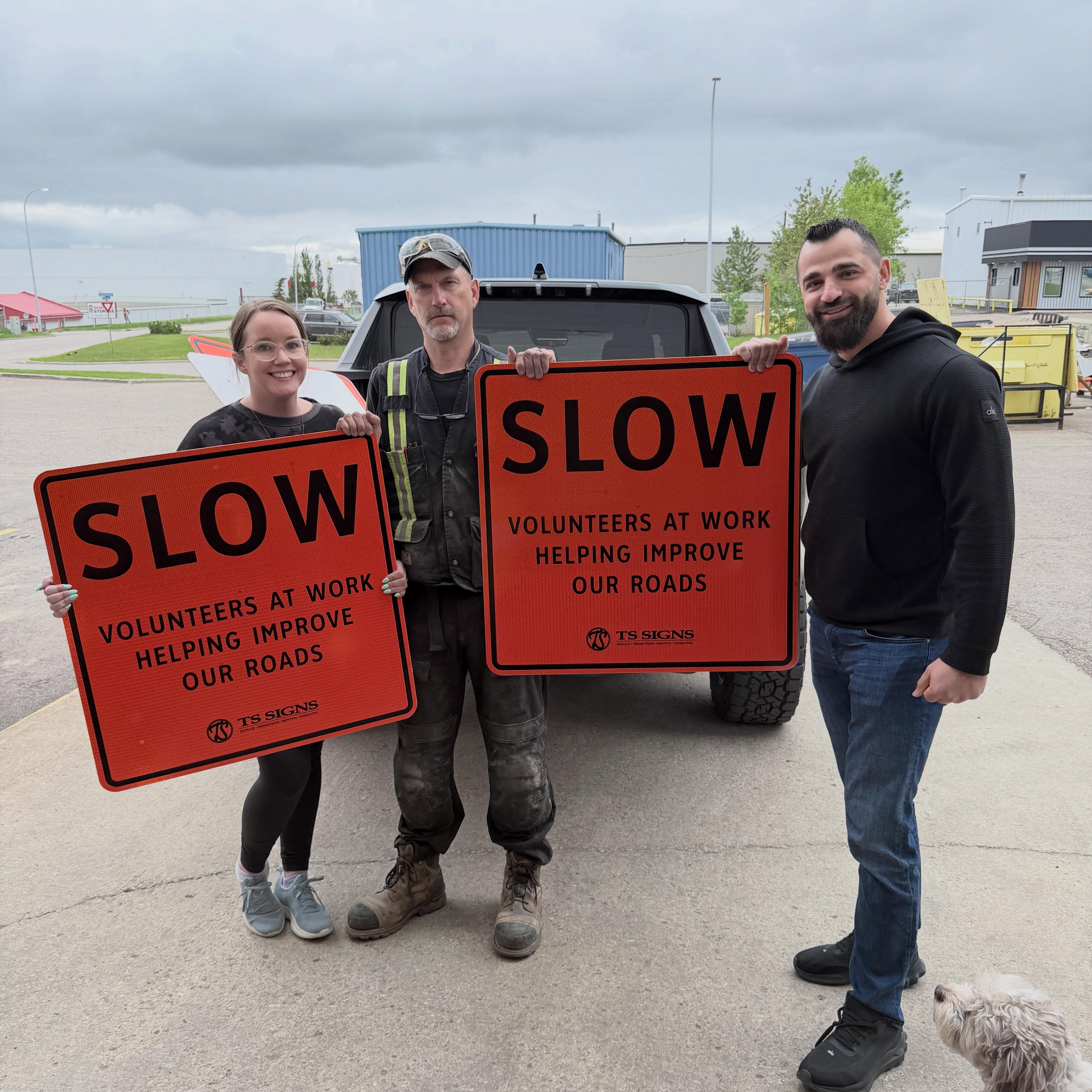
The modern obsession with the "local hero" is blinding us to basic civil engineering.
We love the narrative. A fed-up resident in a resource town like Fort McMurray grabs a shovel, buys some cold-mix asphalt from a big-box store, and fills a crater on Highway 63 himself. The internet applauds. The local media writes a heartwarming feature about community grit. The underlying message? "The government is useless, bureaucracies are broken, and direct action wins."
It is a comforting story. It is also completely wrong.
In fact, DIY road repairs are an absolute disaster for public infrastructure, municipal liability, and long-term tax allocation. When citizens take highway maintenance into their own hands, they are not fixing a problem. They are delaying real systemic solutions, creating massive legal liabilities, and wasting their own money on temporary fixes that will wash away in the next heavy rain.
Stop treating rogue asphalt patching as an act of heroic defiance. It is infrastructure vandalism wrapped in good intentions.
The Illusion of the Quick Fix
Let us dismantle the core myth right away: the idea that filling a hole with a bag of retail cold-mix is the same as repairing a road.
Civil engineering is not a weekend craft project. Professional road maintenance requires a precise understanding of structural layers, moisture content, and material science. When a pothole forms on a high-traffic corridor like Highway 63—a primary artery for heavy industrial traffic moving through the Canadian oil sands—it is rarely just a surface issue. It is a symptom of sub-base failure.
Water penetrates the asphalt, freezes, expands, and compromises the aggregate base beneath. When heavy trucks roll over that weakened spot, the surface collapses.
[Surface Asphalt Layer] -> Cracked / Potholed
--------------------------------------------------
[Aggregate Sub-Base Layer] -> Eroded by Moisture (The Real Problem)
--------------------------------------------------
[Subgrade Soil Layer]
When an untrained resident dumps cold-mix into that hole and stomps on it with their boots, they are ignoring the sub-base entirely. They are trapping moisture underneath a loose, porous plug.
Within weeks, or even days under the weight of commercial transport vehicles, that DIY patch will fail. The aggregate will scatter across the highway, turning into flying projectiles that crack windshields and dent bodywork. The hole returns, usually wider and deeper than before because the trapped moisture accelerated the deterioration of the surrounding pavement.
I have seen municipal budgets bleed hundreds of thousands of dollars because crews had to spend double the time scraping out amateur, unbonded asphalt patches before they could actually deploy a proper, heated reclamation rig. You are not saving the taxpayer money; you are adding a cleanup fee to the eventual bill.
The Legal Nightmare of Vigilante Engineering
Let us talk about liability, because this is where the romantic notion of the "citizen fixer" completely falls apart.
What happens when a DIY patch fails? Imagine a scenario where an amateur repair job creates a slick spot or throws loose gravel across a multi-lane highway. A motorcyclist hits that debris, loses control, and suffers severe injuries.
In the minds of the public, the blame still rests on the Department of Transportation for letting the road get bad in the first place. But in a court of law, the landscape changes entirely. By intervening without authorization, proper signage, traffic control, or certified materials, the individual resident has introduced a new, unquantified hazard to a public right-of-way.
Government entities operate under strict statutory immunities and specific maintenance timelines. They are protected by policy decisions. A private citizen has no such shield. If you modify a public highway and that modification causes property damage or bodily harm, you are personally exposed to immense civil liability.
Furthermore, you endanger the very city workers you claim to be helping. Professional road crews do not just show up with a truck; they deploy arrow boards, crash attenuation vehicles, and high-visibility staging zones. Stepping onto a highway like Highway 63 without traffic control to play savior is a supreme act of recklessness. You are risking your life, and the lives of passing motorists, for a temporary PR stunt.
Why Slow Government is Often Good Engineering
The "lazy consensus" driving the praise for these residents is that government delay is always caused by laziness or red tape. "Why does it take the province six months to fix something a guy named Dave did in twenty minutes?"
It takes six months because the province is managing an asset portfolio, not playing whack-a-mole.
Asset management professionals use strict prioritization frameworks based on Level of Service (LoS) metrics and Lifecycle Cost Analysis (LCCA). They do not fix roads based on who is complaining the loudest on Facebook. They fix roads based on structural integrity indices and traffic volume.
| Repair Type | Initial Cost | Expected Lifespan | Impact on Sub-base |
|---|---|---|---|
| DIY Cold-Mix | Low (Out of pocket) | Weeks / Months | Traps moisture, accelerates damage |
| Emergency Patch | Medium (Public funds) | 1–2 Seasons | Temporary hold, requires monitoring |
| Full Depth Reclamation | High (Budgeted capital) | 10–15 Years | Restores structural integrity |
When a government agency delays a patch, it is frequently because that section of road is already slated for a full-depth reclamation or a complete resurfacing in the upcoming fiscal cycle. Spending capital on localized, temporary fixes right before a major rehabilitation project is a textbook definition of fiscal waste.
When residents jump the gun and perform unauthorized repairs, they distort the data. They mask the true rate of degradation that automated scanning vehicles detect during routine inspections. This can actually push the road down the priority list for major capital funding because, on a surface level, it looks temporarily stable. You are actively delaying the multi-million-dollar permanent fix because you could not wait for the scheduled maintenance cycle.
The Hard Truth of Infrastructure Funding
Here is the contrarian reality nobody wants to admit: if your local highways are crumbling, the solution is almost never "more efficient patching." The solution is admitting that we have underfunded infrastructure asset renewal for decades while demanding artificially low property and corporate tax rates.
Resource towns face a unique economic reality. They support massive, heavy-haul industrial traffic that degrades pavement at an exponential rate compared to standard municipal roads. The damage done to a road by a single fully loaded commercial transport truck can equal the impact of thousands of passenger cars.
Damage ∝ (Axle Load)^4
This fourth-power law means that small increases in vehicle weight cause massive, non-linear increases in road wear.
Chipping in twenty bucks for a bag of gravel does not solve this systemic imbalance. It distracts from it. It allows provincial and municipal leaders to escape accountability because the public's anger is channeled into performative, self-reliant theater rather than organized demands for structural tax reform and dedicated industrial user fees.
If you want better roads, drop the shovel. Stop buying cold-mix. Stop applauding the dangerous, short-sighted antics of amateur road crews who are doing more harm than good to the underlying engineering of our transportation corridors.
Instead, look at the capital budget. Demand an audit of the asset management plan. Force the industries using the heavy corridors to pay direct, targeted tolls for pavement rehabilitation.
If you want to fix the highway, stop acting like a construction worker and start acting like an asset manager. Leave the asphalt to the people who actually understand the fourth-power law, and use your voice to fix the system that funds the machines. Anything less is just playing in the dirt.


