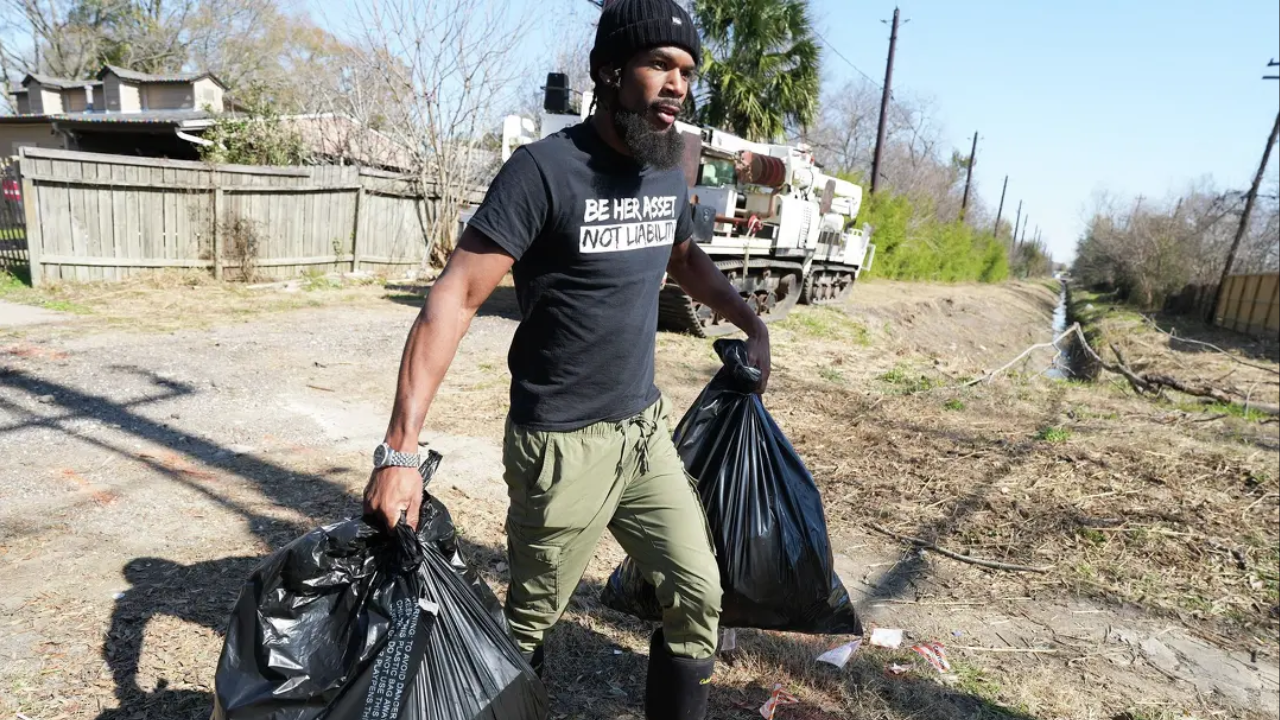
Stop congratulating yourselves for picking up a discarded Lucozade bottle at mile 14.
The Brighton Marathon is a logistical behemoth. It is a celebration of human endurance, a cardiovascular feat, and—increasingly—a stage for the most inefficient environmental "solution" ever conceived: plogging. For the uninitiated, "plogging" is the Swedish-born portmanteau of plocka upp (pick up) and jogging. It sounds noble. It looks great on Instagram. It is, in reality, a distraction from the structural waste problems that marathons actually create.
If you spent the Brighton Marathon stopping and starting to grab plastic off the pavement, you didn’t save the planet. You just ruined your gait, destroyed your personal best, and gave a free pass to the event organizers who should have banned single-use plastics years ago.
The Biomechanical Nightmare of Hybrid Cleaning
Let’s talk about the physical cost. Running a marathon is an exercise in rhythmic efficiency. Your body relies on a consistent kinetic chain. When you "plog," you are introducing repetitive, asymmetrical spinal loading.
Most ploggers reach down with the same dominant hand. They bend at the waist because they are in a hurry. They carry a bag that grows heavier and more unbalanced with every kilometer. You aren’t "doubling your workout." You are inviting a herniated disc or a hip flexor strain. I have seen amateur runners limp into clinics with "plogger’s knee"—a lovely cocktail of IT band syndrome exacerbated by the sudden deceleration and twisting required to snag a gel packet from the gutter.
If you want to clean, clean. If you want to run, run. Combining them is the fitness equivalent of trying to brush your teeth while eating a steak. You do both poorly.
The Math of Futility
The Brighton Marathon attracts roughly 12,000 runners. Each runner, on average, consumes multiple water pouches or bottles. We are talking about hundreds of thousands of pieces of waste generated in a few hours.
The "lazy consensus" suggests that if everyone just picked up a few pieces, the course would be spotless. This is mathematically illiterate. A plogger slows their pace by roughly 30 to 90 seconds per kilometer depending on the density of the litter. In a race where the "sweeper" vehicles and professional cleaning crews are already contracted to scrub the streets immediately following the final wave, the plogger is performing redundant labor.
You are doing for free what the race fee—which has ballooned to nearly £70—is already supposed to cover. You are subsidizing the cleanup costs of the organizers with your own sweat and spinal health.
The Moral Hazard of the Plogging Badge
The real danger of plogging at major events like Brighton is the "moral licensing" it provides. Psychological research suggests that when people perform a small, highly visible "green" act, they feel entitled to skip more difficult, systemic changes later.
By plogging the marathon, you feel you have "done your bit." You post the photo of your bag of trash. You get the dopamine hit. But did you lobby the Brighton & Hove City Council to mandate compostable seaweed pods instead of plastic? Did you boycott the brands that wrap their medals in unnecessary cellophane?
No. You picked up the trash they created, effectively validating their right to create it. You are the unpaid janitor for a for-profit event.
Dismantling the "Awareness" Argument
Plogging advocates claim they are "raising awareness."
Awareness of what? That trash exists? We know. We are standing in it. The streets of Brighton post-marathon are a graveyard of aluminum, plastic, and discarded foil blankets. We don’t need more awareness; we need a total overhaul of the race-day hydration model.
Events like the London Marathon have experimented with Ooho edible water pods. That is a systemic shift. Plogging is a cosmetic band-aid. It shifts the burden of waste from the producer (the marathon organizers and sponsors) to the consumer (you).
How to Actually Be an Environmentalist Runner
If you actually care about the impact of the Brighton Marathon, stop bending over.
- Self-Sufficiency is the Only Virtue: Carry your own hydration vest. Refuse every single-use bottle offered at a station. If 12,000 runners did this, the waste problem would vanish overnight without a single "plog" being necessary.
- The "Check-In" Protest: Leave your discarded outer layers (the "throwaway" clothes used at the start line) with official charity collection points only. Don't toss them over the fence and assume a plogger will find them.
- Attack the Source: Use your social capital to demand a "cup-less" race. Several trail races already do this. You bring your own collapsible cup, or you don't drink. It's harsh. It's effective. It works.
The Brutal Truth
Plogging is a hobby for people who want the aesthetics of activism without the friction of actual change. It is a performative distraction that allows corporations to continue polluting because they know a fleet of well-meaning, mid-pack runners will tidy up the mess for a "likes" on social media.
Your 26.2 miles should be a pursuit of personal excellence. Don't turn it into a slow-motion janitorial shift. If you see trash on the Brighton course, don't pick it up. Leave it there. Let it be an eyesore. Let the organizers see the literal mountain of waste they’ve facilitated.
Only when the mess becomes an unavoidable PR nightmare will the industry move toward real, systemic sustainability. Until then, stop plogging. Start running.