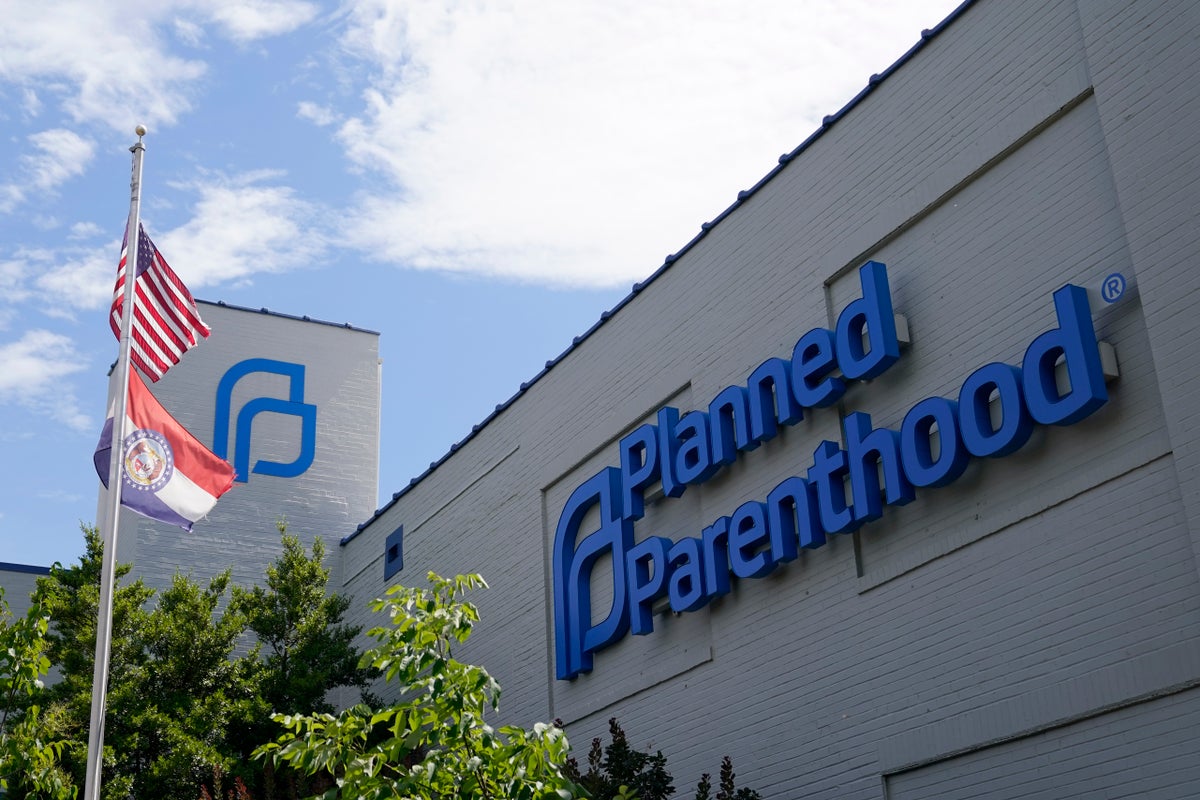
Planned Parenthood is about to get its federal lifeline back, but nobody should pop the champagne just yet.
On July 4, 2026, the one-year ban blocking federal Medicaid dollars from reaching the organization is set to expire. Last year, congressional Republicans used the budget reconciliation process to pass the One Big Beautiful Bill Act (OBBBA), achieving a long-sought conservative goal: stripping Planned Parenthood of federal funding. Because the Senate parliamentarian ruled that the defunding provision could only apply temporarily for a single year, the clock has finally run out.
Now, top Republicans admit they don't have the votes to extend the moratorium. The razor-thin majorities in both chambers, combined with tough election-year politics, make another funding fight a massive risk for vulnerable incumbents.
But if you think this means a smooth return to normal operations for reproductive health clinics, you're missing the bigger picture. The reality on the ground is messy, highly localized, and financially fractured.
The Actual Cost of a One Year Freeze
A common misconception is that federal dollars directly pay for abortions. They don't. The Hyde Amendment has blocked federal cash from funding abortion services for decades, with very few narrow exceptions.
Instead, the OBBBA cut off federal Medicaid reimbursements for non-abortion services. We're talking about routine care: birth control, cancer screenings, and STI testing. Before the ban, nearly half of all Planned Parenthood visits nationwide were from patients relying on Medicaid to cover their care.
Cutting off that money caused immediate structural damage. A recent report from the Kaiser Family Foundation (KFF) highlights just how brutal the financial squeeze has been. Since January 2025, 57 Planned Parenthood clinics across 20 states have shut their doors or consolidated with other locations. According to data published by Senate Democrats, Planned Parenthood provided $45 million in uncompensated care to 100,000 Medicaid patients in September 2025 alone. Clinics simply couldn't absorb those losses indefinitely.
The Post July Red Tape
Even when the clock strikes midnight on July 4, money won't instantly pour back into these clinics. There's no historical blueprint for this. Planned Parenthood has never been blocked at the federal level and then reinstated a year later.
Nora Walsh-DeVries, Planned Parenthood’s vice president for political and legislative affairs, noted that while affiliates expect to start accepting Medicaid insurance again, the administrative transition will be full of hiccups.
The biggest hurdle isn't Washington. It's the states.
Last year, the Supreme Court ruled that individual states have the authority to exclude abortion providers from their local Medicaid programs. This means even if the federal government allows Medicaid funds to flow, conservative-led states can—and will—use the high court's ruling to keep their own state-level bans firmly in place. If you live in a state hostile to reproductive rights, your local clinic might remain locked out of the Medicaid network entirely.
The Political Math Keeping the Ban Dead
Why aren't Republicans fighting harder to extend the ban right now? It comes down to basic math and shifting voter priorities.
Conservative advocacy groups are applying immense pressure. Organizations like Students for Life Action are threatening to hand out failing grades on their legislative scorecards to any Republican who lets the ban expire. Marjorie Dannenfelser, president of Susan B. Anthony Pro-Life America, has been aggressively lobbying Senate Republicans to push through a new reconciliation bill to keep the funding freeze alive.
But GOP leadership knows the votes aren't there. Senator Steve Daines recently admitted that passing another reconciliation package would be incredibly difficult given the current tight margins.
Furthermore, the electorate's focus has shifted. While abortion dominated the conversation during the 2022 midterm cycle after the Dobbs decision, the 2026 political landscape is overwhelmingly dominated by the economy and the cost of living. Vulnerable Republicans in swing districts simply don’t want to take a highly polarizing vote on reproductive health right before voters head to the ballot box in November.
How to Track Local Access Going Forward
If you rely on these clinics or want to monitor how this funding shift impacts your community, you can't just look at federal headlines. You have to watch your state legislature.
First, check your state's current stance on Medicaid expansion and provider exclusion laws. States like California and New York are actively smoothing the transition for clinics, while other states are drafting local rules to circumvent the federal expiration.
Second, monitor the Title X family planning grant allocations in your area. The Trump administration's freeze on these grants last year forced dozens of clinics out of the program. A clinic's survival often depends more on these localized grants and state-level safety nets than the overarching drama in Washington. The battle lines haven't vanished; they've just moved from the floors of Congress to state capitals.