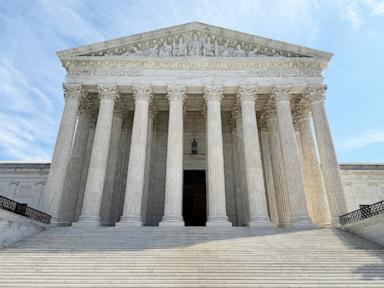
The Supreme Court just spent a heavy Wednesday morning weighing the fate of nearly 400,000 people. If you've been following the news, you know the Trump administration wants to end Temporary Protected Status (TPS) for Haitians and Syrians. But this isn't just a debate about two countries. It's a high-stakes legal tug-of-war over how much power a president actually has to change their mind on humanitarian aid.
Arguments in the consolidated case Mullin v. Doe wrapped up today, and honestly, the vibe in the courtroom suggests the conservative majority is leaning toward the White House. For the families living in limbo, the "temporary" part of TPS is suddenly feeling very real and very short.
Why Haiti and Syria are the tipping point
TPS was designed as a safety valve. If a country gets hit by a massive earthquake or swallowed by a civil war, the U.S. lets its citizens stay here and work until things settle down. The problem is "settle down" is a subjective term.
The Trump administration argues that the conditions that originally triggered the protection—the 2010 earthquake in Haiti and the start of the Syrian war—have changed enough that the U.S. isn't legally obligated to keep the door open. Critics, including the lawyers representing TPS holders, say that's a wild oversimplification. They point to the State Department’s own travel advisories, which basically tell Americans "don't go there" because of extreme violence and kidnapping risks.
It’s a bizarre contradiction. The government is essentially saying these countries are too dangerous for tourists but safe enough for deportees.
The legal fight you aren't hearing about
Most headlines focus on the humanitarian crisis, but the Supreme Court is obsessed with a different question: Can a judge even tell the President "no" on this?
Solicitor General D. John Sauer argued today that federal law actually prevents courts from reviewing these decisions at all. He claims that when the Secretary of Homeland Security decides a country is "safe enough," that’s a final call. No second-guessing allowed.
If the Court agrees with this "no judicial review" argument, it won't just affect Haitians and Syrians. It'll effectively give any administration a blank check to wipe out protections for over a million people from 13 different countries, including Venezuela and Honduras, without having to prove their math in court.
The real impact on the ground
I've talked to folks who have lived under TPS for over a decade. They aren't just "visitors." They’re your neighbors. In places like Miami and East Orange, NJ, Haitian TPS holders are a backbone of the local economy.
- Economic stakes: We’re talking about $3.9 billion in household income and nearly $1 billion in annual taxes.
- Family ties: There are roughly 50,000 U.S. citizen children who have at least one parent protected by Haitian TPS.
- Workforce: Removing these workers would hit the healthcare and construction industries the hardest right when labor is already tight.
The administration’s stance is that TPS was never meant to be a permanent residency program. They’re technically right. But when you let people stay for 15 years, they build lives. They buy houses. They start businesses. You can't just flip a switch and expect that not to break something in the community.
What happens next
Don't expect a final ruling tomorrow. The Supreme Court usually takes its time with these, likely dropping a decision in late June or early July 2026.
Until then, the lower court injunctions are still holding the line. This means if you have TPS, your work authorization and protection from deportation remain valid for now. You don't need to pack your bags tonight, but you definitely need a plan.
Immediate steps for TPS holders
- Check your expiration dates: Even with the court case pending, you must keep up with re-registration requirements. Missing a deadline is the easiest way to lose your status regardless of what the Supreme Court says.
- Consult a real lawyer: Don't rely on "notarios" or neighborhood rumors. You need an actual immigration attorney to look at your file and see if there’s a path to a green card through a family member or employer that you haven't explored yet.
- Watch the House: There’s a "discharge petition" moving through Congress right now that could force a vote on a bill to extend Haiti’s TPS through 2029. It has some bipartisan support, which is rare these days.
The court's decision will likely come down to whether they prioritize the strict wording of the 1990 law or the reality of the chaos currently on the ground in Port-au-Prince and Damascus. If the leaning of the conservative justices today is any indication, the "temporary" era of immigration status is about to get a lot more literal.