Claudio Manuel Neves Valente didn't snap. He didn't just wake up one day and decide to bring chaos to an Ivy League campus. According to the FBI’s latest behavioral assessment, the December 13 shooting at Brown University was the result of a slow, toxic burn that lasted decades.
If you’re looking for a simple motive, you won't find it. The FBI’s report, released today, paints a picture of a man who viewed his victims not as people, but as symbols of his own inadequacy. It’s a chilling reminder that for some, the greatest threat isn't a foreign ideology—it’s a lifetime of internal failures curdling into external violence.
The Myth of the Random Target
We often tell ourselves mass shootings are random acts of madness. It’s a comforting lie because it suggests we’re all equally at risk and equally blameless. But Valente’s path was surgical. He targeted Brown University and MIT professor Nuno Loureiro because they represented the life he felt he deserved but couldn't keep.
Valente was once a doctoral student at Brown in the early 2000s. He dropped out after less than a year. To him, the university wasn't an elite institution of learning; it was the site where his "downfall" began. By the time he walked into that engineering building, he wasn't looking for justice. He was looking to punish a community that, in his twisted view, had marginalized him.
The violence was symbolic. The FBI found that Valente used the attack to overcome a crushing sense of shame. He killed two students and wounded nine others as a way to "even the score" with a world that he felt had moved on without him.
A Life Lived in the Shadows
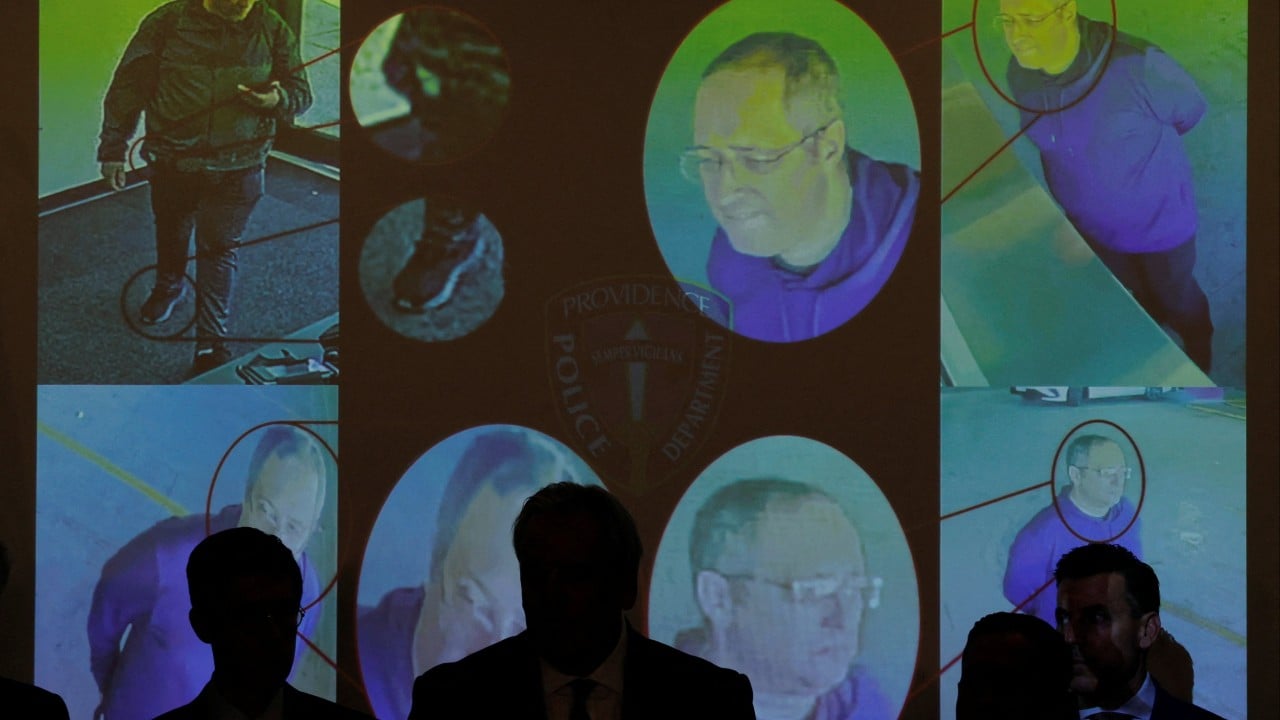
You’d think a guy planning a massacre for years would leave some kind of trail. He didn't. Valente was a "ghost" by design. He lived a transient lifestyle, worked briefly as a rideshare driver in Miami, and kept a circle of exactly zero friends or family who could’ve seen the warning signs.
The FBI’s Behavioral Analysis Unit says this isolation was key. Without peers or authority figures to provide a reality check, Valente’s paranoia grew unchecked. He built a narrative of grievance where he was the hero and everyone else was a villain.
- The Timeline: He started planning the Brown attack as early as 2022.
- The Logistics: He rented a storage unit in New Hampshire to stash his legally purchased guns years in advance.
- The Recordings: After the shootings, he recorded videos in Portuguese. He showed no remorse. He actually blamed the victims for their own deaths.
It’s easy to call him a monster and move on. But the reality is more uncomfortable. He was a man who experienced what the FBI calls a "failure to thrive." His inflated sense of self-importance clashed with his actual life achievements, and he couldn't handle the gap.
The Failure of the Safety Net
There's a lawsuit now. Three students injured in the attack are suing Brown University, claiming the school ignored warnings and had poor security. It’s a natural reaction to a tragedy—someone has to be held responsible. But the FBI report suggests that Valente’s greatest "strength" was his ability to stay invisible.
How do you stop someone who has no criminal record? He bought his guns legally in Florida. He had no prior contact with law enforcement. He wasn't on a watchlist. He was just a 48-year-old man living in his car or cheap rentals, stewing in a decades-old grudge.
If there’s a lesson here, it’s that social isolation is a public health crisis. Valente’s "symbolic" victims were people he didn't even know, chosen because they belonged to a world he felt rejected by.
What Actually Matters Now
The FBI is done with most of its investigation. They’ve combed through 11,000 files and 800 videos. They’re confident Valente acted alone and had no ties to organized terrorism. That doesn't make the families of the two students killed feel any better.
We have to stop looking for a "why" that makes sense to a sane person. For Valente, the motive was the violence itself. It was his final, desperate attempt to feel powerful after a lifetime of feeling like a failure.
If you’re on a campus or in a high-stress academic environment, look out for the "ghosts." The people who have completely detached. Most of them aren't dangerous, but the ones who are thrive in the silence we let grow around them. Don't wait for a formal report to tell you that someone is falling apart.
Check the FBI’s full report if you want the technical details, but the takeaway is clear. This wasn't about politics or religion. It was about a man who couldn't reconcile his ego with his reality, and he made the world pay for it.