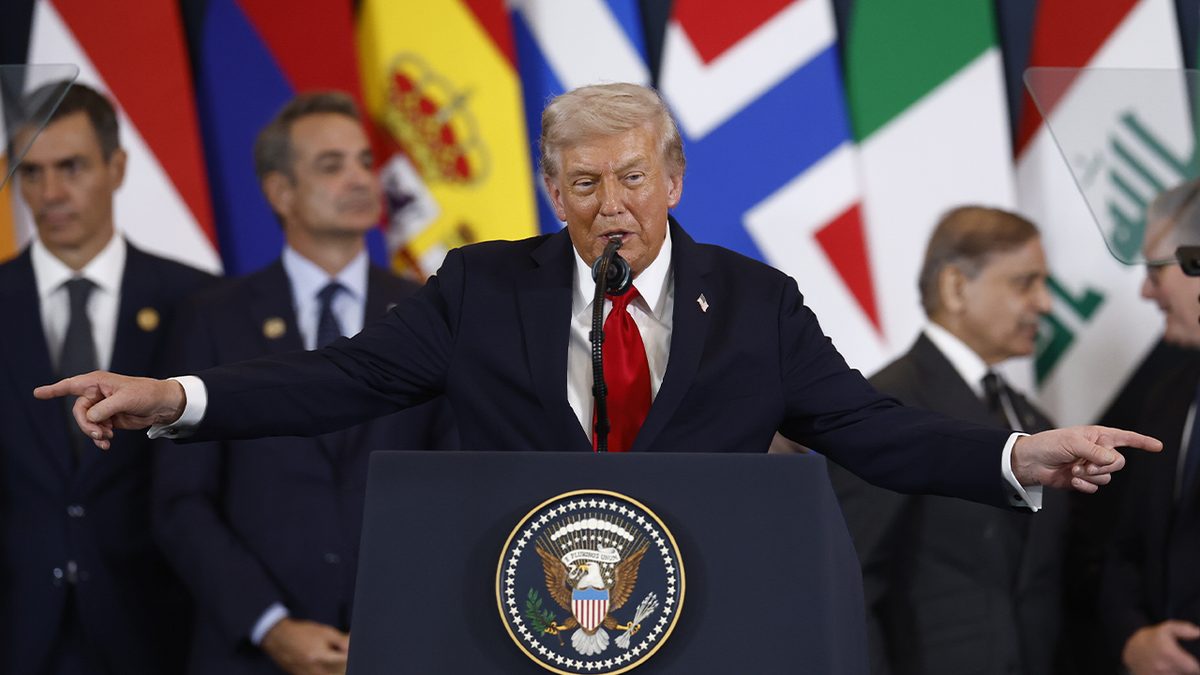
The headlines are screaming victory. The Trump administration has declared the Iran-Israel conflict "terminated" well ahead of its 60-day deadline. The markets are breathing a sigh of relief, oil prices are dipping, and the beltway pundits are busy patting themselves on the back for witnessing a diplomatic masterstroke.
They are all wrong.
To call this a "termination" is a fundamental misunderstanding of Middle Eastern power dynamics and a gross overestimation of what a signature on a piece of paper can actually achieve. We aren't looking at peace. We are looking at a tactical reset. By framing this as a finished job, the administration isn't solving the crisis; it’s merely hit the snooze button on a ticking bomb while the world watches the clock.
The Myth of the Hard Deadline
Diplomacy by stopwatch is a gimmick. When the administration set a 60-day window to end hostilities, they didn't create a framework for long-term stability. They created a theater production.
In my years analyzing regional security escalations, I’ve seen this pattern repeat: an outside power demands an immediate halt, the combatants realize they need to replenish their stocks anyway, and they agree to a "termination" that is actually a regrouping phase.
Israel hasn't dismantled the threat of Iranian-backed proxies. Iran hasn't abandoned its "ring of fire" strategy. They have simply agreed to stop the expensive, high-visibility kinetic exchanges because the political price of continuing—at this exact moment—outweighs the immediate benefit.
If you think a 60-day ultimatum changes the ideological DNA of the IRGC or the security imperatives of the Israeli cabinet, you haven't been paying attention.
Why the "Terminated" Label is Dangerous
Calling a war "terminated" creates a false sense of security that paralyzes proactive defense. When the White House declares the job done, the political capital for maintaining sanctions or keeping carrier strike groups in the Mediterranean evaporates.
- Information Vacuum: By declaring victory early, the administration risks ignoring the "shadow war" that will inevitably intensify. Cyberattacks, maritime sabotage, and targeted assassinations don't stop because a deadline was met.
- Economic Miscalculation: Markets are pricing in stability that doesn't exist. Investors are moving back into riskier assets under the assumption that the Strait of Hormuz is permanently "safe." This is how you get a supply chain shock that breaks the global economy when the second wave of hostilities begins.
- The Proxy Pivot: Tehran isn't going to retreat. They are going to shift resources. If they can't fire missiles directly from Iranian soil without triggering a U.S. response, they will simply double down on Hezbollah, the Houthis, and militias in Iraq. The war hasn't ended; it has just changed its return address.
The Logic of the Aggressor
Let’s look at the math. The cost of a single ballistic missile barrage is a rounding error compared to the damage it does to an adversary’s GDP and psychological state.
Iran knows that the U.S. is desperate for a "win" to justify an isolationist or "America First" foreign policy. By giving Trump this "termination" ahead of schedule, they have effectively bought themselves time. They’ve traded a temporary ceasefire for a reduction in maximum pressure.
On the other side, Israel is dealing with domestic fatigue. They take the win now, knowing full well they will be back in the cockpit within 18 months.
The Nuance the Media Missed
The "lazy consensus" says that Trump’s unpredictable nature scared both sides into submission. While there is some truth to the efficacy of the "Madman Theory," it fails to account for the internal pressures within Iran.
The Iranian economy is a tinderbox. They didn't stop because they were afraid of a tweet; they stopped because they were weeks away from a domestic uprising fueled by a collapsing Rial. This wasn't a diplomatic victory for Washington as much as it was a survival maneuver for the Mullahs. By calling it "terminated," the U.S. is effectively giving the Iranian regime the breathing room it needs to suppress its own people and rebuild its war chest.
Stop Asking if it’s Over
The most common question people ask is, "Is the Middle East finally stabilizing?"
That is the wrong question. It assumes stability is the natural state of the region. It isn't. The real question is, "Who is using this 'peace' more effectively?"
- Israel is using it to integrate more advanced missile defense and harden their northern border.
- Iran is using it to bypass sanctions through clandestine channels and move their nuclear enrichment facilities deeper underground.
- The U.S. is using it for a domestic PR victory.
Only one of those groups is being delusional.
The Actionable Truth
If you are a business leader or a geopolitical strategist, do not buy into the "terminated" narrative.
- Maintain Hedging: Keep your energy hedges in place. The current dip in oil is a buying opportunity, not a sign of permanent peace.
- Supply Chain Diversification: If your logistics rely on regional stability, continue moving away. The "termination" is a ceasefire with a fancy name.
- Ignore the Press Release: The real news isn't what the administration says about the war ending. The real news is what the IRGC is doing in Yemen while the world looks at the Israel-Lebanon border.
We are witnessing the "Peace of the Exhausted." It lasts only as long as it takes for the combatants to catch their breath.
The 60-day deadline was never about the war. It was about the election cycle and the 24-hour news loop. If you want to know when the war actually ends, stop looking at the White House and start looking at the centrifuges.
The mission isn't accomplished. The stage is just being reset for Act II.
Prepare accordingly.