The Durand Line has always been a scar on the map, but right now, it's a bleeding wound. If you’ve been following the headlines, you know the Pakistan Army just ramped up its kinetic operations under the banner of Operation Ghazab lil-Haq. This isn't just another border skirmish or a routine exchange of fire. We’re looking at a full-scale escalation where precision strikes are hitting deep into Afghan territory, specifically targeting the Chaman sector and Kunar province.
Islamabad isn't playing nice anymore. The military is hitting back against what it calls "unprovoked aggression" from the Afghan Taliban and its ideological cousin, the TTP (now officially labeled Fitna al-Khawarij by the Pakistani state). But while the rockets fly, the humanitarian cost is skyrocketing, and the Taliban is begging for a timeout that nobody seems ready to give.
The Reality of Operation Ghazab lil-Haq
Pakistan's latest offensive is a direct response to a surge in cross-border attacks that have made life in the frontier regions a nightmare. In the Chaman sector, the Army reportedly wiped out several Taliban posts and vehicles. They’re using high-end precision tech to minimize their own risks while maximizing the pressure on the other side.
In the Khyber district, the ISPR confirmed the deaths of 22 militants from the Khawarij faction. But war is never clean. A 10-year-old child was caught in the crossfire and killed, a tragedy that both sides are already using to fuel their propaganda machines. Pakistan claims the militants opened fire indiscriminately; the Taliban says it's the result of Pakistani shelling.
The strategy here is clear: Pakistan wants to create a buffer zone and force the Taliban to finally deal with the TTP. For years, Islamabad has complained that the Taliban offers a "safe haven" to fighters who cross the border, kill Pakistani soldiers, and then retreat into the Afghan mountains. By launching strikes like the 200 missiles reported in Kunar province, Pakistan is sending a message that the border is no longer a shield.
Why the Taliban Is Calling for a Ceasefire
The Taliban’s tone has shifted from defiant to desperate. Senior official Abdul Wasi has been seen meeting with international envoys—including the UK's Richard Lindsay—urging for an end to the "unjustified" strikes. Why the sudden plea for peace?
It’s not just about the military pressure. Afghanistan is broke and broken.
- Civilian Displacement: Since February 2026, over 100,000 people have fled their homes.
- Infrastructure Collapse: Reports from TOLO News and OCHA suggest that Pakistani strikes have hit schools, health clinics, and even a drug rehab center in Asadabad.
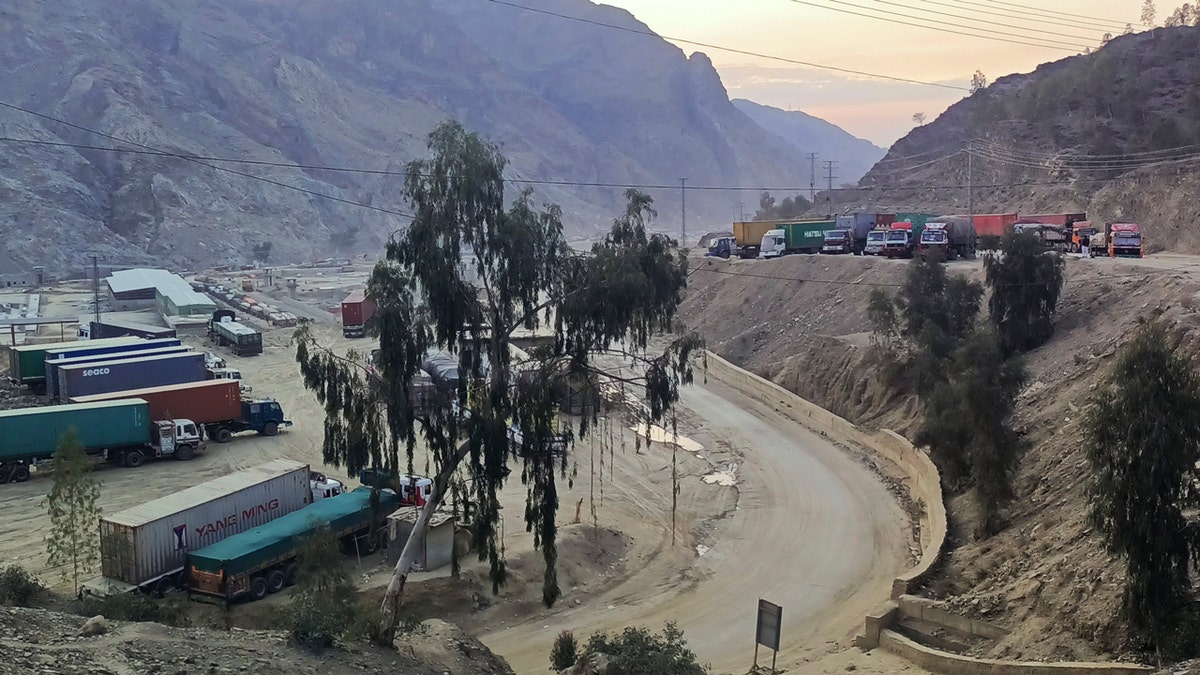
- Economic Paralysis: Every time the Chaman or Torkham borders shut down, trade stops. For a country already facing a massive food crisis, these closures are a death sentence.
The Taliban keeps repeating the same line: "Afghan soil will not be used against any country." But Pakistan doesn't believe them. The trust is gone. When you see the Afghan Foreign Ministry summoning the Pakistani Charge d’Affaires in Kabul to issue a "formal protest," it’s mostly for show. The real talk is happening through the roar of artillery.
The TTP Problem That Won't Go Away
You can't talk about this conflict without talking about the TTP. They’re the elephant in the room. Pakistan claims there are over 6,000 TTP fighters living comfortably in Afghanistan. The Taliban denies this, but the evidence on the ground says otherwise.
The TTP and the Afghan Taliban share the same DNA. They fought the Americans together for twenty years. For the Taliban to suddenly hand over their brothers-in-arms to Pakistan would be seen as a massive betrayal within their own ranks. It could even lead to a defection of hardliners to groups like ISIS-K.
So, the Taliban is stuck. They can’t—or won’t—kick the TTP out, and Pakistan won't stop the bombing until they do. It's a classic Mexican standoff, except both sides are already pulling the trigger.
The Humanitarian Crisis Nobody Is Watching
While the world is distracted by other global conflicts, the people living along the Durand Line are suffering. OCHA has warned that 19 health facilities in the region are either closed or barely functioning. Imagine being one of the 78,000 people who now have zero access to a doctor because the local clinic was collateral damage in a missile strike.
It's not just about the bombs. It's about the "hidden" war. Food insecurity is hitting 160,000 people in the border provinces. Water systems have been blown up in at least six villages. When we talk about "precision strikes," we often forget that precision doesn't mean perfection.
What Happens Next
Don't expect a quick resolution. The March ceasefire was paper-thin and it's completely evaporated now. Pakistan has made it clear that Operation Ghazab lil-Haq will continue until its "objectives" are met. Translation: they want the TTP neutralized or expelled.
The Taliban is trying to use diplomacy to buy time, but their leverage is weak. They need the border open for trade more than Pakistan does.
If you’re watching this situation, keep an eye on these three things:
- The Chaman Border: This is the barometer for the entire relationship. If it stays closed, expect the fighting to get worse.
- Internal Pakistani Politics: The military is under immense pressure to show results at home. They can’t afford to look weak on the border.
- Third-Party Mediators: China and Qatar have tried to step in before. If they can’t get both sides to the table soon, this "border clash" might officially become the 2026 Afghanistan-Pakistan War.
The time for empty statements is over. If the Taliban wants the strikes to stop, they have to prove they can control their own territory. If Pakistan wants security, they have to realize that you can’t bomb a country into being a good neighbor.
Stay updated by following local independent reporters on the ground, as official state media from both sides is currently a maze of half-truths and tactical omissions. Reach out to humanitarian groups like OCHA if you want to support those caught in the crossfire. The situation is moving fast, and the next 48 hours will likely determine if this remains a localized conflict or turns into something much bigger.