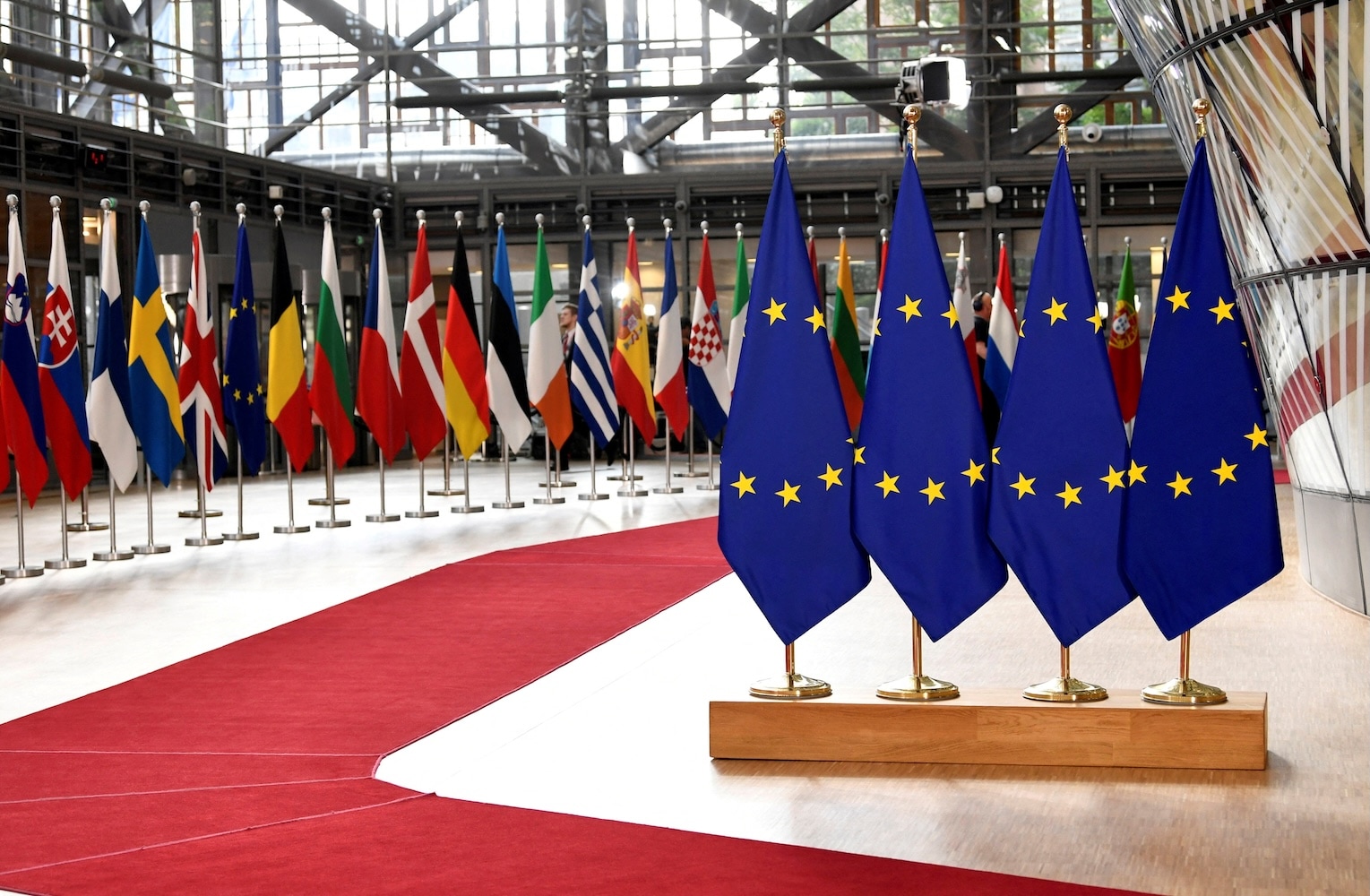
European Union leaders arrived in Brussels this Thursday with a collective sense of betrayal that has moved past the usual diplomatic grumbling into the territory of open hostility. At the center of the storm is Hungarian Prime Minister Viktor Orban, who has effectively taken a €90 billion lifeline for Ukraine hostage. While the official narrative centers on a damaged oil pipeline, the subtext is a desperate political survival strategy as Hungary approaches a high-stakes general election on April 12.
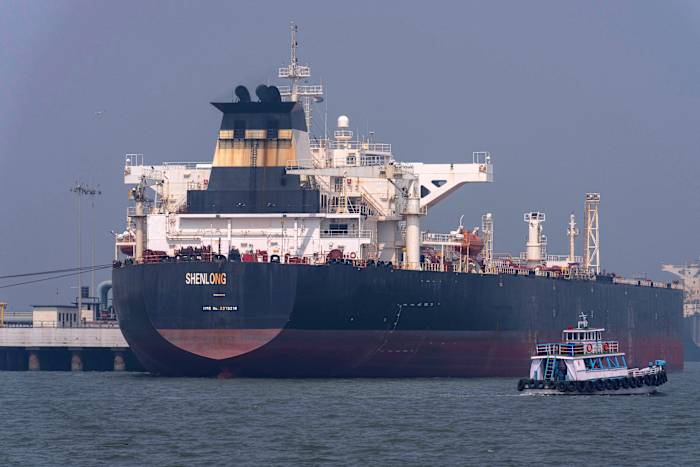
The €90 billion loan, intended to sustain Ukraine’s military and crippled economy for the next two years, was supposed to be a settled matter. In December, all 27 member states, including Hungary, agreed to the package. Orban even secured a specific opt-out, ensuring Budapest wouldn’t have to contribute a cent to the financing. Now, he has reneged on that deal, leveraging his veto power to demand the immediate restoration of Russian crude oil flows through the Druzhba pipeline, which have been offline since January following drone strikes. Don't miss our previous coverage on this related article.
The Druzhba Pretext
Orban’s ultimatum is simple and brutal: "If there is no oil, there is no money." He blames Kyiv for the disruption of the Soviet-era "Friendship" (Druzhba) pipeline, suggesting President Volodymyr Zelenskyy is intentionally starving Hungary of energy. Ukraine, conversely, points to the reality of the ongoing war, stating that Russian strikes are the sole reason for the infrastructure failure.
To bridge this gap, the European Commission took the extraordinary step of offering to pay for the repairs themselves. Ursula von der Leyen and European Council President António Costa have put EU technical teams on standby to enter Ukraine and fix the link. Zelenskyy has publicly signaled his cooperation, yet Orban remains unmoved. This refusal to accept a technical solution exposes the oil crisis as a convenient shield for a much larger game of domestic theater. If you want more about the history of this, USA Today provides an excellent breakdown.
Election Fever and the Existential Threat Narrative
The timing of this blockade is not a coincidence. Orban is currently trailing in opinion polls behind his rival, Péter Magyar of the Tisza party—a shift that would have been unthinkable two years ago. To claw back support, Orban has leaned heavily into a "peace versus war" campaign. He has spent the last month framing Zelenskyy and the "Brussels bureaucrats" as provocateurs trying to drag Hungary into a direct conflict with Russia.
By vetoing the Ukraine loan, Orban presents himself to his domestic base as the lone defender of Hungarian security and energy prices. It is a classic strongman play: create a crisis, identify an external enemy, and then position yourself as the only person capable of holding the line. Finnish Prime Minister Petteri Orpo was blunt in his assessment, stating that Orban is "using Ukraine as a weapon" for his own campaign. The human cost of a bankrupt Ukrainian state appears to be a secondary concern for the Fidesz leadership.
The Limits of Consensus
This standoff has reignited a long-standing debate about the EU’s core mechanics. The requirement for unanimity on major financial and foreign policy decisions has turned the bloc into a target for what many leaders are now calling "blackmail."
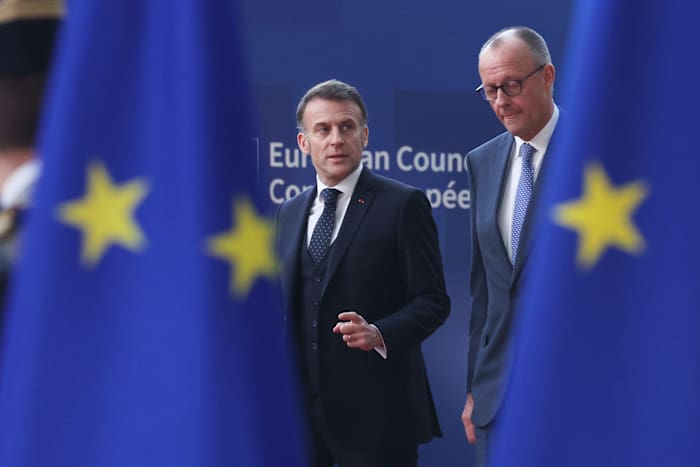
Germany’s Chancellor Friedrich Merz and other heavyweights are increasingly vocal about the fact that 450 million Europeans are being held to ransom by a leader representing a nation of 10 million. The frustration is palpable because this isn't just a delay; it's a breach of "loyalty and reliability," the foundational principles of the Union. When a leader agrees to a deal in December and kills it in March, the very concept of an EU agreement begins to lose its meaning.
Several paths are currently being discussed behind closed doors to bypass Budapest:
- Intergovernmental Agreements: Member states could bypass the EU budget entirely, setting up a series of bilateral loans to Kyiv. This is legally messy and slow.
- Voluntary Contributions: Shifting the European Peace Fund to a voluntary model where Hungary simply doesn't participate, though this risks the long-term stability of the fund.
- Article 7 Escalation: The "nuclear option" of suspending Hungary’s voting rights remains on the table, though it requires a level of political will that has historically been lacking.
A Turning Point for European Security
Ukraine’s economic situation is reaching a breaking point. Officials in Kyiv and Brussels warn that at least a portion of the €90 billion must be disbursed by early May to prevent a total budgetary collapse. The military implications are equally severe. Without this funding, the procurement of ammunition and air defense systems will stall at a time when Russian forces are intensifying their spring offensive.
The irony of the situation is not lost on the diplomats in Brussels. The EU is currently offering to fund the repair of a pipeline that carries Russian oil—the very commodity they are supposedly phasing out—just to satisfy a leader who is blocking aid to the country Russia is invading. It is a logic-defying compromise born of desperation.
If Orban does not blink before the April elections, he will have forced the EU into a permanent structural shift. The era of "27 as one" may effectively be over, replaced by a "coalition of the willing" that leaves the dissenters in the cold. But for now, the focus remains on the immediate: finding the cash to keep Ukraine’s lights on and its guns firing, while Orban waits for his poll numbers to move.
Would you like me to analyze the specific legal mechanisms the EU might use to invoke Article 7 against Hungary?